
Switzerland by Rail: A Journey Through Mountains, Lakes and Alpine Landscapes
There are few countries as closely associated with rail travel as Switzerland. Panoramic trains cross mountain passes, skirt impossibly blue lakes, climb towards glaciers and connect cities and alpine villages with a network that makes travelling by rail part of the holiday itself.
I had wanted to experience Switzerland’s scenic trains for some time and, after finishing a Mediterranean cruise in June 2026, I finally had the opportunity.
This was not, however, going to be a leisurely two-week exploration.
I deliberately designed the itinerary to experience as many of Switzerland’s major panoramic rail journeys as I reasonably could in a little over a week. As a travel advisor, I wanted to understand how the different trains compared, what the journeys were actually like and some of the practicalities that aren’t always obvious when you’re looking at beautiful photographs in a brochure.
Our route took us through Lucerne, Interlaken, Montreux, Zermatt, Chur, Tirano in northern Italy, Lugano and back towards Lucerne before finishing in Zurich.
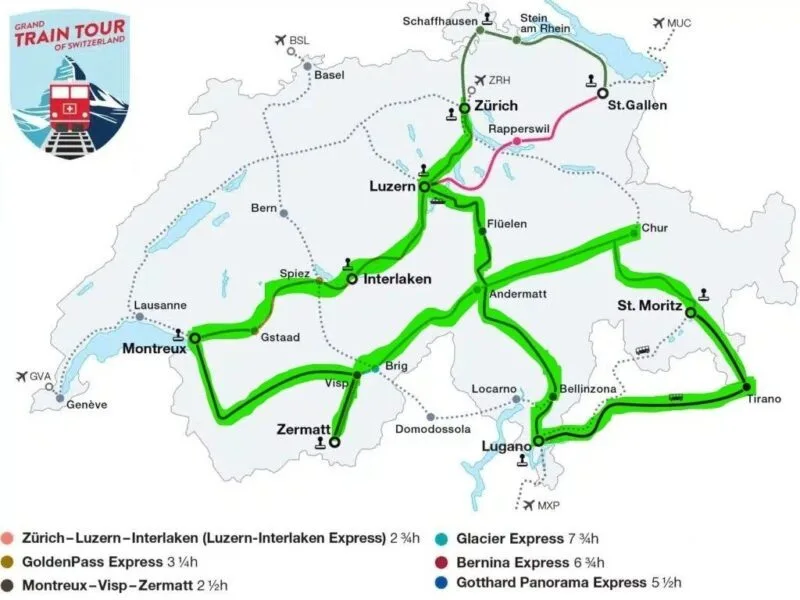
Along the way we travelled on the Luzern–Interlaken Express, GoldenPass Express, Gornergrat Cog Railway, Glacier Express, Bernina Express and Gotthard Panorama Express, together with a steamboat journey across Lake Lucerne.
There were spectacular landscapes, wonderful discoveries and experiences I would happily repeat tomorrow.
There were also suitcases to manoeuvre through stations, onto trains, between platforms and along unfamiliar streets.
And by the end of the week I had learnt almost as much about how I would plan a future Swiss rail holiday as I had about the trains themselves.
Travelling with a Swiss Travel Pass
One of the most useful purchases we made before leaving Australia was a Swiss Travel Pass.
For an itinerary involving this much rail travel, it simplified things considerably. Rather than buying another ticket every time we boarded an ordinary train, bus, boat or local public transport service, we could generally travel using the Pass. Even our final train from Zurich to the airport was covered.
It also provided discounts on some mountain railways and excursions. When we travelled, our Gornergrat cog railway journey received a 50 per cent discount.
There is, however, an important distinction to understand.
A Swiss Travel Pass may cover the journey, but that doesn’t mean your seat on a panoramic train is automatically reserved.
Several of Switzerland’s premium panoramic services require a separate seat reservation and, in some cases, an additional supplement. If your itinerary depends on travelling on a particular train on a particular day, I would reserve those journeys as early as possible.
The class of travel matters too, so make sure your Pass and reservations match.
The Pass made our journey much easier, but it didn’t remove the need to plan the special rail experiences separately.
Lucerne, Interlaken & the GoldenPass Express
Our Swiss rail journey began almost as soon as we landed at Zurich Airport.
As first-time users of the Swiss rail system, we were still finding our feet. We weren’t quite sure how long the airport train into Zurich would take and, with an onward connection to Lucerne, spent much of that first sector standing near the doors with our luggage so we would be ready to get off.
In hindsight, there was no need to worry quite so much.
The connection went smoothly, and before long we were on our way to Lucerne.
I had deliberately chosen the Hotel Schweizerhof Luzern as it was directly opposite Lucerne railway station. After travelling all the way from Australia, being able to walk straight across the road with our luggage was exactly the convenience I had hoped for.
The hotel itself was excellent: modern while still retaining much of its history, with friendly staff and a very comfortable room.
Lucerne also delivered our first introduction to Swiss restaurant prices. After walking across the bridge into the centre, checking several menus and deciding everywhere seemed expensive, we eventually completed a full circle and returned to the hotel restaurant.
It turned out to be an excellent meal.
The following morning we boarded the Luzern–Interlaken Express, our first dedicated scenic rail journey.
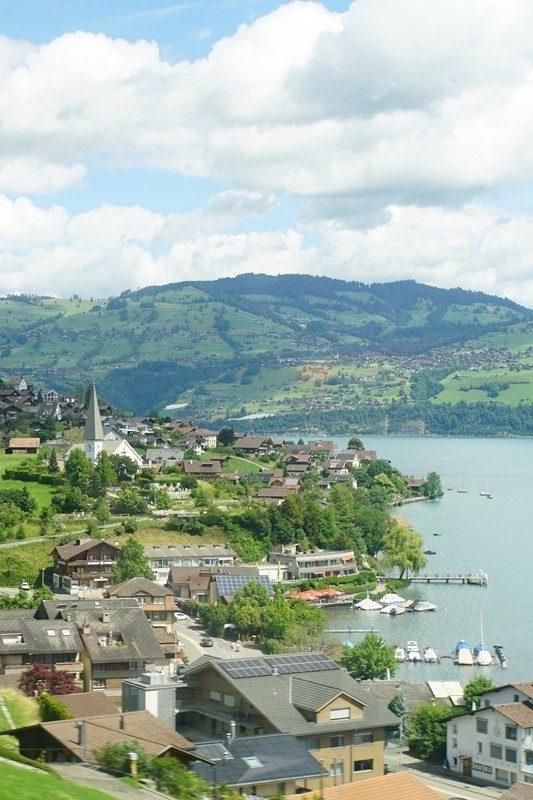
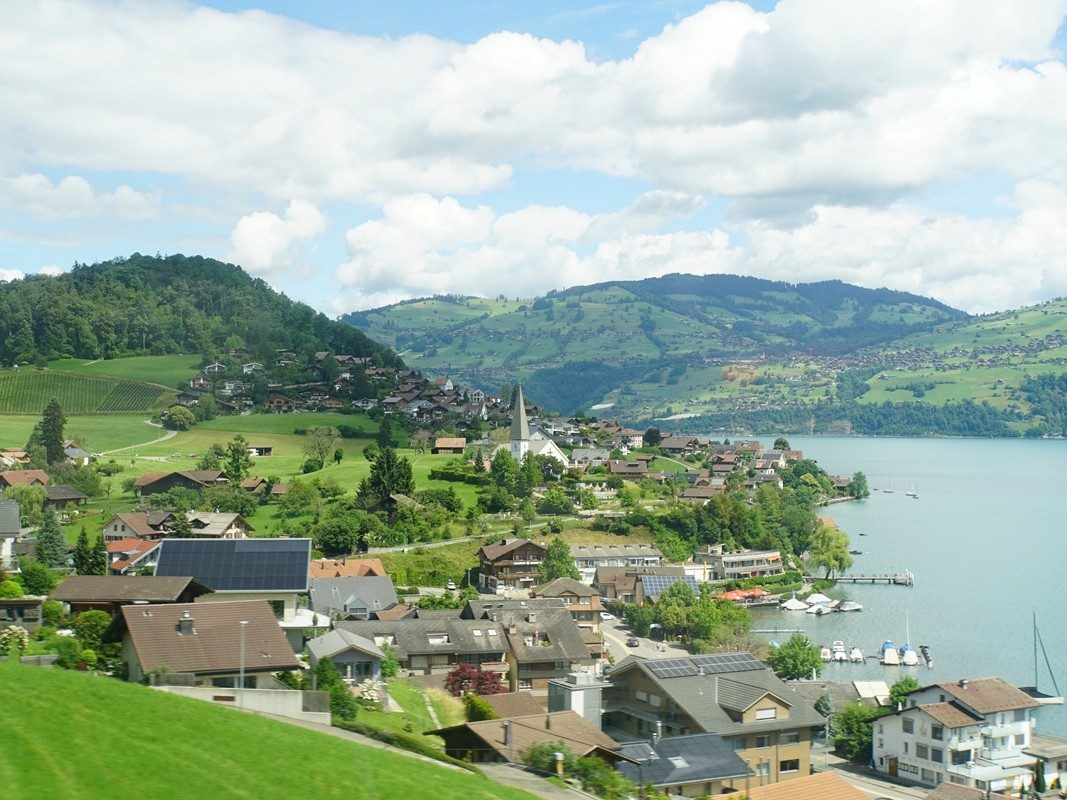
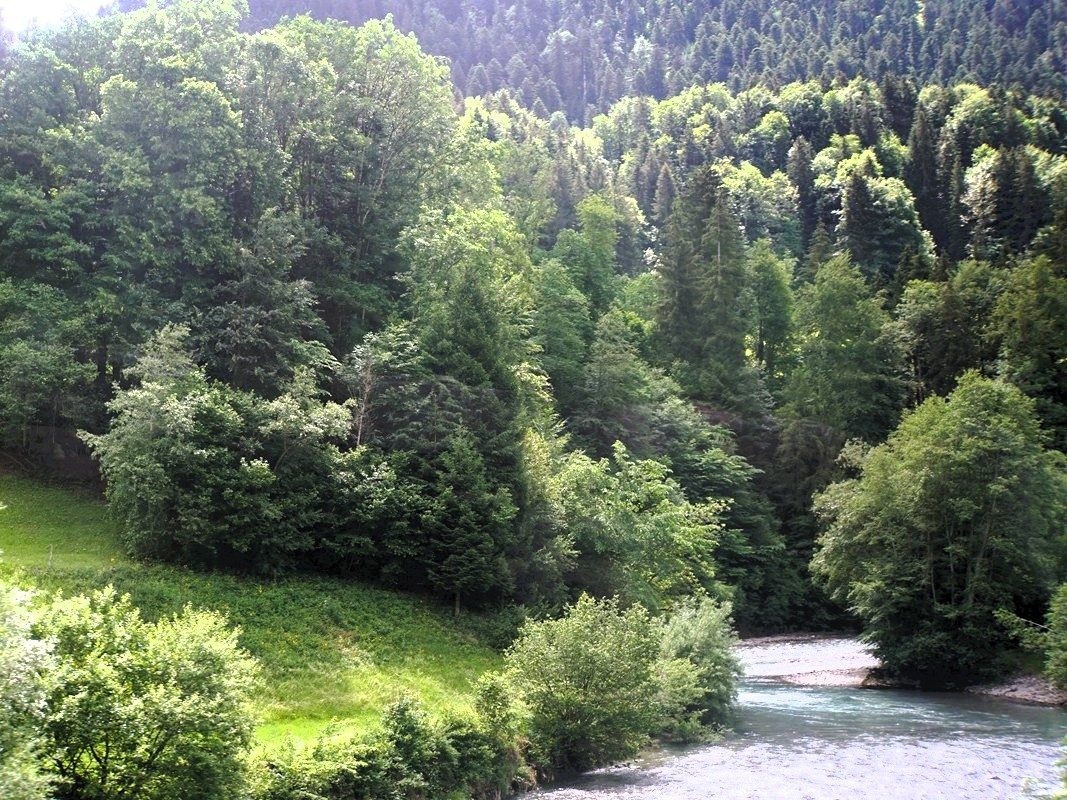
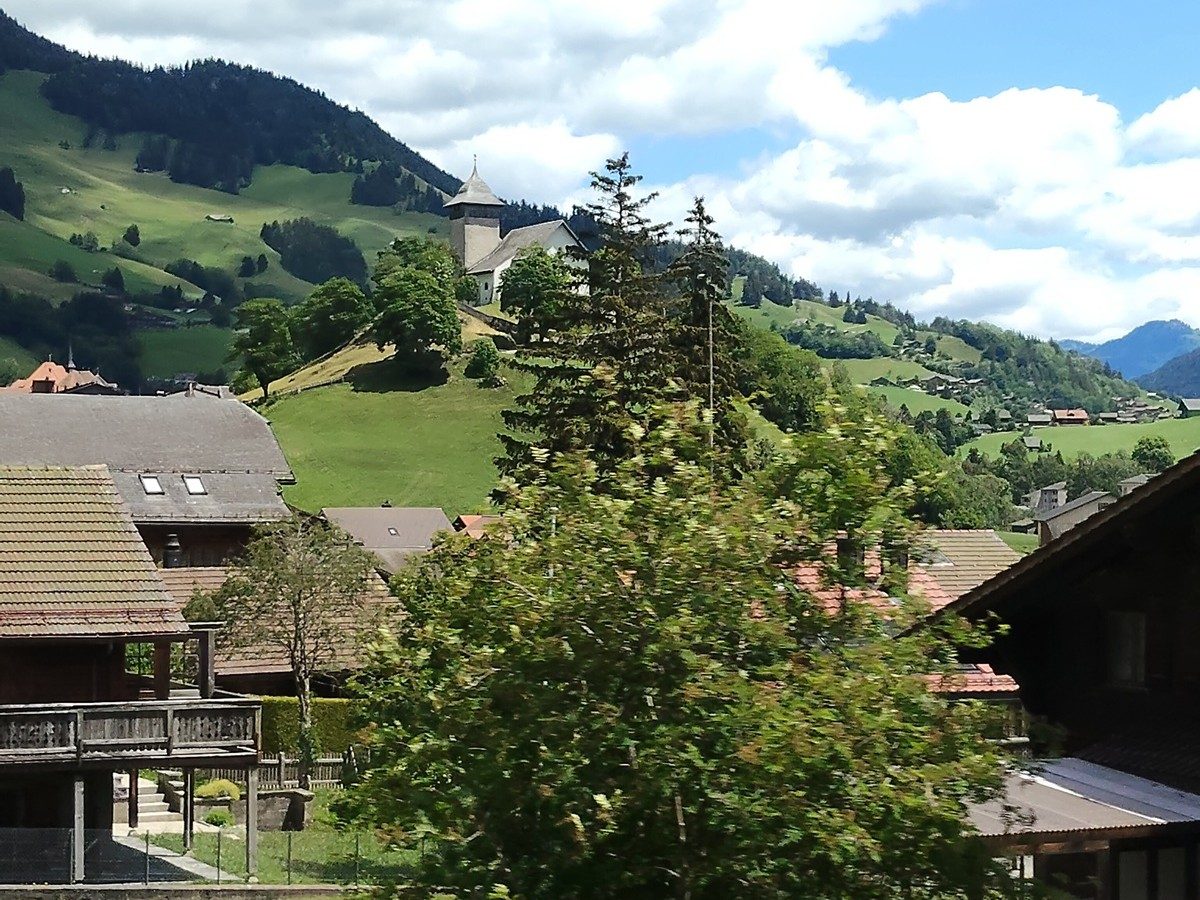
It was a lovely introduction to rail travel in Switzerland. The landscape moved between green countryside, lakes, mountain villages and increasingly dramatic peaks as the train climbed across the Brünig Pass.
The scenery wasn’t relentlessly spectacular, and I think that was part of its appeal. After the long journey from Australia, it gave us time to simply sit back and watch Switzerland pass the window.
Then came Interlaken.
I had understood our GoldenPass Express connection would leave from the platform opposite the one we arrived on. It didn’t.
Suddenly we were hauling our suitcases down from one platform, along the connecting walkway and up to another, fighting against the flow of passengers heading in the opposite direction.
We made the train, but only just.
It was our first real lesson that travelling Switzerland by rail is wonderfully efficient, but travelling Switzerland by rail with suitcases adds another dimension.
Once onboard the GoldenPass Express, the stress quickly disappeared. Mountains, valleys and lakes rolled past the windows, and this was the one scenic journey where we ordered food and wine onboard.
A sandwich, a glass of wine and Switzerland passing the window was a very pleasant way to recover from our Interlaken dash.
Montreux & Zermatt
Montreux was another reminder that a hotel appearing close to a railway station on a map doesn’t always tell the whole story.
Different street levels made the route less obvious than expected, but reliable mobile data and discovering a lift connecting the upper and lower streets saved us from a much more strenuous arrival.
Then we opened the door to our room.
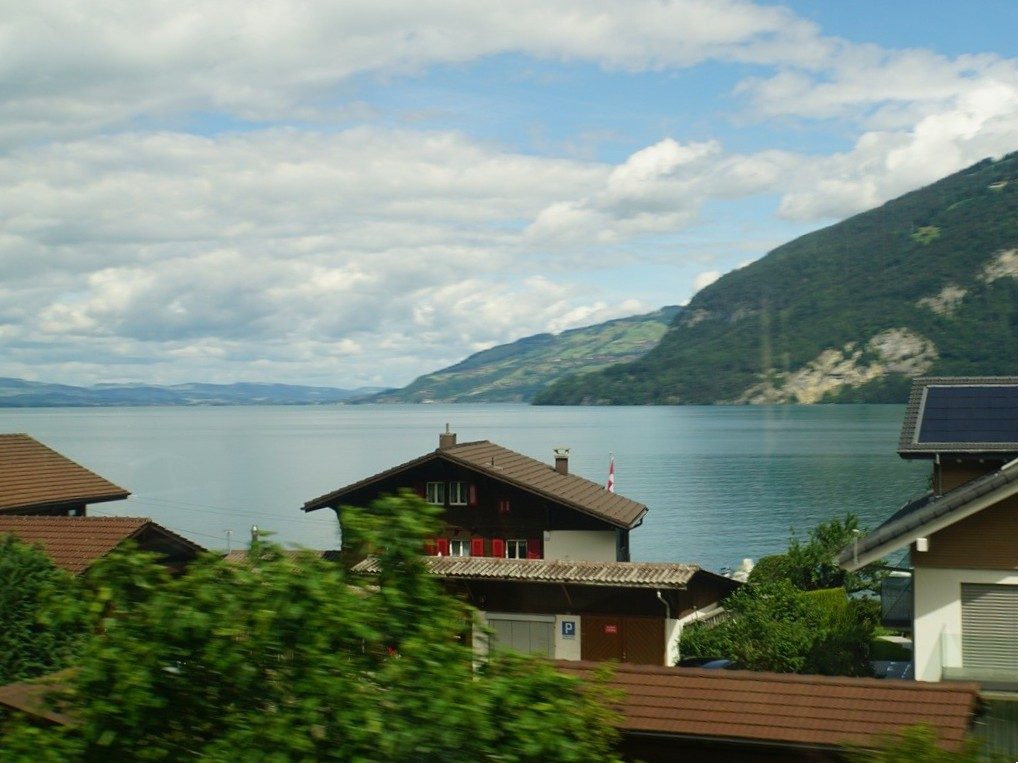
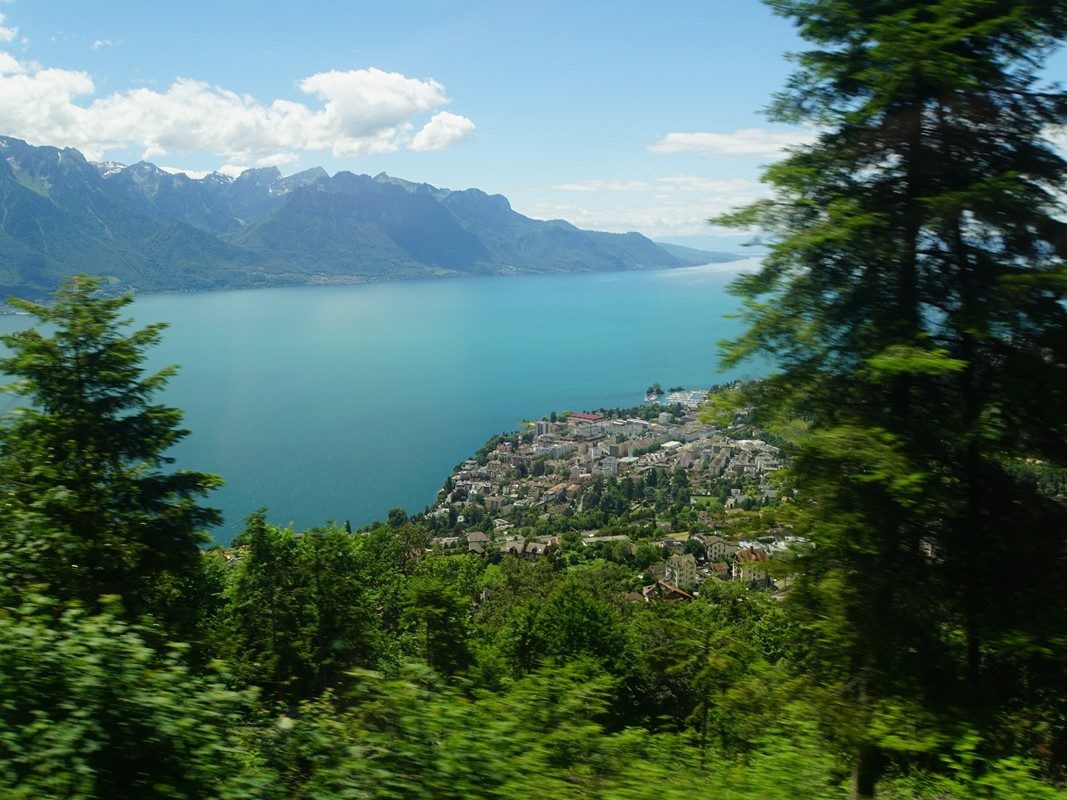
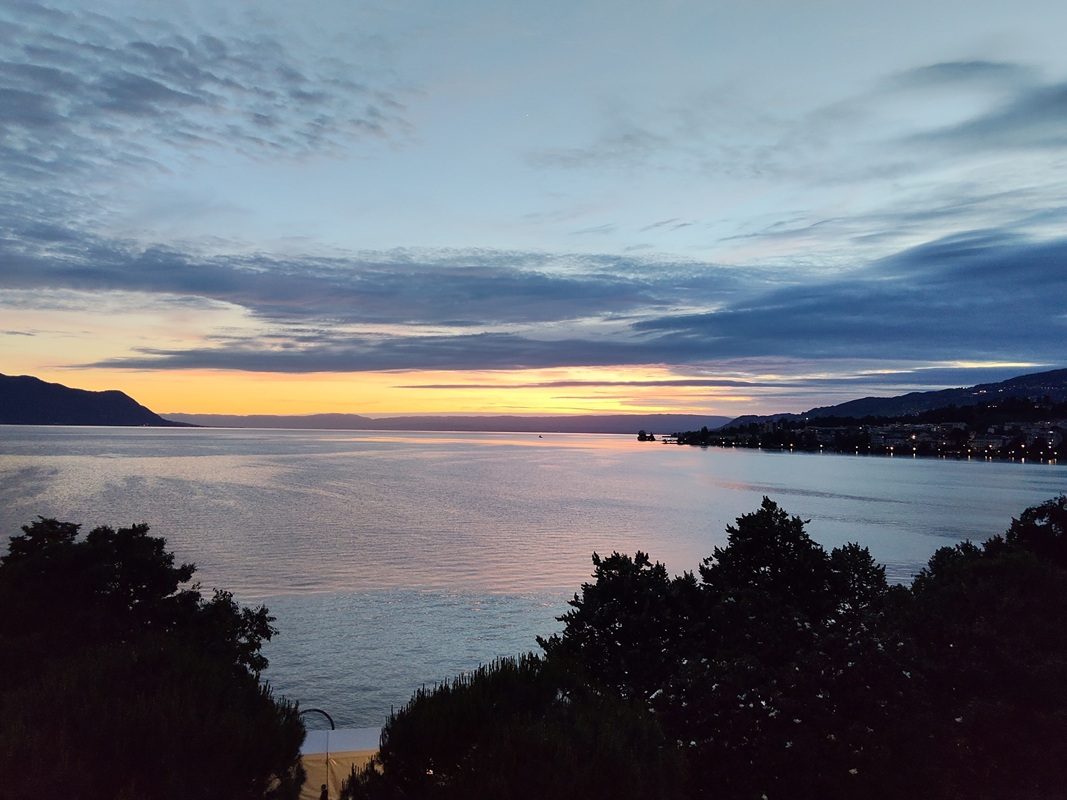
A French balcony overlooked Lac Léman, and the view was superb.
We stayed only one night, which in hindsight wasn’t enough. Montreux had a relaxed atmosphere that made us want to stop rather than immediately think about the next train.
But the following morning we were moving again.
We were heading to Zermatt, where I had booked an afternoon journey on the Gornergrat Railway.
Fortunately, our hotel allowed us into our room as soon as we arrived. Being able to drop the luggage before heading back out made an enormous difference.
We also discovered something else that would become increasingly useful as the week continued.
Coop supermarkets.
Lunch in hand, we headed for Gornergrat.
Gornergrat and the Matterhorn
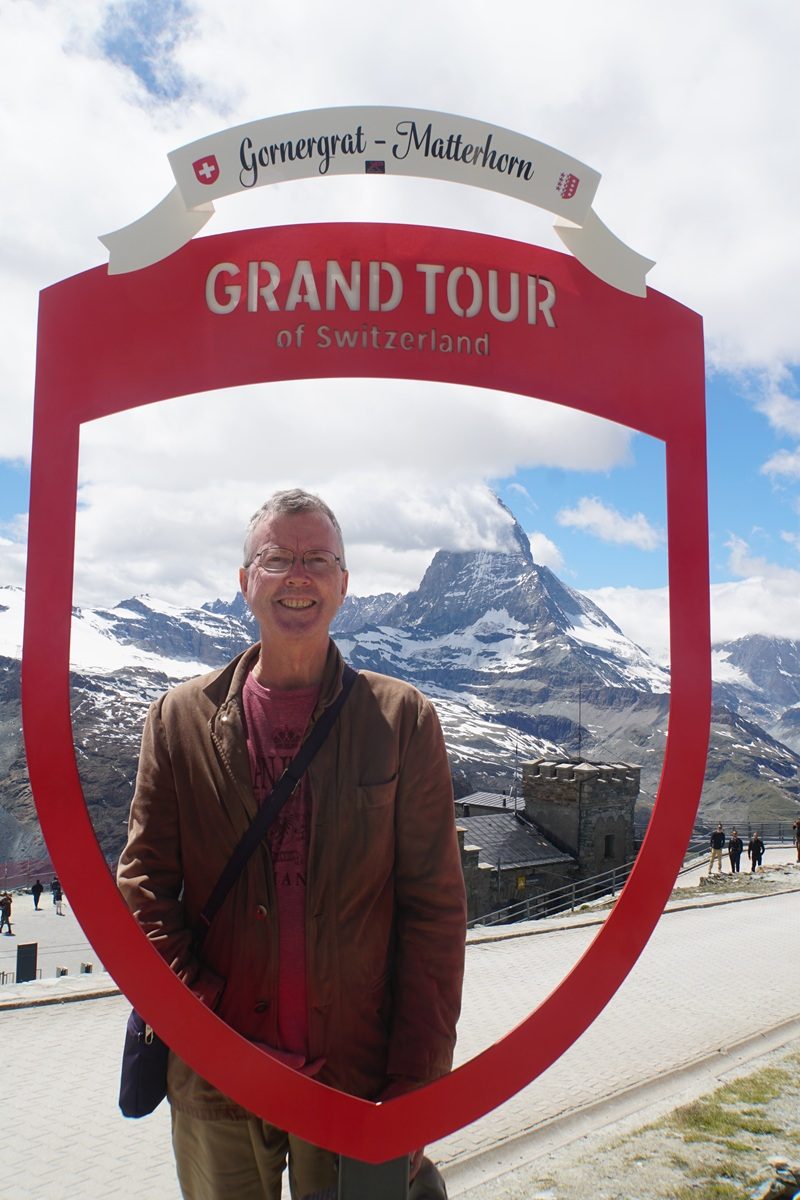
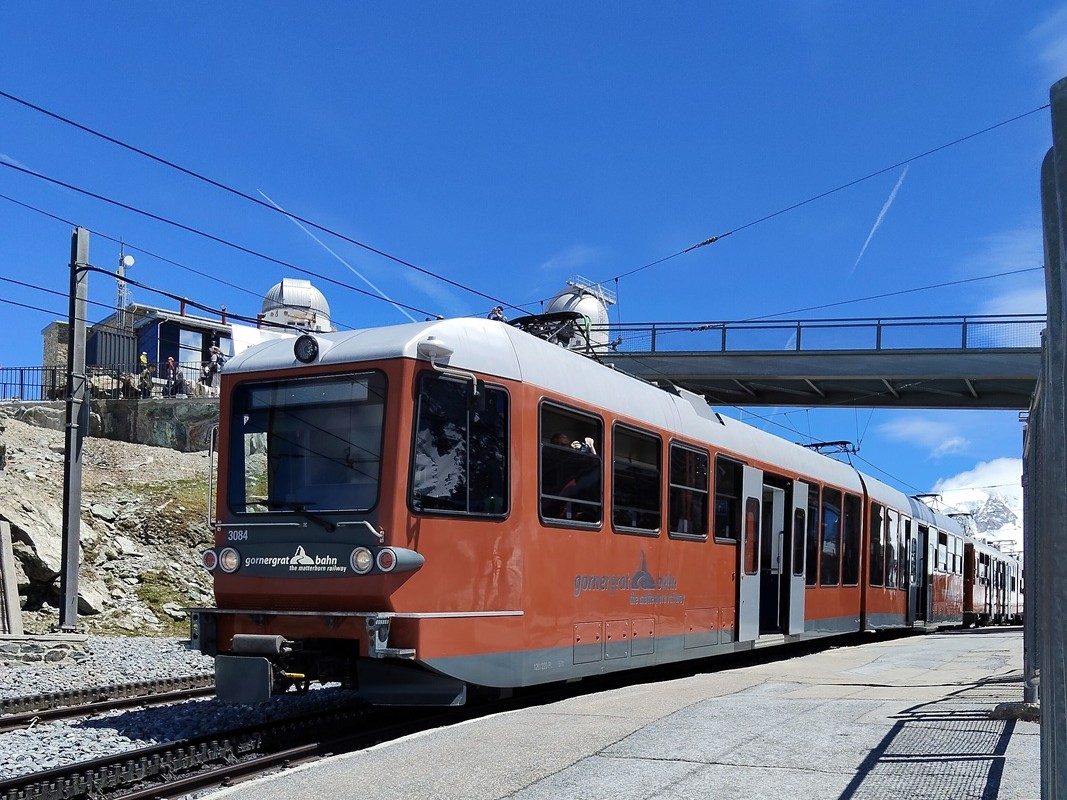
The cog railway journey above Zermatt was one of the great experiences of the trip.
As we climbed higher, the Matterhorn repeatedly appeared through the windows, creating one photo opportunity after another.
With only the afternoon available, we chose not to stop at the intermediate stations and continued towards the top.
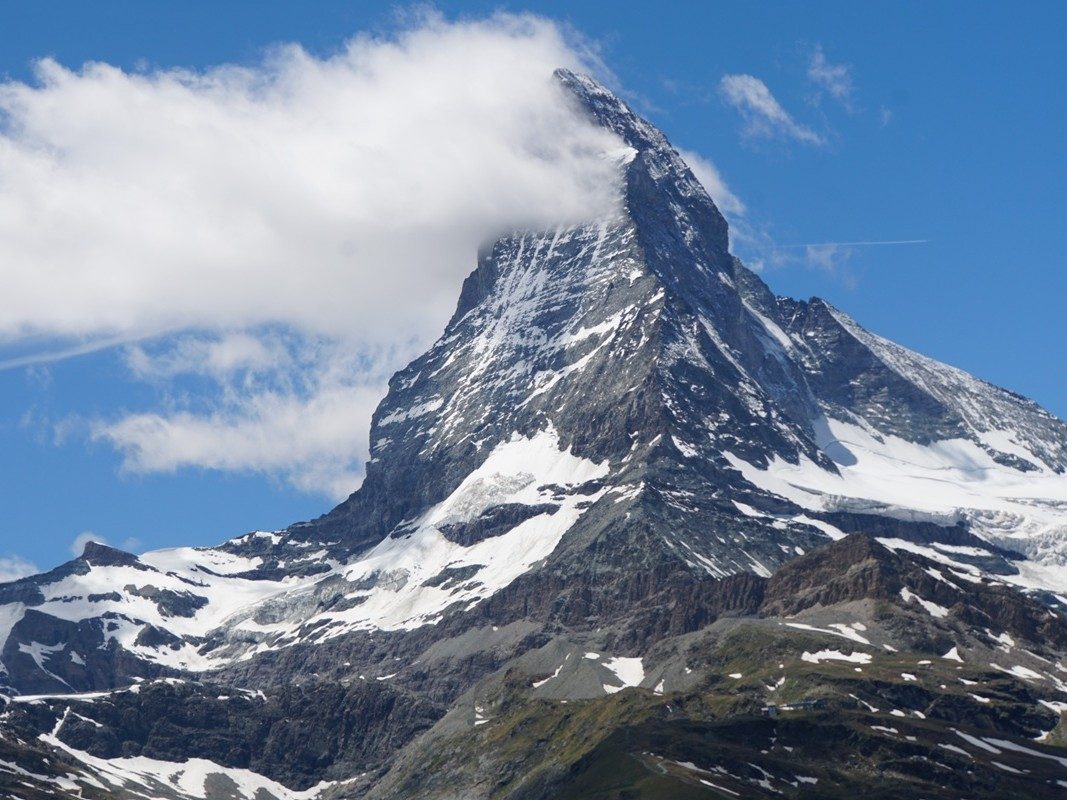
At more than 3,000 metres above sea level, Gornergrat delivered everything I had hoped for: glaciers, rugged peaks and the Matterhorn dominating the landscape.
Well, almost.
For most of our visit, a stubborn band of cloud seemed determined to sit just below the Matterhorn’s summit.
We kept waiting for it to move.
It never really did.
It hardly mattered. The views were extraordinary.
One of the biggest surprises was Zooom, an immersive experience at Gornergrat that presents the Matterhorn through different seasons, perspectives and even glimpses of alpine wildlife.
I hadn’t expected it to affect me as much as it did.
Having just stood outside looking at the Matterhorn ourselves, seeing the mountain interpreted through changing seasons, night scenes and wildlife added another dimension to the experience.
It would be easy to visit Gornergrat, concentrate entirely on the views outside and overlook Zooom.
I wouldn’t.
Back in Zermatt that evening, we had another very different Matterhorn experience.
After dinner we wandered through town and found ourselves in a square with a clear view towards the mountain. The light was fading, there were hints of pink in the sky and the Matterhorn looked completely different from the way we had seen it earlier.
It was one of the simplest moments of the trip and one of the most memorable.
The Glacier Express
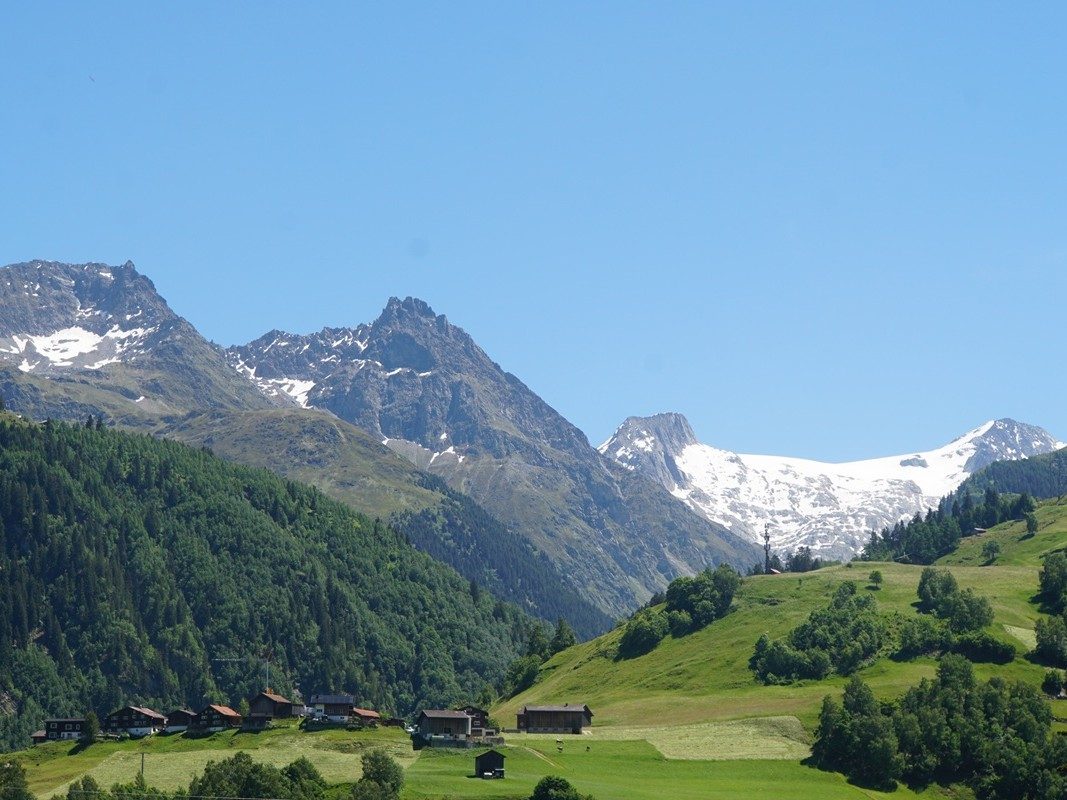
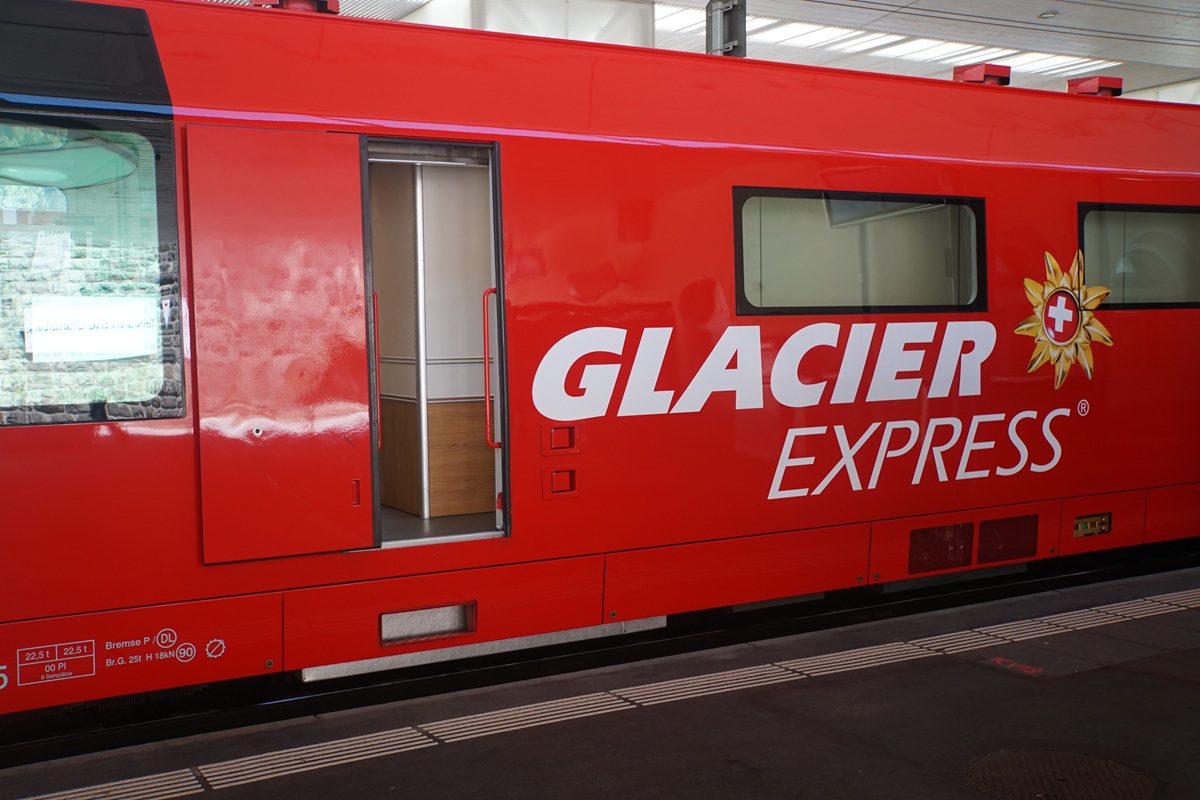
The following morning we boarded perhaps Switzerland’s most famous panoramic train, the Glacier Express.
Its large windows provide magnificent views, but they also taught us a few practical lessons.
First, panoramic windows and photography don’t always work perfectly together. Reflections can make capturing a clean photograph frustrating.
We discovered that the vestibules at the ends of the carriage had windows that could be lowered, which made photography much easier. Of course, several other passengers discovered exactly the same thing.
The other surprise was the sun.
When it streamed through those panoramic windows for long periods, the carriage could feel remarkably warm. Sunglasses and a hat proved much more useful than I had expected on a train.
We also should have bought a more substantial lunch before boarding.
The onboard food choices didn’t particularly appeal to us, so we ended up working our way through leftover snacks until arriving in Chur at around 3pm.
Lesson learnt.
Before a long rail journey, a quick supermarket stop can be very worthwhile.
Why we left the Glacier Express at Chur
I had deliberately chosen to leave the Glacier Express at Chur rather than travel all the way to St Moritz.
During my planning, I was trying to experience as much of Switzerland’s panoramic rail scenery as possible within the time available. My research suggested that taking the Bernina Express from Chur through to Tirano would give us a particularly varied concentration of scenery.
Having travelled it, I think that was the right decision.
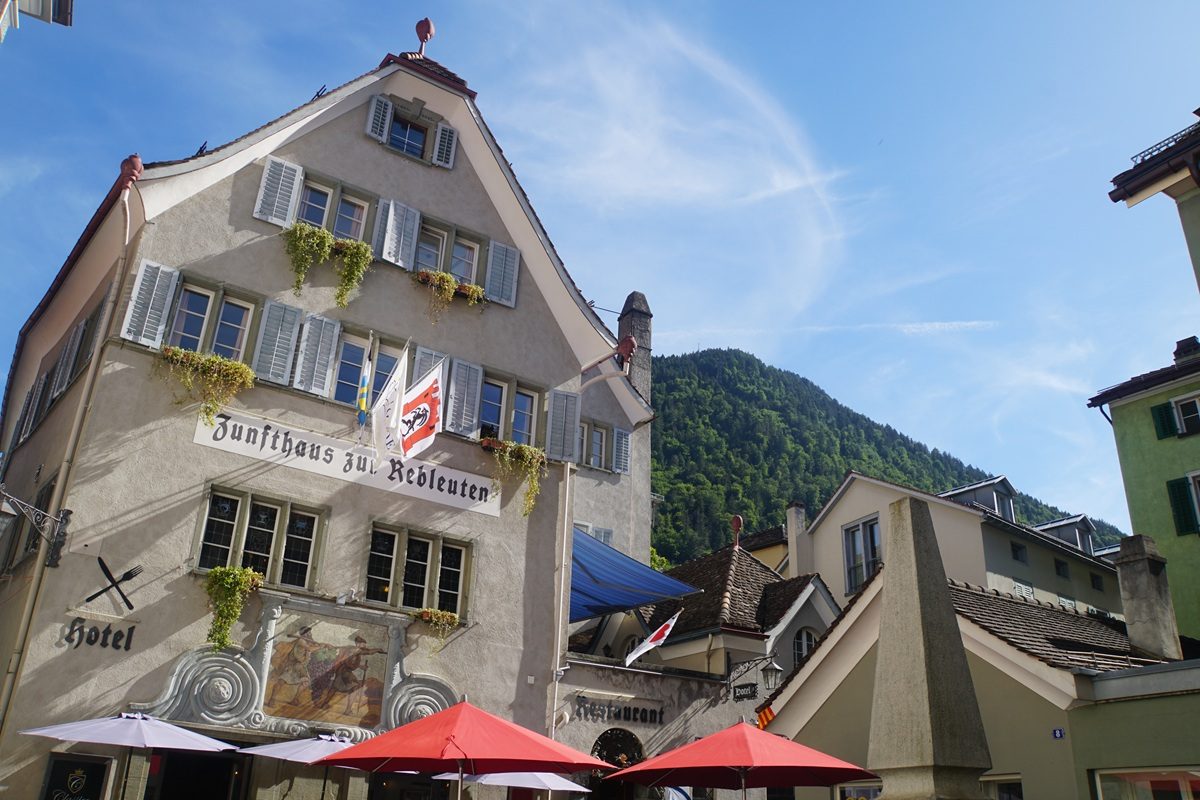
Chur itself also reinforced another practical lesson.
Our hotel looked quite close to the station.
Google Maps didn’t mention the gradual uphill walk, our suitcases or the parade blocking the road we needed to cross.
By the time we eventually found the hotel entrance down a narrow alleyway, I was beginning to rethink my determination to walk everywhere.
Sometimes a short taxi ride is money very well spent.
My favourite: the Bernina Express
The following morning started with a small victory.
The hotel had oat milk.
Yippee!
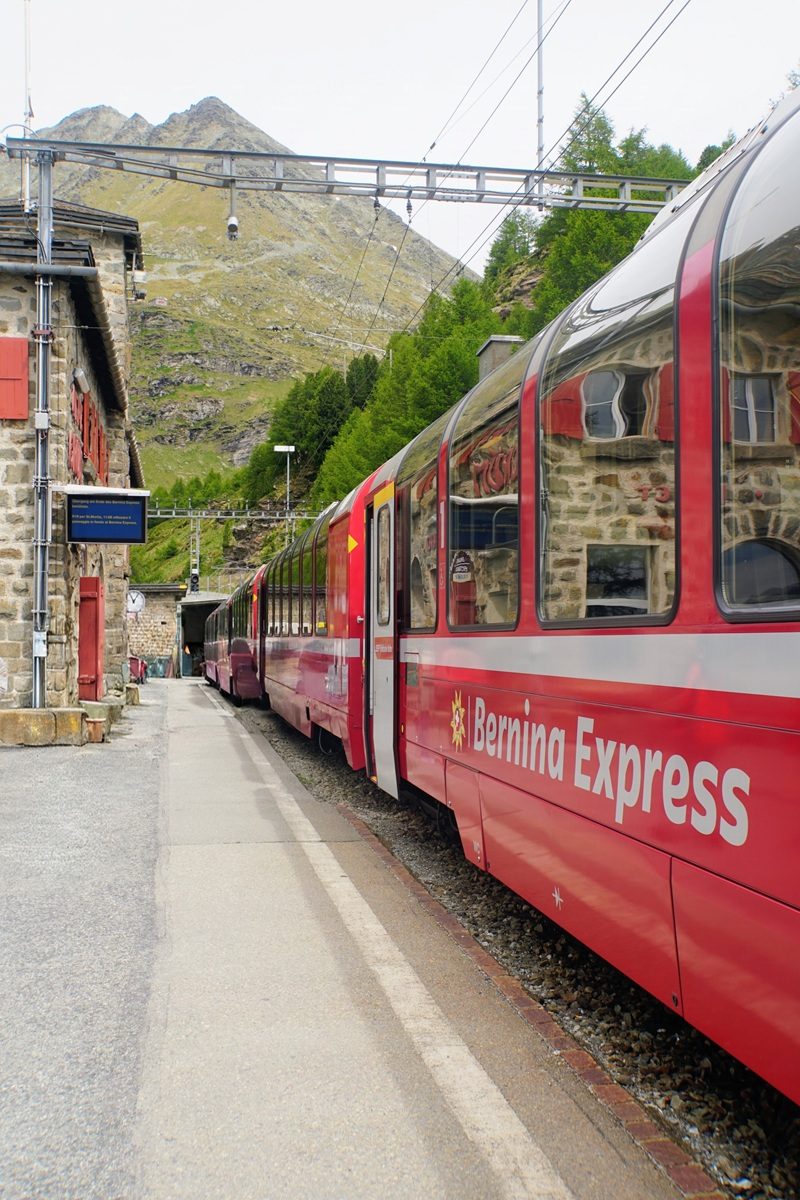
We headed downhill towards the station, called into Coop for pain au chocolat and fruit, and boarded what would become my favourite panoramic rail journey of the trip.
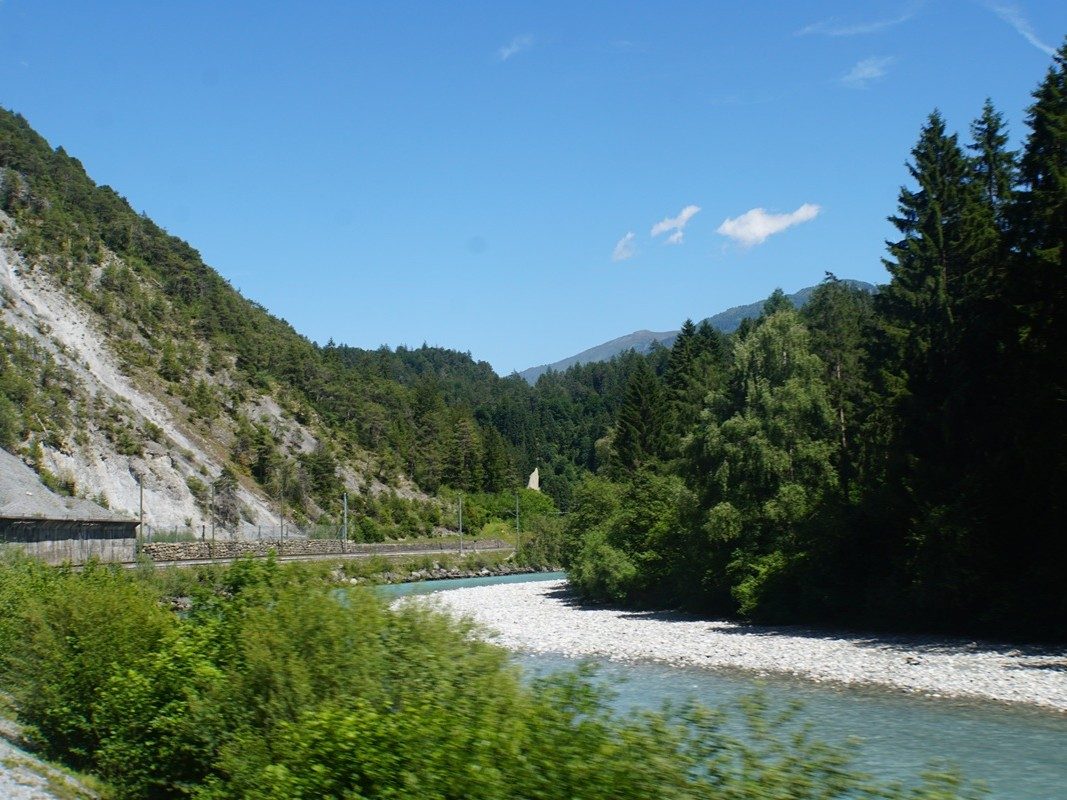
The Bernina Express seemed to offer continual variety.
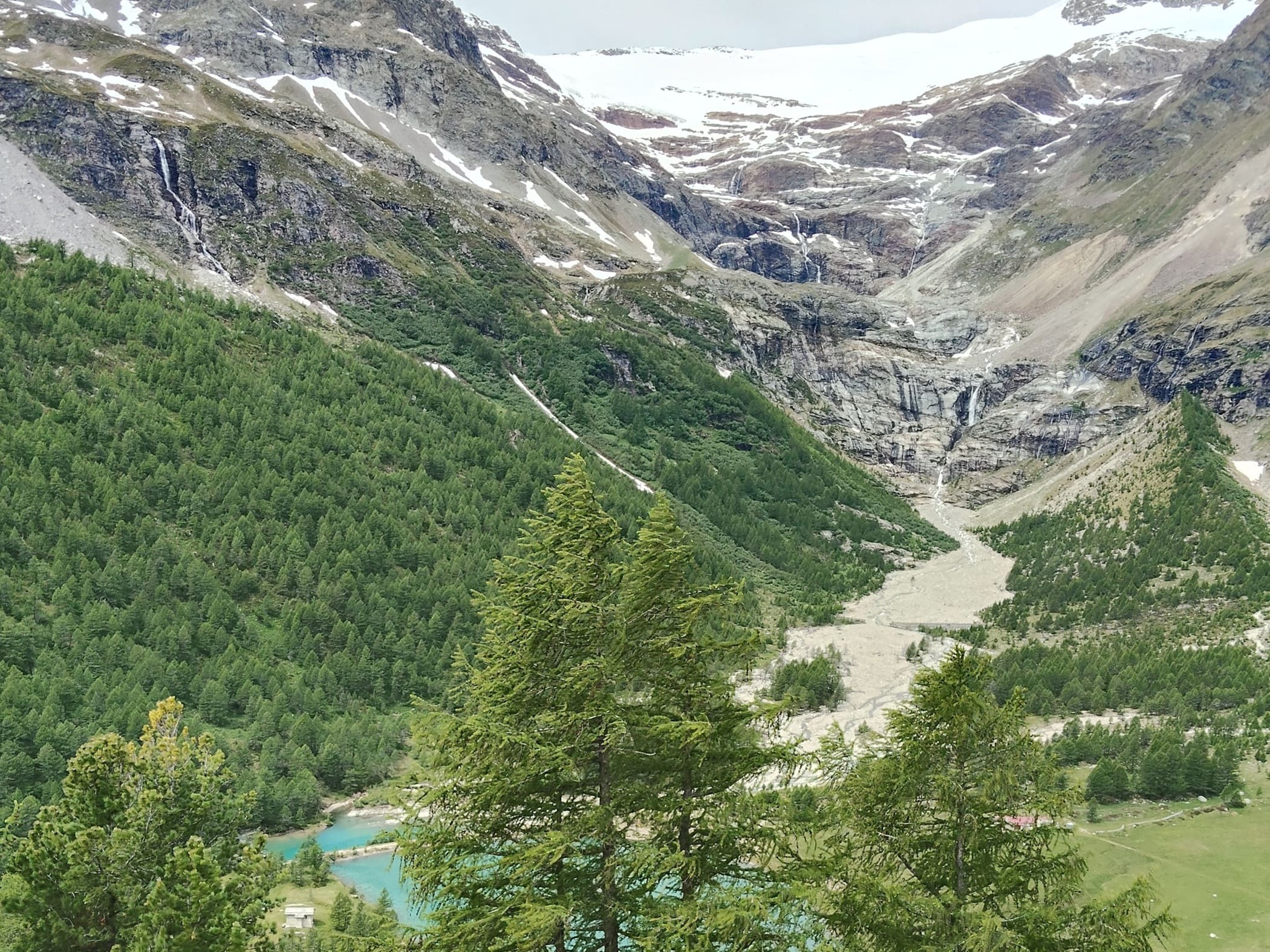
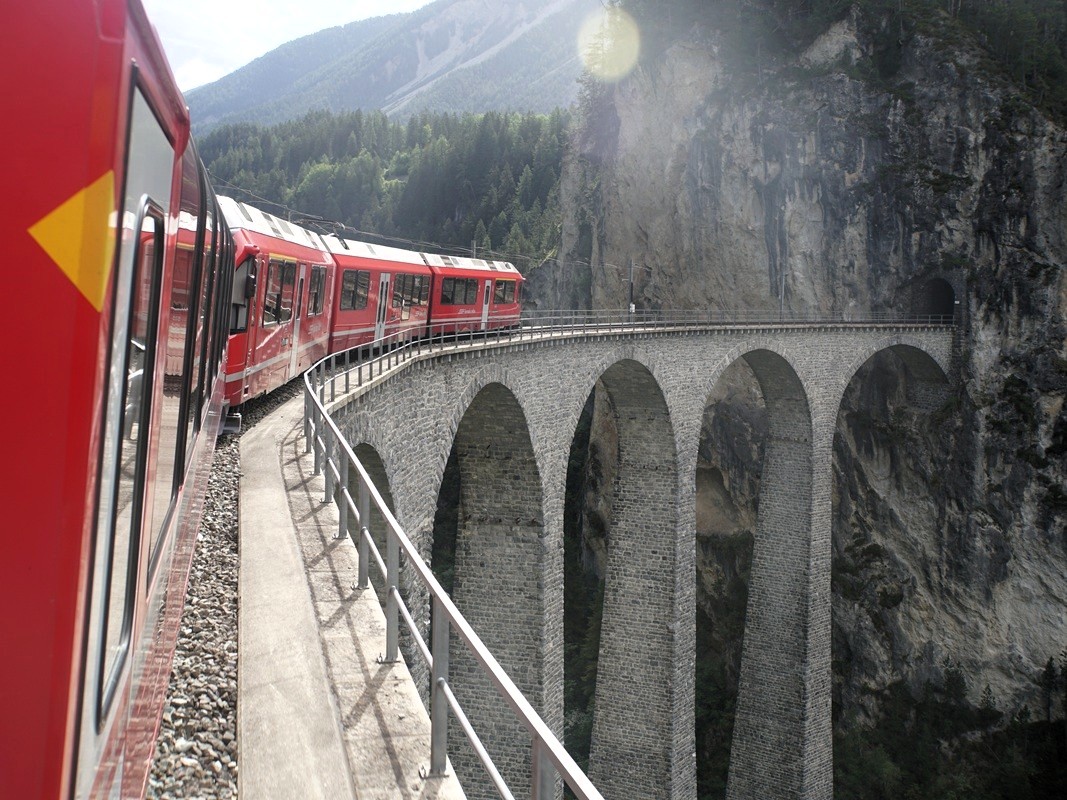
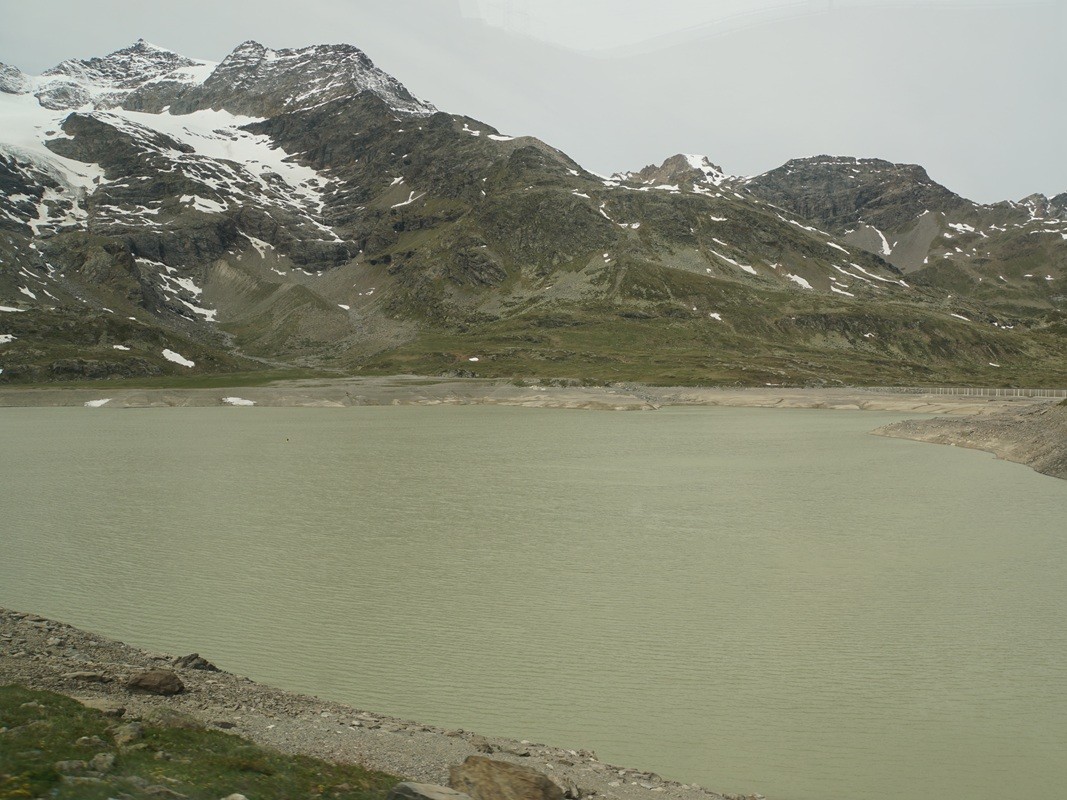
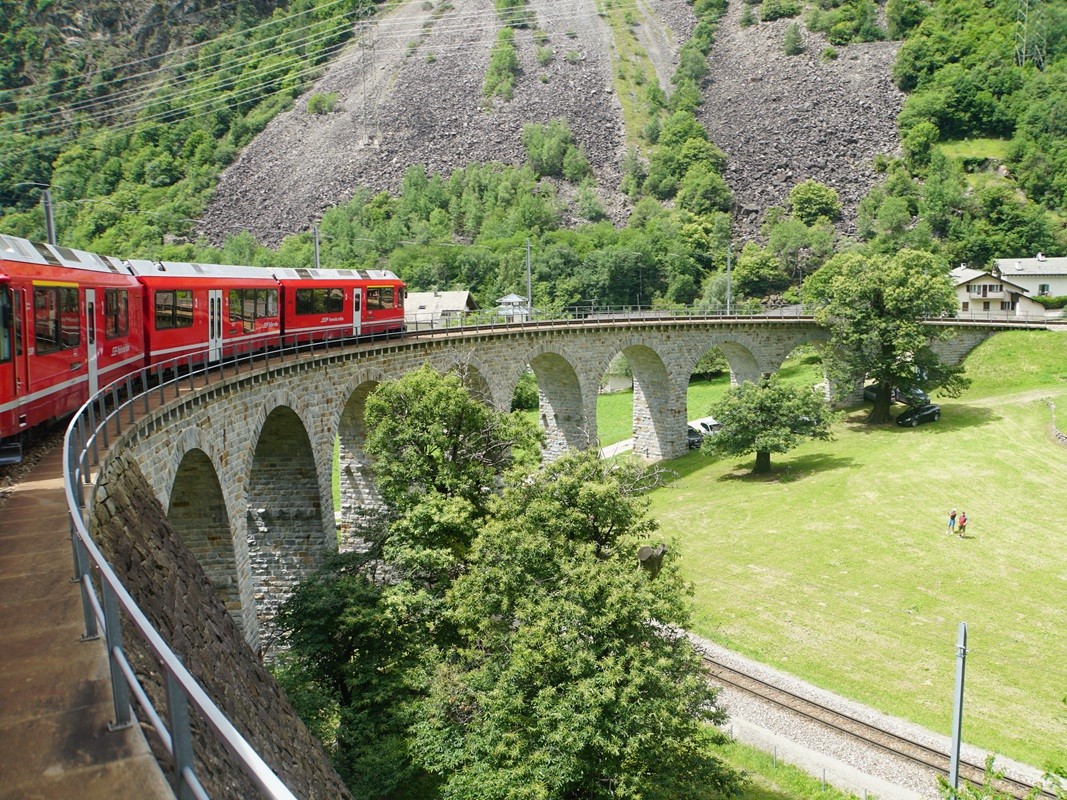
There were forests, lakes, glaciers, high mountain passes and the famous Landwasser Viaduct, where the train curves across the stone structure before disappearing almost immediately into the mountainside.
As we climbed higher towards the Bernina Pass, the landscape became increasingly stark, at times almost moon-like.
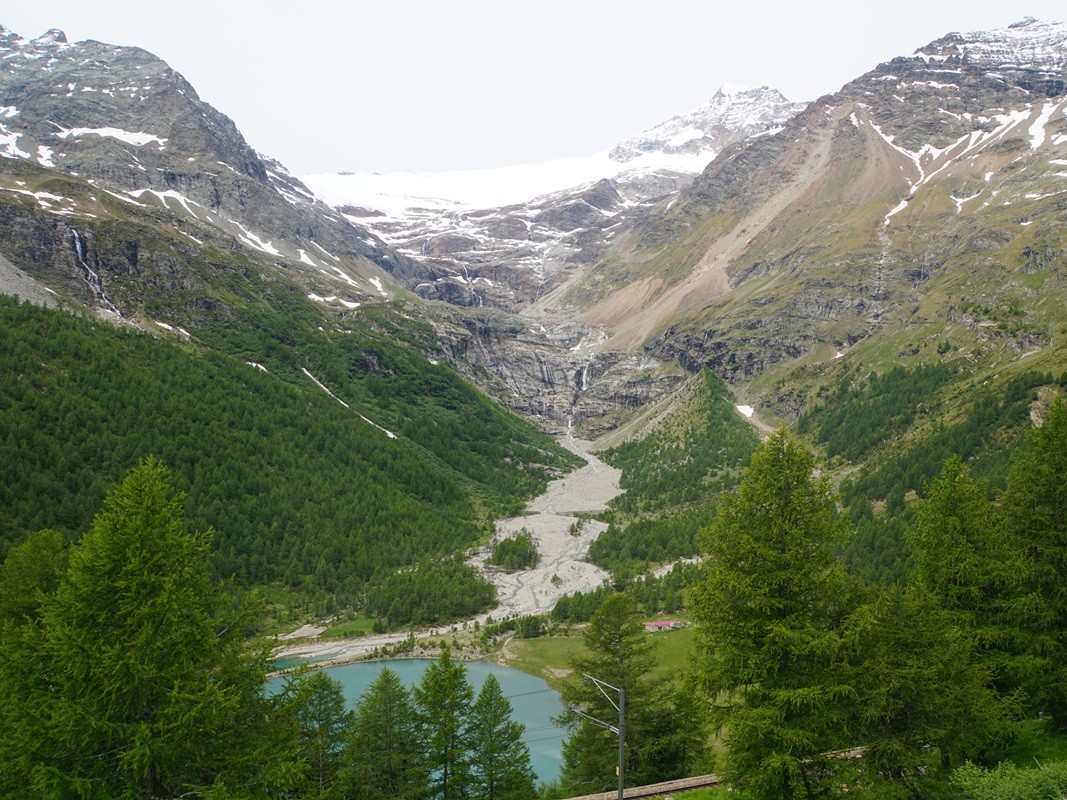
Then came Alp Grüm.
The train paused long enough for us to step outside.
The view down into the Poschiavo Valley was extraordinary, with vivid blue water far below and mountains surrounding the valley.
It became one of the standout moments of the entire journey.
What fascinated me most about the Bernina Express was how continually the landscape changed.
High-Alpine scenery gradually gave way to warmer valleys. Fir trees disappeared and the vegetation became increasingly Italian.
By the time we descended towards Tirano, it felt as though we had crossed far more than simply a national border.
For me, the Bernina Express offered the greatest variety of scenery of any train we travelled on.
From Tirano to Lugano
Arriving in Tirano felt very different from the Swiss stations we had become accustomed to.
Our onward connection was by Bernina Express Bus to Lugano, but finding exactly where the coach departed required some exploration.
Once we had solved that puzzle, we discovered we had enough time for lunch, so we returned to the square in front of the station and found an outdoor café.
Panini and a glass of wine in Italy between journeys was not a bad way to spend an hour.
The bus trip that followed was less enjoyable.
It was full, the seat pitch was tight and we discovered only after boarding that there was virtually nowhere to store our backpacks inside the coach.
Had we known, we could probably have put them underneath with our suitcases. I also think the staff loading the luggage could have warned passengers about the limited onboard storage.
The route itself included some beautiful scenery, including views of Lake Como, but next time I would travel better prepared and would probably also compare the cost of a private transfer.
A wonderful surprise in Lugano
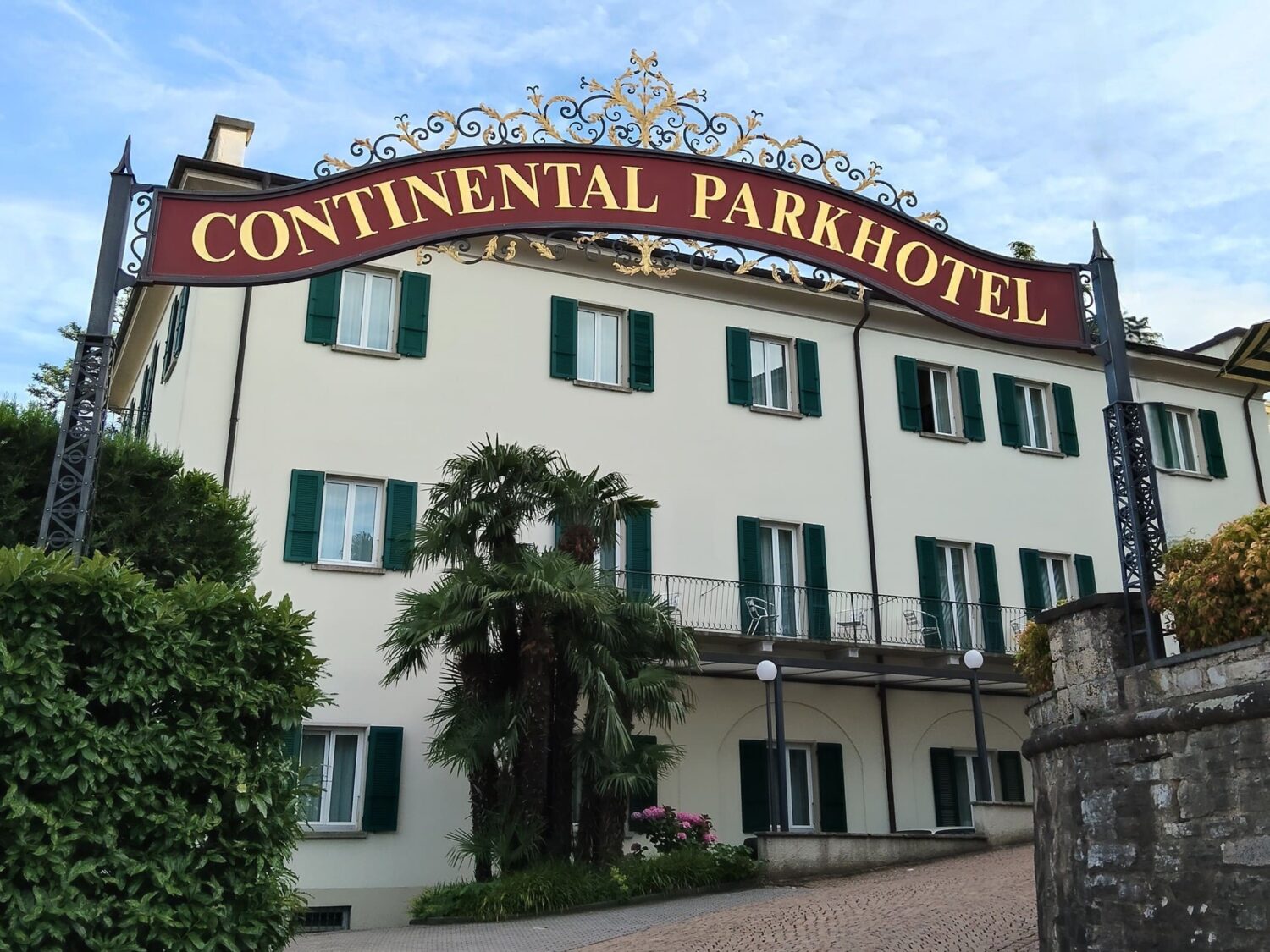
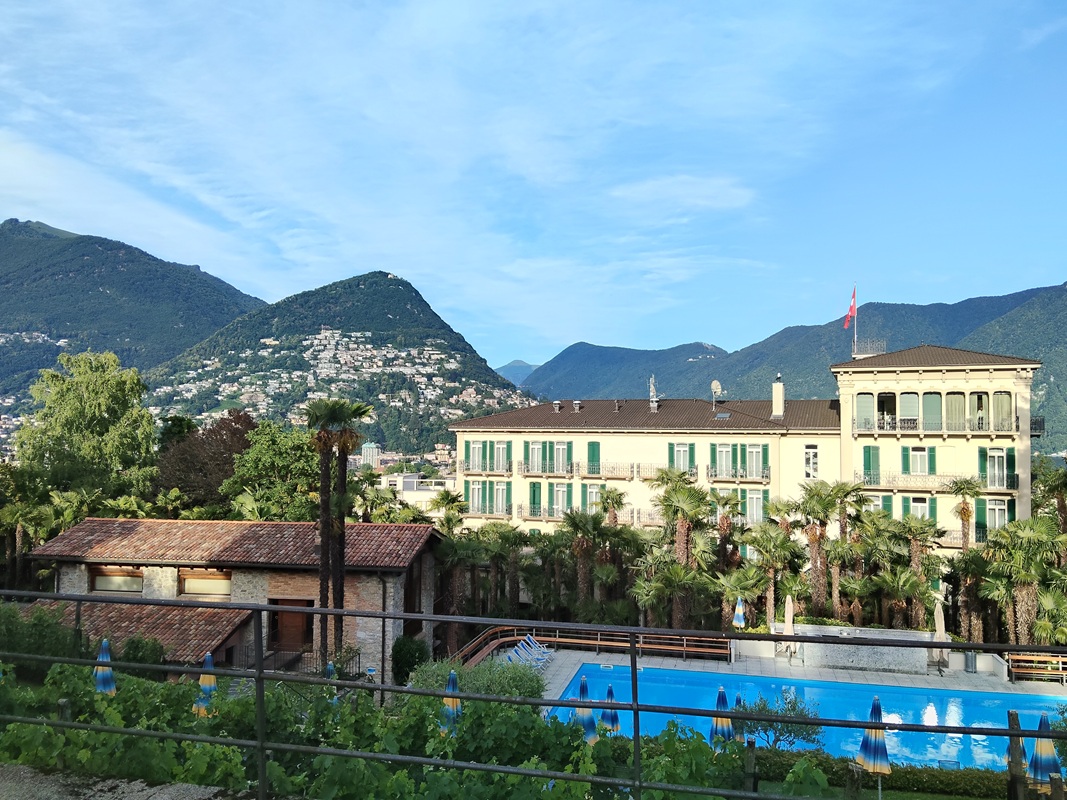
After that bus journey, arriving at the Continental Parkhotel Lugano felt like a reward.
What a find.
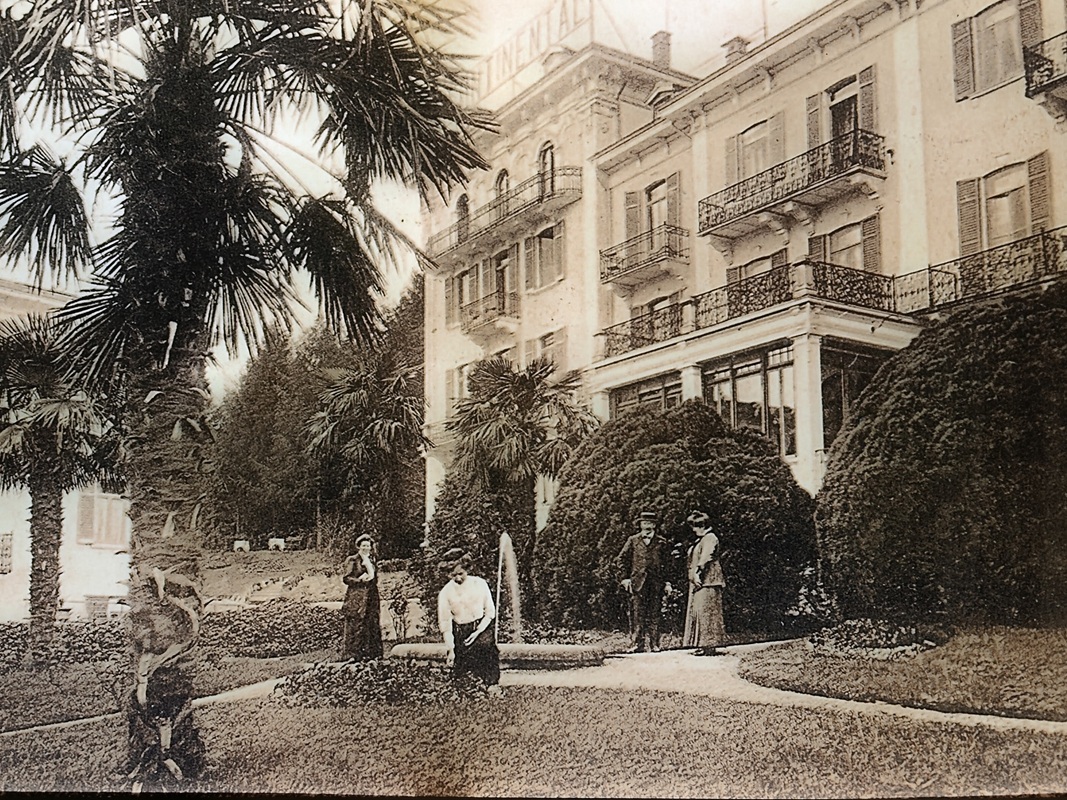
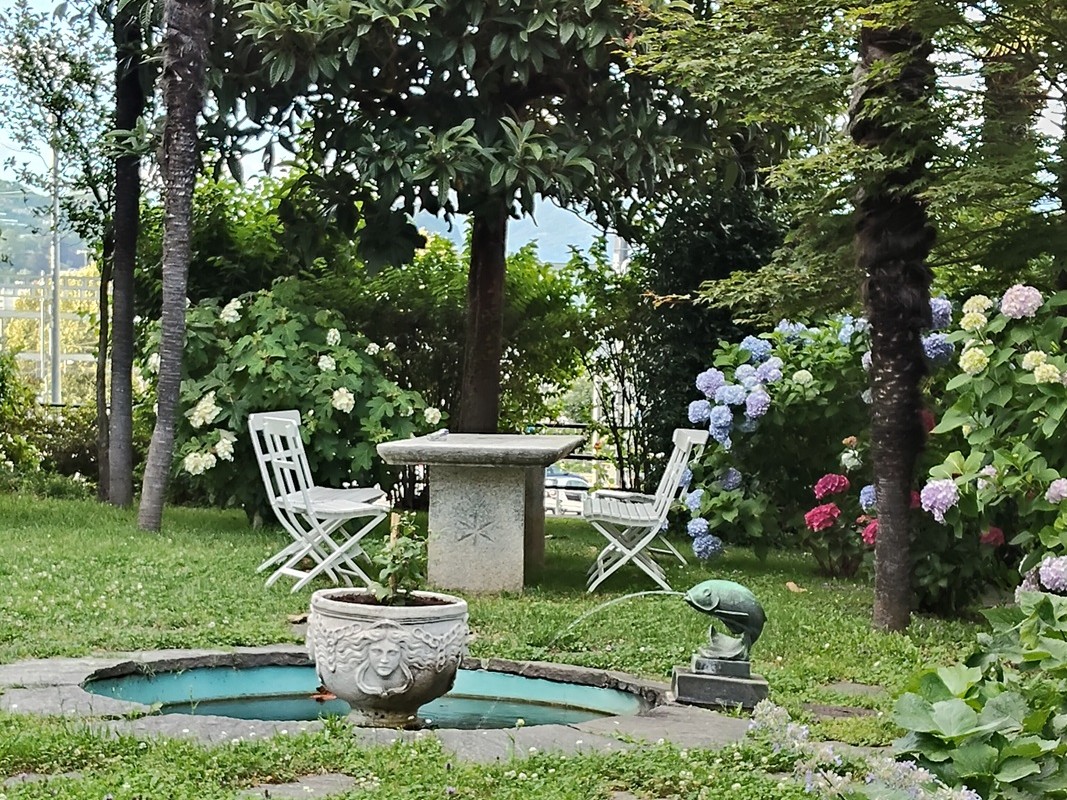
The hotel had the feel of another era, almost something from the 1920s, but beautifully maintained rather than dated. Its gardens were filled with roses, palms, hydrangeas and tropical plants.
Our room was bright, fresh and air-conditioned, which was particularly welcome after the heat outside.
Even better, we had arrived in time for Happy Hour.
A drink and some light snacks on the veranda were exactly what we needed.
Later we wandered through the gardens, checked the restaurant menu and decided there was really no reason to go anywhere else for dinner.
Of all the accommodation on our journey, the Continental Parkhotel was my favourite.
And Lugano became another place where one night simply wasn’t enough.
The Gotthard Panorama Express
The following morning brought one of the biggest surprises of the journey.
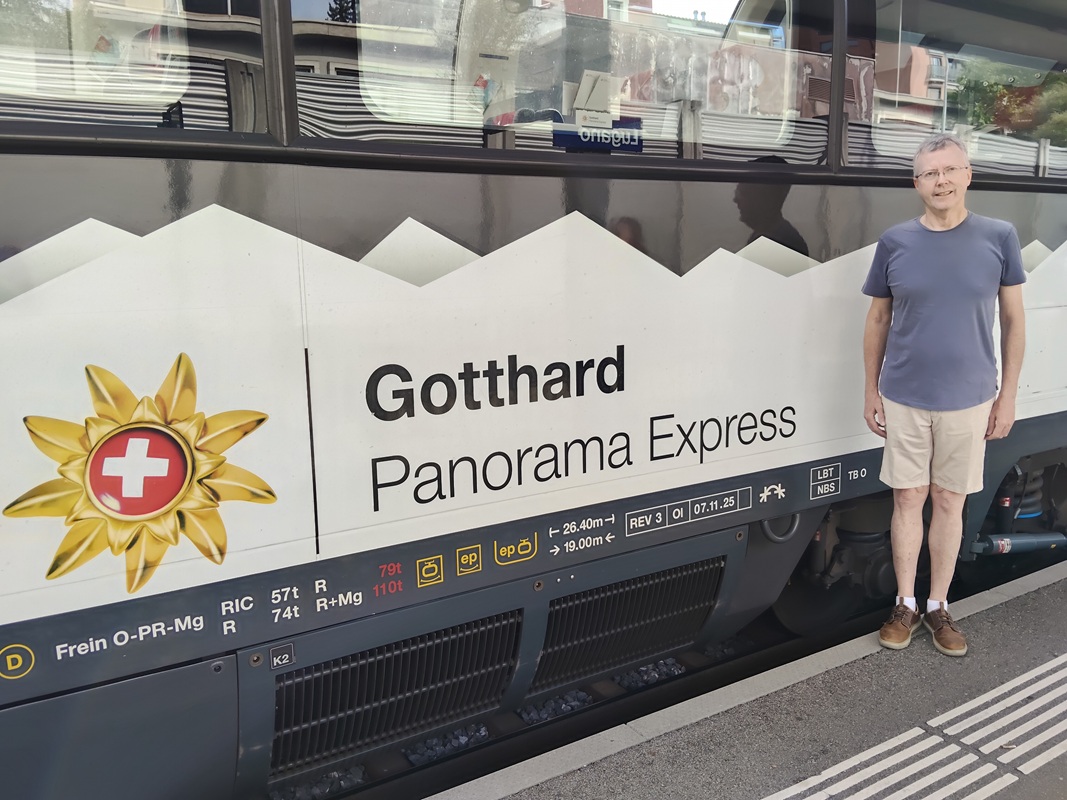
Before travelling, the Gotthard Panorama Express was probably the panoramic experience I knew least about.
It became one of my favourites.
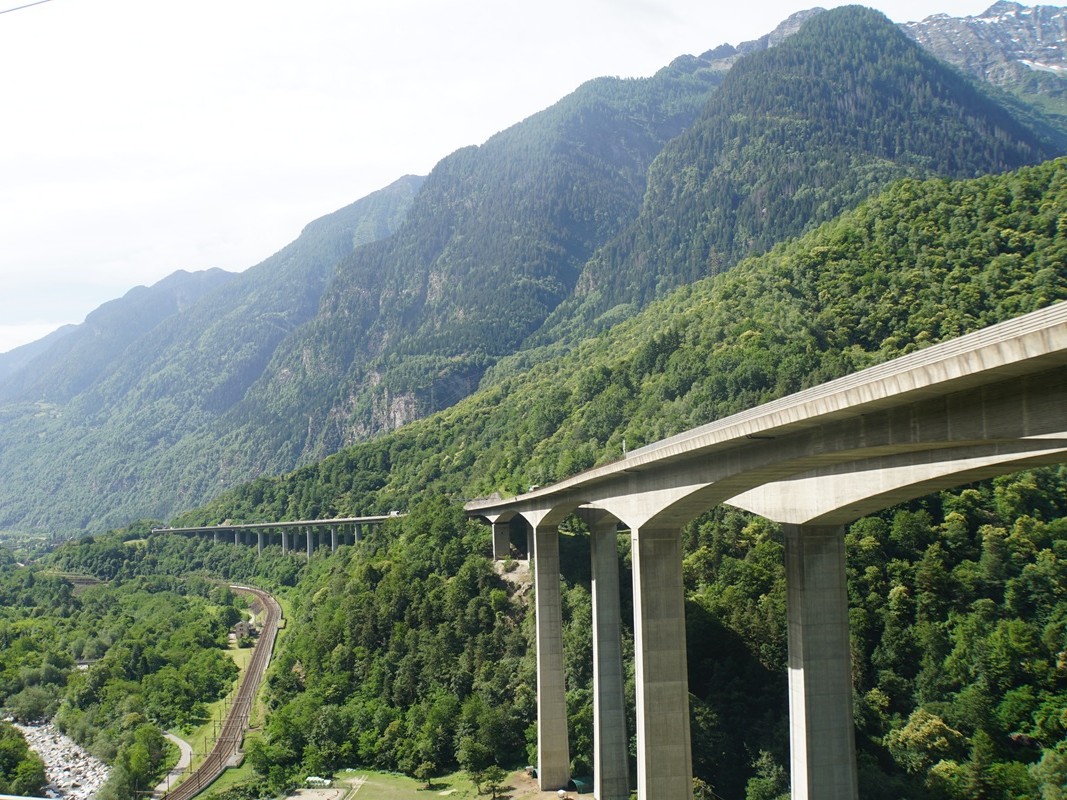
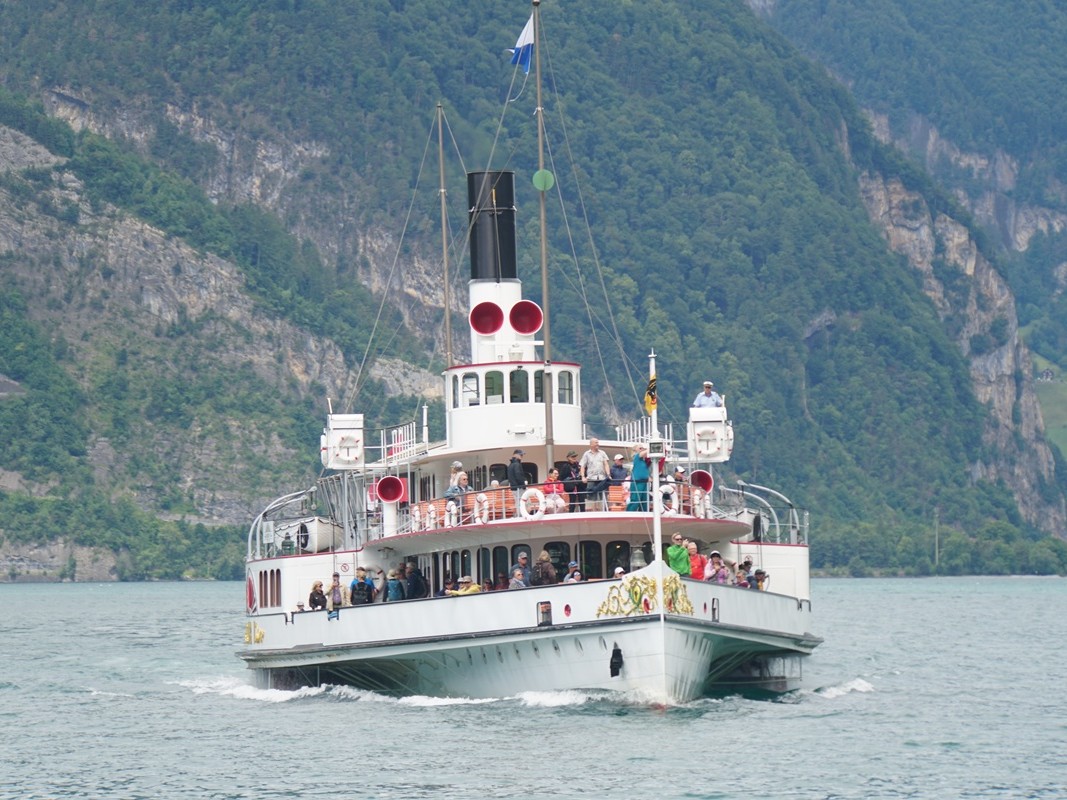
The journey combines the historic Gotthard rail route with a steamboat journey across Lake Lucerne.
Even the Gotthard Tunnel itself was turned into part of the experience, with imagery telling the story of its construction and engineering history.
But there was another feature I appreciated even more by that stage of the trip.
Our luggage was transferred as part of the connection between the train and steamboat.
After days of carrying suitcases through stations and trying to find somewhere to put them onboard trains, the difference was remarkable.
We could simply make the connection and enjoy ourselves.
Before leaving Australia, someone who had previously travelled the route had recommended reserving a table in the restaurant on the top deck of the Lake Lucerne steamboat.
It was excellent advice.
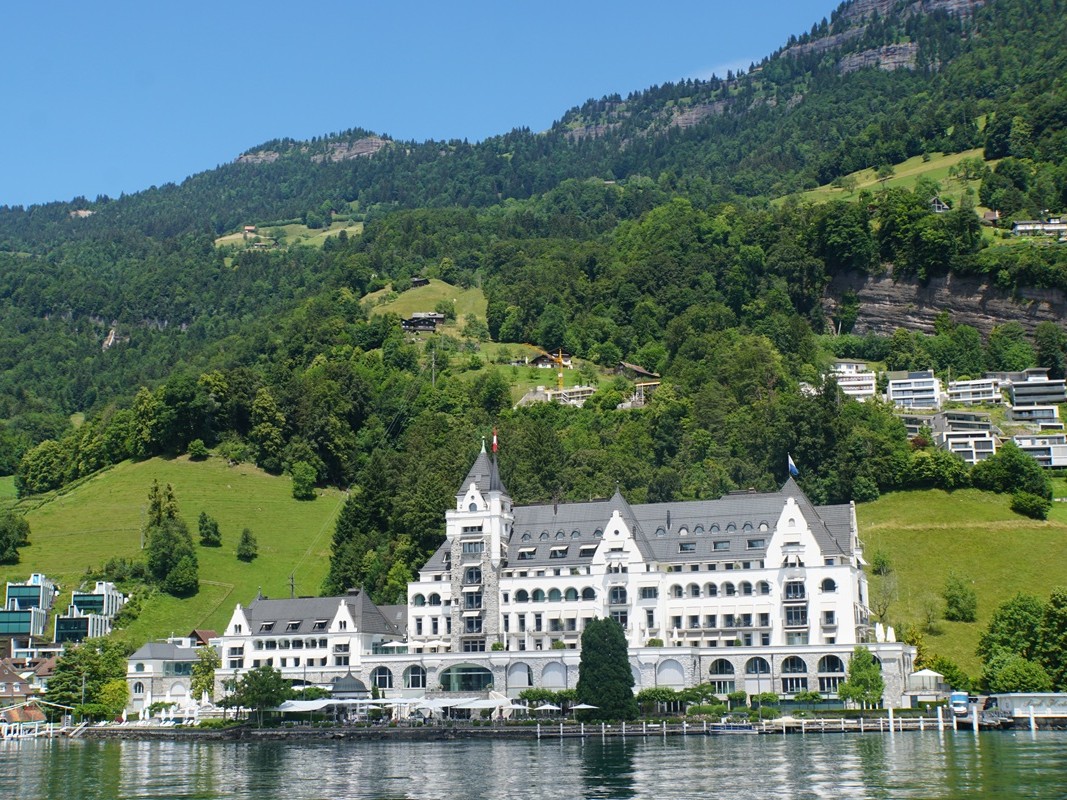
We settled into our own table, ordered something to eat and drink and watched the mountains and shoreline pass outside.
After a week of watching platforms, managing luggage and checking connections, there was something wonderfully civilised about sitting with a glass of wine while someone else took care of everything.
The Bernina Express had delivered the greatest variety of scenery.
Gornergrat had provided the biggest mountain moment.
But the Gotthard Panorama Express and Lake Lucerne steamboat probably felt like the most complete experience.
What I would do differently next time
The biggest change I would make has nothing to do with which trains I would travel on.
I would slow the itinerary down.
There was a deliberate reason we moved so quickly through Switzerland. I wanted to experience as many of the major panoramic rail journeys as possible in the shortest practical amount of time and build my first-hand knowledge of the different experiences.
It achieved exactly that.
But I wouldn’t normally recommend maintaining that pace for an extended holiday.
Almost every day involved packing, checking out, moving luggage, finding platforms, boarding another train, locating the next hotel and unpacking again.
Next time I would stay longer in fewer places and use those destinations as bases for day trips.
Montreux deserved more time.
So did Lugano.
Zermatt could easily justify several nights, particularly if you wanted to stop at some of the intermediate stations on the Gornergrat Railway rather than heading directly to the top.
Slowing down would also solve much of the luggage problem.
My first advice for anyone planning a multi-stop Swiss rail journey would be simple:
Pack lighter than you think you need.
And don’t assume that because a hotel looks close to a station on a map you necessarily need to walk there.
Hills, steps, street levels and luggage can transform a short walk.
Sometimes take the taxi.
Switzerland also offers luggage-transfer services, which can be extremely useful, but the timing and cost make them much more practical when you are staying longer in each place rather than moving hotels every night.
What Switzerland by rail taught me
After travelling on so many of Switzerland’s famous railways in such a short time, I came home with a much better appreciation of just how different they are.
The Glacier Express delivered the classic panoramic rail experience.
The Bernina Express was my favourite scenic journey because of the extraordinary variety of landscapes.
Gornergrat provided the biggest mountain moment, with the Matterhorn almost close enough to touch.
And the Gotthard Panorama Express with the Lake Lucerne steamboat was perhaps the most complete experience of them all.
But some of the strongest memories weren’t necessarily the headline attractions.
They were looking across Lac Léman from our room in Montreux.
Standing in Zermatt at dusk watching the last light around the Matterhorn.
Lunch and wine in the square at Tirano.
Happy Hour on the veranda in Lugano.
Sitting at our reserved table as the steamboat crossed Lake Lucerne.
Even discovering that Coop supermarkets could become a traveller’s best friend.
The trains created the framework for the journey.
The moments around them made the holiday.
Would I travel Switzerland by rail again?
Absolutely.
I would stay longer.
I would use a few carefully chosen destinations as bases for day trips.
I would pack less.
I would occasionally take a taxi rather than stubbornly dragging a suitcase because the hotel looked close on Google Maps.
I would still reserve the panoramic trains early.
I would still reserve that top-deck table on the Lake Lucerne steamboat.
I would definitely return to the Continental Parkhotel.
And I would happily board the Bernina Express again tomorrow.
Perhaps the most useful thing this journey taught me is that Switzerland doesn’t really need to be rushed.
The trains will take you through some extraordinary landscapes.
Give yourself enough time to enjoy the places they take you to as well.
Frequently Asked Questions
Which scenic train in Switzerland did I enjoy most?
The Bernina Express, because of the extraordinary variety of scenery. The landscape seemed to change continually, from forests and glaciers to high mountain passes and increasingly Italian scenery towards Tirano.
Is the Glacier Express worth doing?
Yes. It delivers the classic Swiss panoramic rail experience and some magnificent scenery. It wasn’t my personal favourite, though. For me, the Bernina Express offered greater variety and more frequent changes in the landscape.
Do you need a Swiss Travel Pass for a rail holiday?
Not necessarily, but for an itinerary involving as much rail travel as ours, it made getting around considerably easier. It’s important to remember that some panoramic trains still require separate seat reservations or supplements, even when the journey itself is covered by the Pass.
How many nights should you spend in each place?
My biggest lesson was to stay longer in fewer places. Rather than changing hotels almost every day, I would choose several well-positioned bases and use Switzerland’s excellent rail network for day trips, giving you more time to enjoy the destinations as well as the journeys between them.
Is travelling Switzerland by rail easy with luggage?
It’s certainly manageable, but luggage can add another layer to an otherwise straightforward rail journey. Packing lighter, choosing hotels carefully, using taxis when it makes sense and considering luggage-transfer services can make the experience considerably easier.
Planning your own Switzerland rail journey?
If you’re considering travelling through Switzerland by rail and would like help bringing the trains, overnight stays and connections together into an itinerary that works, I’d be happy to help.
Get in touch to start planning your Switzerland rail journey.


Meet Your Experienced Travel Advisor, Philip
I've always believed that travel isn't just about ticking boxes — it's about meaningful experiences that enrich your life. Born and raised in Darwin, I grew up surrounded by diverse cultures, big skies, and a strong sense of connection — all of which shaped the way I see the world. Read More
