

River Cruising Guide
What to Consider Before You Book a River Cruise
River cruising offers a very different way to travel, but it is not a single, uniform experience.
Before you book a river cruise, it is important to understand that the experience varies significantly depending on the river, the region, the cruise line and the style of ship you choose.
A Danube sailing feels very different from a Nile cruise. A premium contemporary ship delivers a different atmosphere to an ultra-luxury vessel. Even two ships on the same river can offer entirely different experiences.
In this guide, I explain the key considerations including destinations, cruise line differences, inclusion levels and traveller suitability so you can make a confident decision before booking.
Many travellers are surprised by how different river cruises can feel depending on the cruise line they choose, even when sailing the same river.
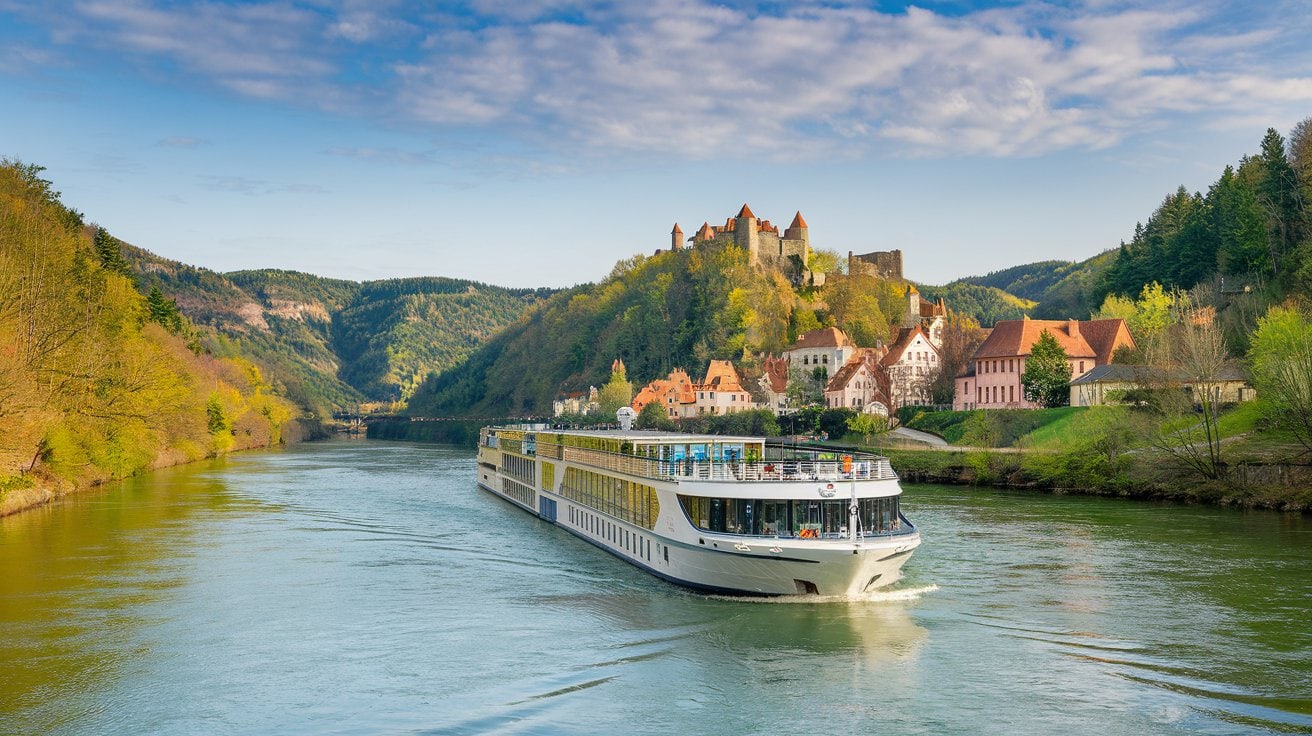
Quick Overview: What Is River Cruising Like?
River cruising is a style of travel focused on immersive destinations, smaller ships and convenient logistics rather than large-scale onboard entertainment.
Ships typically carry between 100 and 180 guests and dock close to city centres and historic towns, allowing travellers to explore multiple destinations without repeatedly packing and unpacking.
Europe remains the most popular region for first-time river cruisers, while destinations such as the Nile, Mekong and African rivers appeal to more specialised interests. Choosing the right cruise line is often as important as choosing the river itself.
Why River Cruising Continues to Grow
River cruising continues to grow in popularity worldwide.
The reasons travellers choose river cruising are fairly consistent:
- Smaller ships with fewer guests
- Docking in the heart of cities and historic towns
- Cultural immersion rather than sea days
- High inclusion levels
- Refined yet relaxed onboard atmosphere
- The convenience of unpacking once
Major brands including Celebrity Cruises and Trafalgar have recently entered the river cruise market, reflecting strong confidence in this style of travel.
For many Australian travellers, particularly those aged 55 and over, river cruising offers depth and comfort without the scale of large ocean liners.
Who Is River Cruising Best Suited For?
River cruising tends to appeal most strongly to travellers who value experiences over onboard entertainment.
It is particularly well suited to:
- Travellers interested in culture, history and local experiences
- Couples seeking a structured but relaxed holiday
- Solo travellers wanting independence with support
- First-time visitors to Europe
- Travellers who prefer smaller ships over large ocean liners
- Guests who value convenience and minimal logistics planning
Travellers of all ages enjoy river cruising, but it tends to suit those who value comfort, cultural insight and a more relaxed pace of travel.
Thinking about a river cruise? Choosing the right cruise line matters more than most travellers realise. Join my mailing list and receive occasional insights on:
- River Cruise Comparisons
- New Itineraries Worth Considering
- Solo Traveller Friendly Sailings
Prefer personal advice?
I can help you compare cruise lines and itineraries that match your travel style.
The World’s Most Popular River Cruise Destinations
While Europe dominates global demand, river cruising is now available across many regions of the world. Each region offers a distinct experience.
European River Cruises
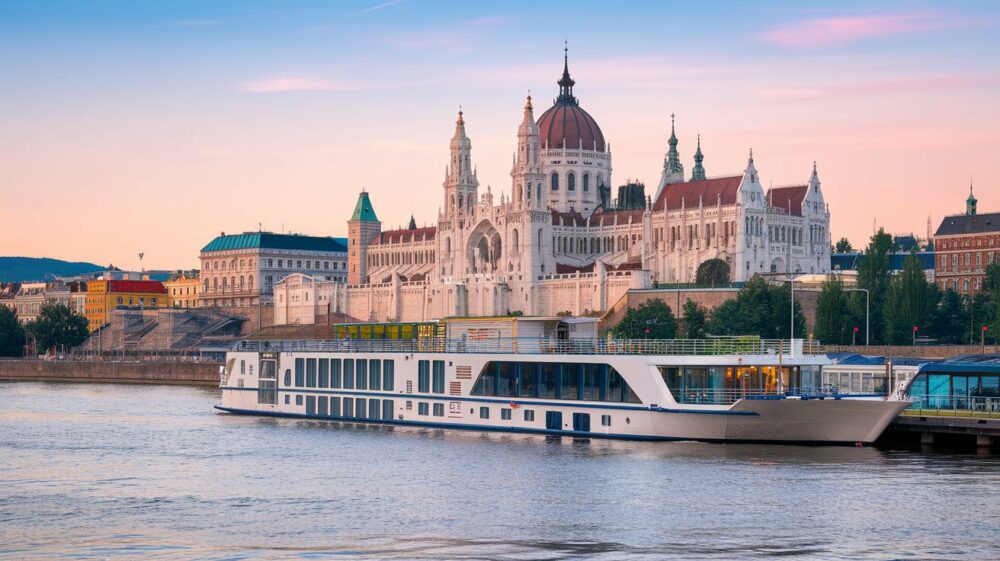
European river cruises remain the most popular choice for Australian travellers.
For many of my Australian clients, Europe is the natural starting point because it offers the widest choice of rivers, cruise lines and travel styles.
The most requested rivers include:
- Danube
- Rhine
- Seine
- Rhône
- Douro
- Main
Growing interest:
- Moselle
- Elbe (water-level dependent)
- Bordeaux region itineraries
- Po River (Italy – limited sailings)
Why Europe remains dominant:
- Exceptional infrastructure
- Reliable docking in city centres
- Cultural diversity across short distances
- Culinary depth
- Wide choice of cruise lines and onboard styles
For most first-time river cruisers, Europe is usually the easiest starting point for first-time river cruisers.
For a deeper look at European river cruising, you can read my detailed guide to European river cruises.
Nile River Cruises – Egypt
Nile river cruises are quite different from Europe.
The focus is historical immersion:
- Temple-to-temple sailing
- Egyptologist-guided touring
- Ancient civilisations
- Concentrated sightseeing
Ships are typically smaller and the climate warmer. The experience is archaeology-led rather than village-focused.
The Nile suits travellers who prioritise history and are comfortable travelling in warmer climates.
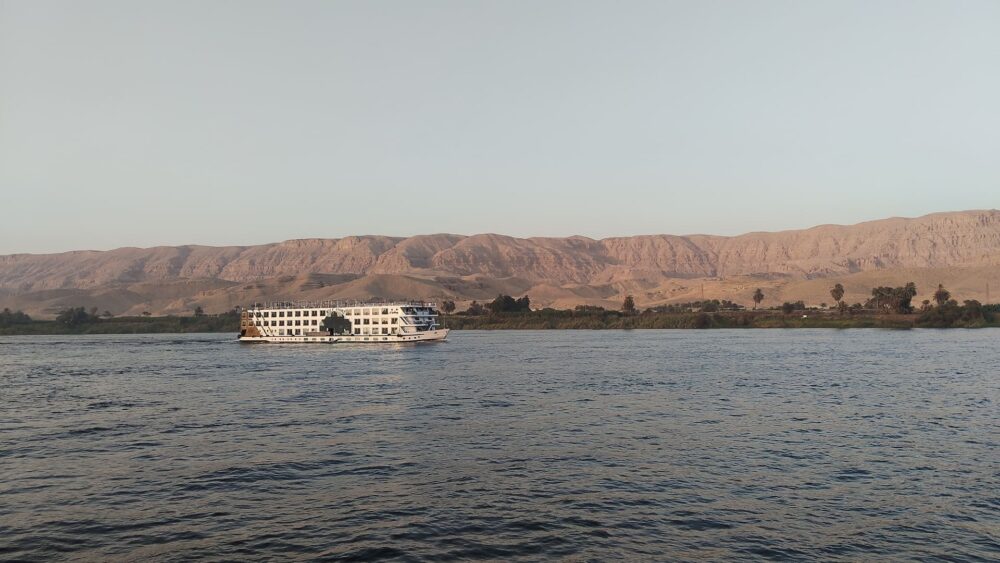
Cruising the Nile - Image by Holidays Beckon
African River Cruises – Chobe River
Chobe River cruising is typically paired with:
- Botswana safari lodges
- Victoria Falls
- Namibia extensions
This is wildlife immersion rather than city exploration, operated on ultra-small vessels.
Best suited for experienced travellers and safari enthusiasts seeking something different from traditional river itineraries.
Mekong River Cruises – Vietnam & Cambodia
Mekong river cruises offer:
- Deep cultural immersion
- Riverside village visits
- Smaller vessels
- A slower, observational pace
This region appeals to well-travelled Australians seeking substance beyond mainstream European itineraries.
Yangtze River Cruises – China
Yangtze cruises tend to highlight major engineering projects and historic landmarks.
The experience centres on:
- Engineering landmarks
- Major historical sites
- Cultural icons
They are less commonly requested by Australian travellers compared with Europe or the Mekong.
Mississippi River Cruises – United States
Mississippi river cruises focus on:
- American history
- Civil War heritage
- Jazz culture
- Paddlewheel nostalgia
While popular with US travellers, they are less commonly chosen by Australians due to the long-haul travel for a narrower cultural contrast.
Emerging River Cruise Destinations
Newer and niche river cruise regions include:
- Magdalena River (Colombia)
- Ganges River (India)
These itineraries tend to suit repeat river cruisers seeking something less mainstream.
You can browse current itineraries on my river cruise tours and packages page.
How Do River Cruise Lines Differ?
River cruises generally fall into three broad tiers: value, premium contemporary and luxury.
Rather than focusing on price, it is more useful to understand what differentiates each tier.
Value-Focused River Cruises
Typically offer:
- Comfortable cabins
- Structured daily excursions
- Set dining experiences
- Fewer inclusions overall
- A more traditional touring style
These cruises can represent strong value for travellers who prioritise itinerary over onboard refinement.
Premium Contemporary River Cruises
Premium contemporary lines combine comfort, good inclusions and modern ship design.
Expect:
- Stylish contemporary ships
- A relaxed onboard atmosphere
- Solid inclusion levels
- A mix of guided and independent excursion options
- Strong service without ultra-luxury positioning
For many Australian travellers, this tier offers an excellent balance between experience and investment.
Luxury River Cruises
Luxury operators place a stronger emphasis on service and inclusions.
Often includes:
- Higher staff-to-guest ratios
- Butler service on selected categories
- Fine dining with broader choice
- Premium beverages included
- Wider excursion options
- Larger suites and refined finishes
Luxury lines suit travellers who prioritise service depth, space and inclusions.
To learn more about a higher-end experience, you may also find this guide to luxury river cruises for first-time cruisers helpful.
Many travellers are surprised by how different river cruise lines can feel — even on the same river.
If you'd like help comparing options, I'm always happy to talk through the differences.
Advantages and Potential Limitations of River Cruising
Advantages
- Central docking locations close to attractions
- Smaller guest numbers creating a relaxed atmosphere
- Inclusive touring structure
- Cultural depth and local immersion
- Unpack once convenience
Potential Limitations
- Fewer options in cabin choice compared with large ocean ships
- Fewer onboard entertainment venues
- Weather or water level disruptions can occasionally affect itineraries
- Less nightlife atmosphere than ocean cruising
- Fewer dining venues than large ships
River ships are smaller by design, so the range of cabin categories is typically more limited, even though many suites are spacious and well appointed.
River Cruise vs Ocean Cruise: What Is the Difference?
River Cruise
Ship size: Small, around 100 to 180 guests
Docking: City centres and towns
Focus: Destinations and culture
Atmosphere: Relaxed and intimate
Pace: Frequent stops
Ocean Cruise
Ship size: Large, often thousands of guests
Docking: Major ports
Focus: Onboard entertainment and facilities
Atmosphere: Resort-style
Pace: Sea days included
Neither is better. They simply deliver different styles of travel.
When Is the Best Time for a River Cruise?
The ideal time depends on the region and your priorities.
General patterns include:
- Spring for scenery and moderate temperatures
- Summer for longer daylight hours
- Autumn for seasonal colour and wine regions
- Festive season sailings for Christmas markets in Europe
Water levels can vary depending on rainfall and local conditions, which is something experienced cruise lines manage carefully.
Are River Cruises Suitable for Solo Travellers?
Solo travel continues to increase each year, particularly among Australians aged 50 and over.
Many solo travellers initially worry about feeling out of place, but that concern rarely reflects the onboard reality.
River cruising works well for independent travellers because it combines structure with flexibility. Logistics are handled, excursions are organised, and you can wake up in a new destination without the stress of repacking while still maintaining personal space.
Why river cruising suits independent travellers:
- Smaller ships create a manageable environment
- Excursions provide structure without obligation
- You can explore independently during port calls
- Onboard spaces allow you to socialise or retreat as you choose
- Dining arrangements are organised but not rigid
There is no expectation to constantly engage.
A note for men considering river cruising solo.
Some men assume river cruising may feel socially unbalanced if travelling alone. In practice, that perception rarely reflects reality.
The onboard mix typically includes couples and solo travellers across a range of ages. Choosing the right ship matters more than gender dynamics.
If you are travelling alone, this article explains some of the common concerns and practical considerations around solo cruise booking.
How Do You Choose the Right River Cruise?
Rather than asking which river cruise is best, consider:
- Am I drawn to history, wildlife, food and wine, or scenery?
- Do I prefer structured touring or flexibility?
- Is this my first river cruise?
- Do I value contemporary design or traditional luxury?
- Am I travelling independently or as a couple?
In my experience working with Australian travellers, the most important decision is not the river itself but selecting the cruise line that matches expectations around inclusions, pace and onboard atmosphere.
For many travellers:
- Europe remains the most reliable starting point
- The Nile suits history-focused guests
- Africa suits wildlife enthusiasts
- The Mekong suits culturally curious repeat travellers
The cruise line matters as much as the river.
Two ships on the same waterway can deliver very different experiences.
Frequently Asked Questions
Is a European river cruise the best option for first-time river cruisers?
For most Australian travellers, yes. Rivers such as the Danube and Rhine offer reliable infrastructure, central docking and a wide range of cruise lines, making them ideal for first-time river cruisers.
Are river cruises suitable for solo travellers?
Yes. Smaller ships, structured excursions and flexible onboard spaces make river cruises well suited to independent travellers. Selecting the right cruise line and understanding solo pricing policies are important considerations.
What is the difference between luxury and premium river cruise lines?
Luxury river cruise lines generally include higher staff-to-guest ratios, broader inclusions and refined dining. Premium contemporary operators offer strong value and modern design with fewer inclusions. The best choice depends on expectations.
Which river cruise destination is best for Australian travellers?
Europe remains the most popular and accessible starting point. The Nile appeals to history-focused travellers, Africa suits wildlife enthusiasts, and the Mekong attracts culturally curious repeat travellers.
Planning a River Cruise?
Planning a river cruise can feel confusing because cruise lines vary so much.
If you would like personalised guidance, I am always happy to talk through the differences between cruise lines and itineraries so you can feel confident in your choice.


Meet Your Cruise Specialist, Philip
As a CLIA Top 100 Master Cruise Consultant in Australia, my accreditation provides me with specialist knowledge in the luxury cruise space, allowing me to offer expert guidance on selecting the perfect voyage. Read More

Share this on Social Media