

How to Choose the Right Cruise
A clear, practical guide for travellers who want to make the right choice first time
Choosing a cruise should feel exciting, not confusing. Yet with hundreds of ships, itineraries, and cruise lines available, many travellers feel unsure where to begin.
This guide is designed to help you understand your real options, avoid common mistakes, and choose a cruise that suits your travel style, pace, and expectations.
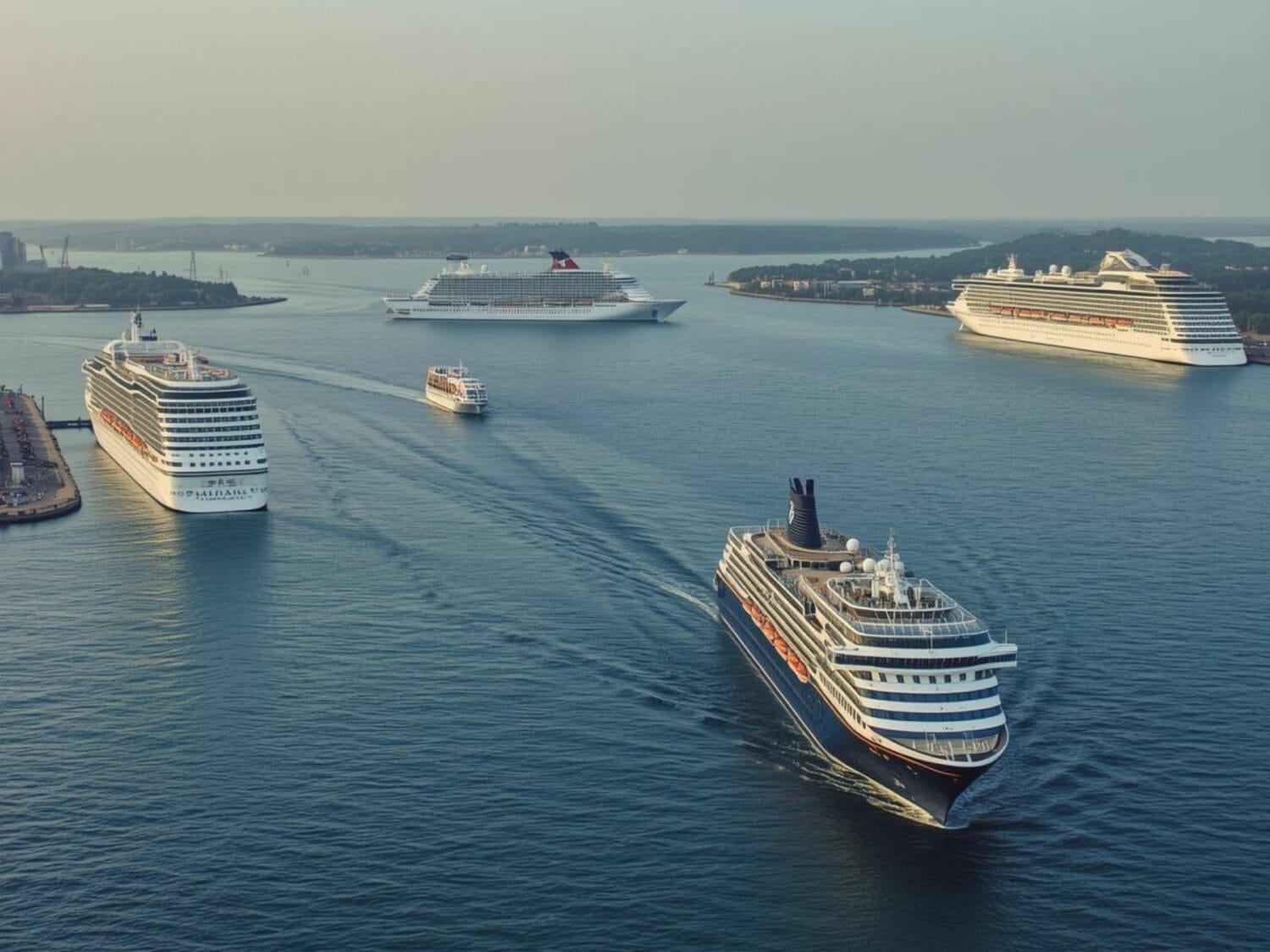
Start Here: The Five Decisions That Matter Most
If you want to choose the right cruise, focus on these five areas first:
-
The type of cruise: ocean, river, or expedition
-
The size of the ship
-
Your preferred pace of travel
-
Whether the ship or the itinerary matters more to you
-
What “value” means for your style of travel
Once these are clear, most decisions become much easier.
Ocean, River, or Expedition: Which Suits You Best?
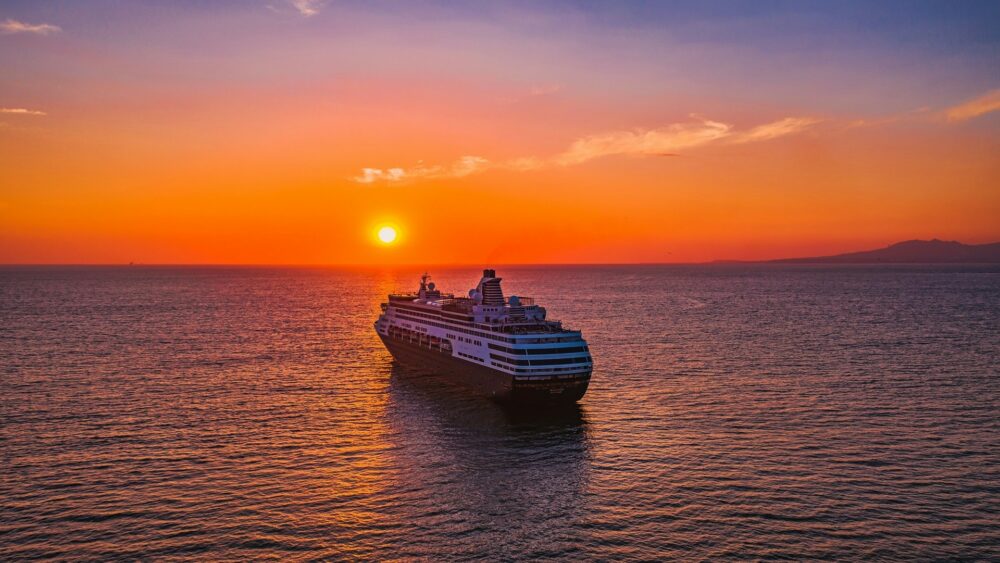
Ocean cruises suit travellers who enjoy variety, onboard entertainment, and visiting multiple destinations on one journey. They range from lively mega-ships to smaller, more refined vessels.
Popular regions include the Mediterranean, Alaska, Northern Europe, and the Caribbean.
River cruises focus on slow travel and cultural immersion. Ships travel through inland waterways such as the Danube, Rhine, Mekong, and Nile, stopping directly in towns and cities.
They suit travellers who prefer smaller groups, guided touring, and fewer sea days.
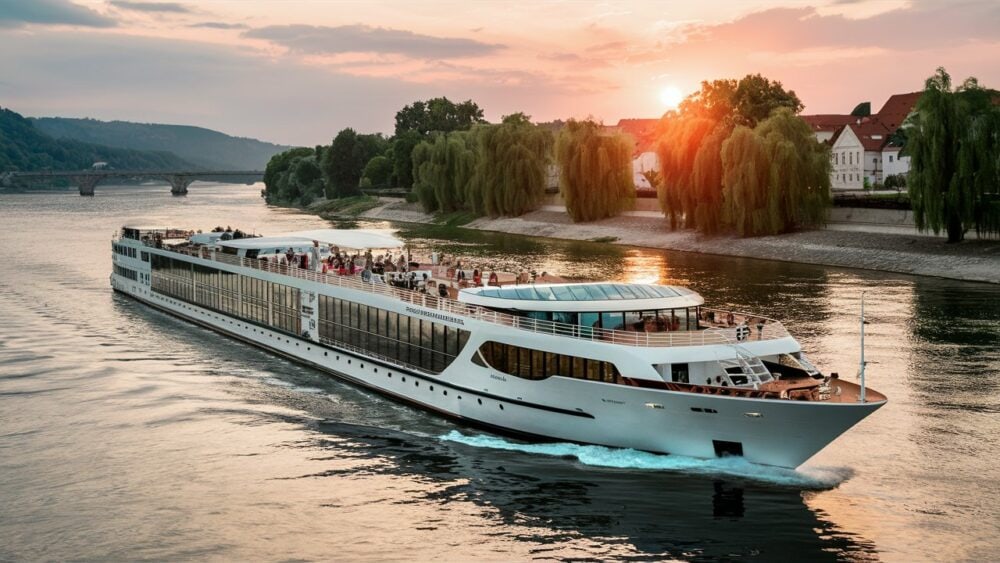
A good way to think of it is that an ocean cruise takes you across the open seas to many different places &/or countries and typically includes days at sea, whereas a river cruise takes you through a country (or countries) offering direct access to villages & towns along the way.
You can read my detailed river cruising guide here.
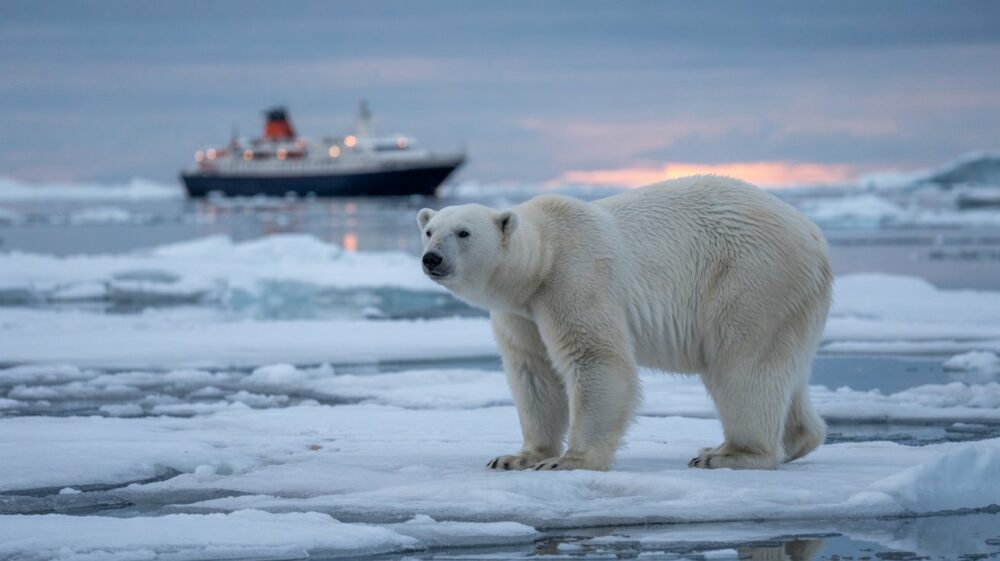
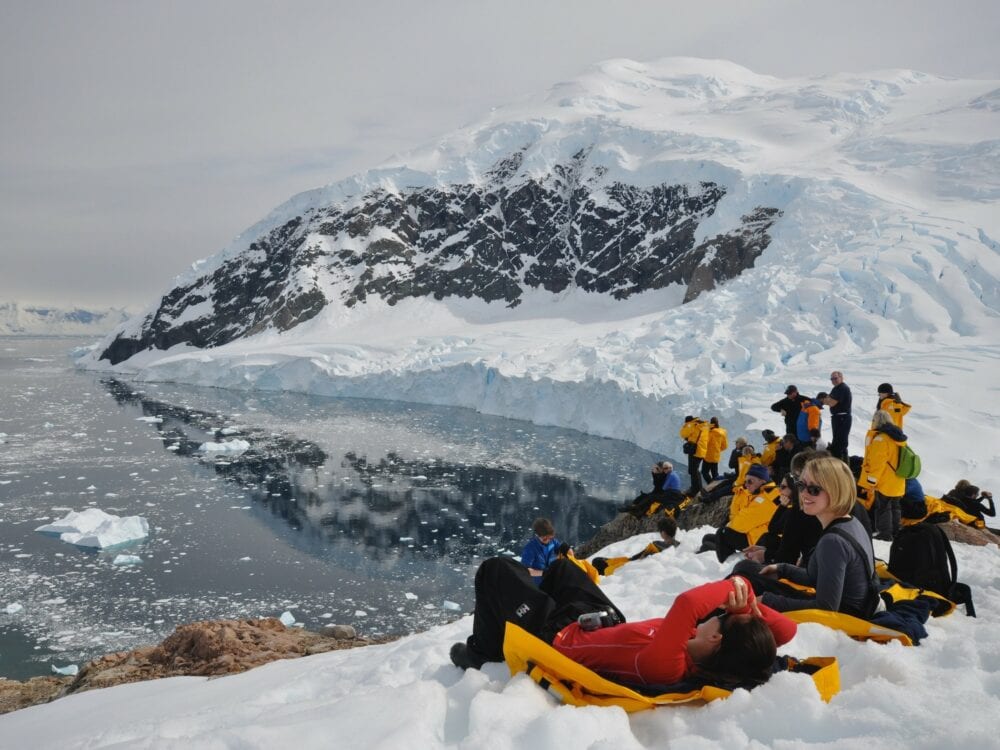
Expedition cruises visit remote regions such as Antarctica, the Arctic, the Galápagos, and the Kimberley. These journeys are led by expert teams and involve Zodiac landings and wildlife exploration.
They suit travellers seeking adventure, education, and close contact with nature.
If you’re considering an expedition cruise and would like a clearer understanding of how these journeys work, you can read my detailed guide here: Expedition Cruising Explained.
Ship Size: How It Shapes Your Experience
Ship size strongly influences atmosphere, service, and onboard life.
Mega Ships (5,000+ passengers) – The Floating Resorts
-
Resort-style facilities
-
Extensive entertainment
-
Ideal for families and multigenerational travel
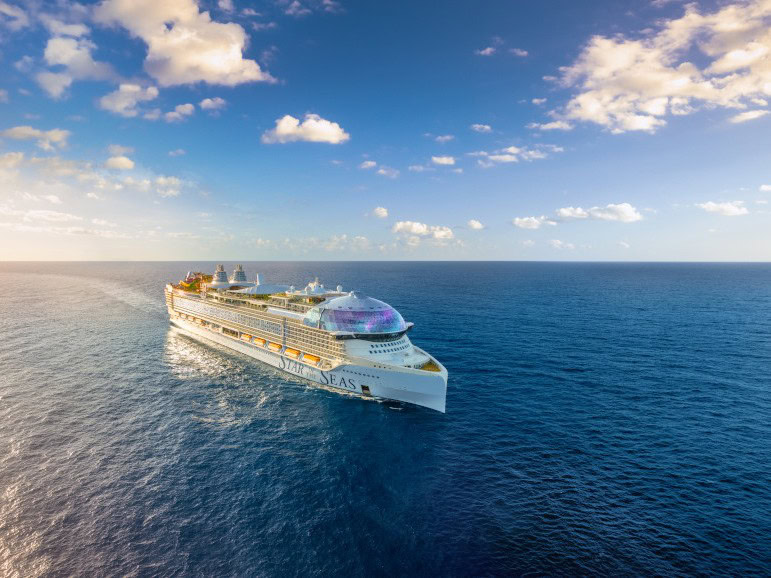
Royal Caribbean Mega Ship: Star of the Seas
Large Ships (2,700-4,999 passengers) – Big Experiences, Less Crowds
-
Broad amenities
-
More refined atmosphere
-
Balance of scale and comfort
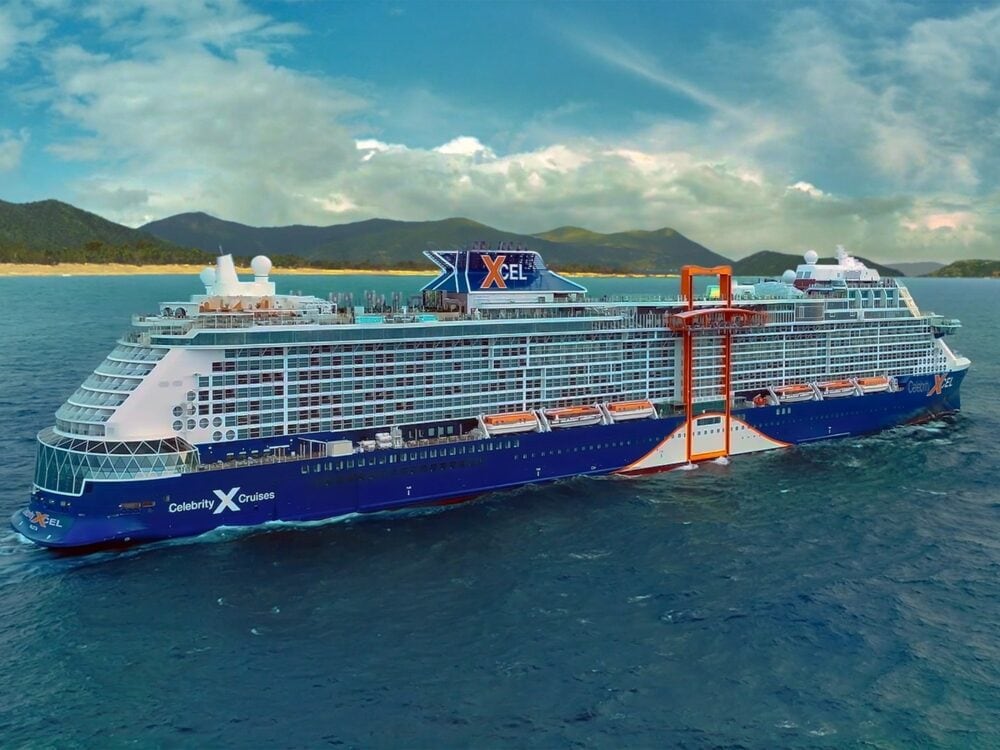
Celebrity XCel
Mid-Size Ships (1,600-2,699 passengers) – A Happy Medium
-
Relaxed environment
-
Strong dining and enrichment programs
-
Fewer crowds
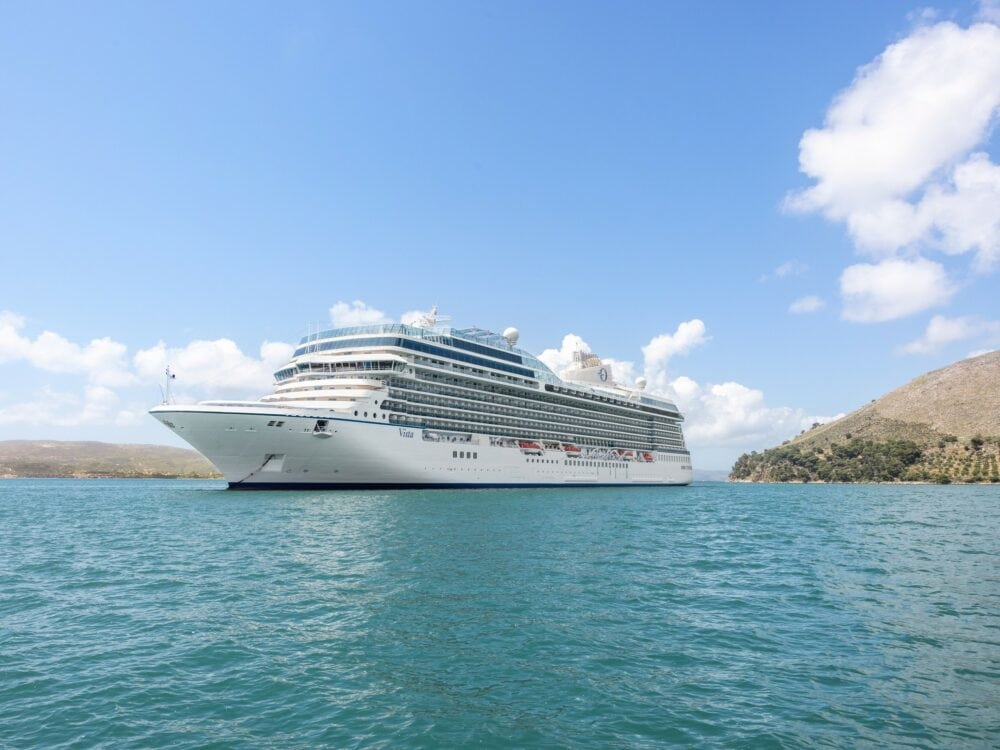
Oceania Vista
Small Ships (Under 800 passengers) – Intimate & Immersive
-
Highly personalised service
-
Immersive itineraries
-
Access to smaller ports
Luxury and expedition lines typically operate in this category.
If you’re considering small-ship or luxury cruising and would like a clearer understanding of the differences between leading brands, I’ve outlined your options here: Small Ship Cruising Explained and Luxury Cruise Lines Guide.
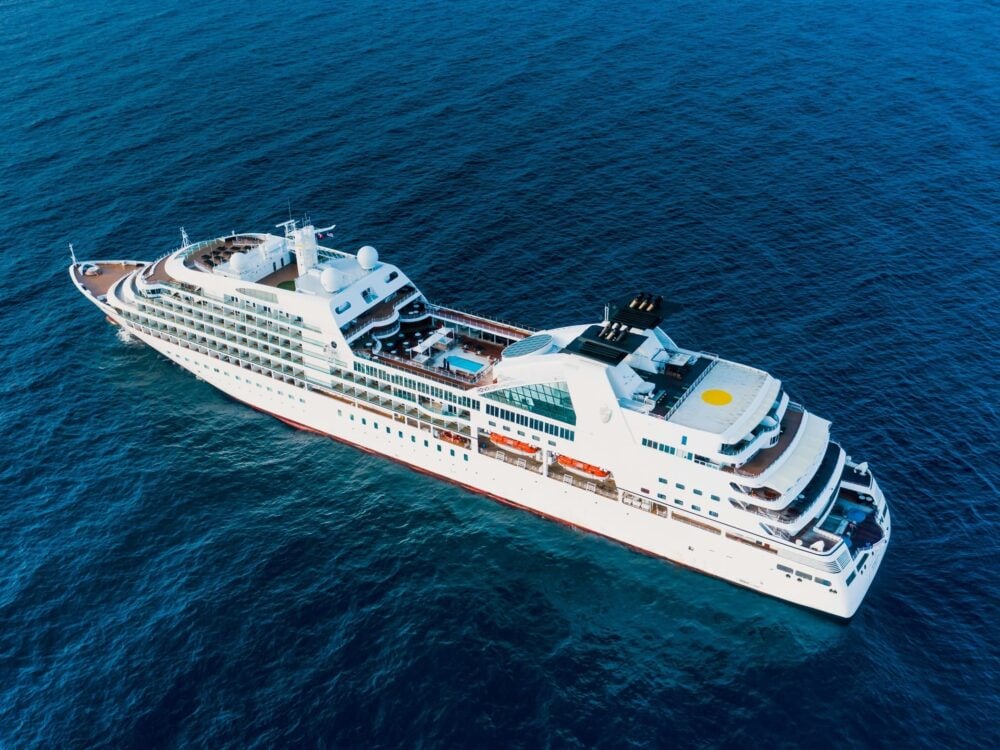
Seabourn Sojourn
Special Consideration: Expedition Cruising & The Antarctica 500, 200, 100 Rule
When it comes to expedition cruising—especially in Antarctica—ship size is even more critical. The International Association of Antarctica Tour Operators (IAATO) enforces strict rules to protect the fragile ecosystem and limit the number of visitors at any given time.
Here’s what you need to know about the 500, 200, 100 rule for Antarctic landings:
-
Ships over 500 passengers: No landings
-
Ships 200–500 passengers: Limited landings
-
Ships under 200 passengers: Full landing access
-
Maximum 100 passengers ashore at one time
Why This Matters
If stepping onto the continent matters to you, choosing a vessel under 200 passengers is essential.
What Pace of Travel Will You Enjoy?
Different cruises move at different rhythms.
Some feature:
-
Relaxed sea days
-
Time for reading and rest
-
Fewer early starts
Others involve:
-
Frequent ports
-
Full-day excursions
-
Structured daily programs
Being honest about your energy levels and preferences helps prevent fatigue and disappointment.
Is the Ship or the Itinerary More Important?
Some travellers choose cruises for the ship itself: dining, design, and onboard atmosphere.
Others choose primarily for destinations and shore experiences.
Knowing which matters more to you helps narrow options quickly and avoid mismatched expectations.
Understanding Cruise Pricing and Real Value
Cruise fares vary widely in what they include.
Lower fares may exclude:
-
Drinks
-
Specialty dining
-
Shore excursions
-
Gratuities
Higher fares often bundle these costs.
Rather than focusing on headline price alone, consider:
-
What is included
-
What you will likely spend onboard
-
The level of comfort and service you expect
Value is personal. The best choice depends on how you travel.
What Travel Style Fits You Best?
Different cruise lines cater to different preferences. Understanding where you fit makes comparisons far easier.
Below you will find links to a series of articles that break down your choices into different categories of cruising:
🔗 Ultra-Luxury & Boutique Cruising – For lovers of space, elegance and curated experiences.
🔗 Expedition & Adventure Cruising – For explorers, wildlife watchers and travellers seeking remote wilderness.
🔗 River Cruising & Cultural Immersion – For travellers who like to take it show, diving into the food, wine and history of a region.
🔗 Ocean Cruising – For families, couples, first-timers, fun-seekers, & solo travellers.
🔗 Small Ship & Enrichment-Focused Cruising – For solos, culture lovers and lifelong learners.
Ocean Extensions & Crossover Brands – For those ready to try something different, without losing the small-ship feel. The brands include PONANT & Seabourn.
What Travellers Most Often Get Wrong
The most common mistake is choosing based on price or ship size alone.
A cruise that looks attractive online can feel overwhelming, underwhelming, or poorly suited once onboard if pace, ports, and atmosphere are misaligned.
Thoughtful planning helps avoid costly compromises.
Why Work With a CLIA Master Cruise Consultant?
With so many cruise options available, choosing confidently can feel challenging.
As a CLIA-accredited Master Cruise Consultant and Top 100 CLIA Cruise Consultant in Australia, I have first-hand experience across cruise lines, ships, and destinations.
My role is to match your preferences with the right product, explain your options clearly, and manage the details so you can travel with confidence.
What I Offer
-
Personalised guidance based on your priorities
-
Access to industry-only offers and inclusions
-
End-to-end planning and support
-
Clear, honest advice without pressure
Cruising is an investment in your time and enjoyment. My role is to help you get the experience that suits you best.
If you’d like a clearer idea of how I work with clients and what to expect from the planning process, you can read more here: Why Work With Me.
FAQs About Choosing the Right Cruise
How do I choose the right cruise for my travel style?
Start with cruise type, ship size, pace, and priorities. From there, options narrow quickly.
What size ship is best for first-time cruisers?
Many enjoy mid-sized ships for balance, but the right choice depends on preferences.
Are cruises suitable for solo travellers?
Yes, though options vary by cruise line and cabin availability.
How long should a first cruise be?
Seven to ten nights is often ideal for first-time travellers.
What is the Antarctica 500/200/100 rule?
It limits passenger numbers ashore to protect the environment.
Is cruising good value compared to land travel?
Often yes, when accommodation, meals, transport, and activities are considered together.
Why use a CLIA Master Cruise Consultant?
You benefit from experience, industry access, and personalised guidance.
Ready to Talk Through Your Options?
If you would like clear, personalised guidance on choosing the right cruise, I am happy to help you explore your options and plan with confidence.


Meet Your Cruise Specialist, Philip
As a CLIA Top 100 Master Cruise Consultant in Australia, my accreditation provides me with specialist knowledge in the luxury cruise space, allowing me to offer expert guidance on selecting the perfect voyage. Read More

Share this on Social Media