

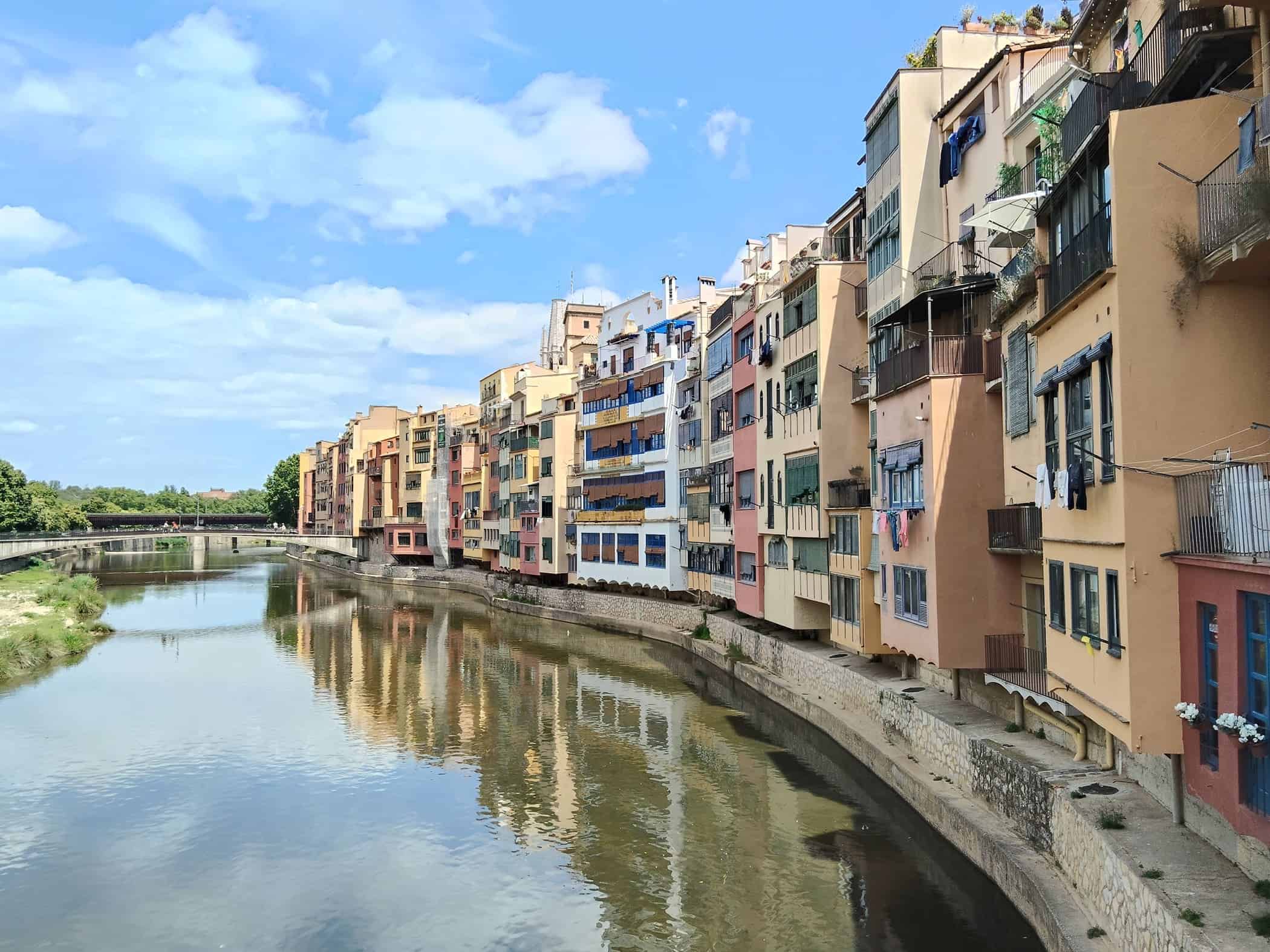
A great European holiday is not just about choosing destinations, cruises, tours or hotels. It is about bringing the right experiences together in a way that suits how you want to travel.
For many Australians, a trip to Europe is not just another holiday. The distance, travel time and investment involved mean it may be something you have thought about for years, perhaps to celebrate a milestone, revisit somewhere meaningful, or finally turn a long-held idea into reality. When you travel that far, it is understandable to want to make the most of it.
Most European holidays begin with inspiration. It might be a photo shared by friends, a city someone recommended, a cruise itinerary that caught your attention, a scenic rail journey you saw online, or a festival or cultural experience you have always wanted to attend. Before long, those individual ideas can become a very long wish list.
The challenge is not finding things to include. It is deciding which experiences belong together, how much time they deserve, and whether the trip will still feel enjoyable once you are actually travelling.
My own travels throughout Europe continue to reinforce that the most memorable moments are not always the famous sights. They are often the result of having enough time to enjoy where you are, understanding how each part of the trip connects, and leaving some room for the experience to unfold.
A memorable European holiday is rarely about fitting in more. It is about creating the right combination of experiences and giving yourself enough time to enjoy them.
In this guide, we’ll explore:
• why planning a European holiday can feel more complicated despite having more information available
• how to decide which destinations and experiences matter most
• how cruises, rail journeys, tours and independent stays can work together
• why timing, accommodation location and travel pace can change your overall experience
• how to bring your ideas together into a European holiday designed around the way you want to travel
✎ Traveller Notes
Before you start choosing the details of your European holiday, write down the experiences that inspired the trip.
- What places first captured your attention?
- Was it a destination, a photo, a recommendation, a cruise, a cultural experience or something you have always wanted to do?
Understanding why you want to visit somewhere often helps shape the rest of your plans.
What Is The Best Way To Start Planning A European Holiday?
The best place to start planning a European holiday is with the experience you want from it. Before comparing itineraries or deciding where to go, think about what matters most to you: the places, interests, pace, and moments you hope will make the trip memorable.
Years ago, one of the challenges of planning an overseas holiday was finding enough reliable information. Today, the problem can be the opposite. You can compare thousands of hotels, read endless reviews, watch travel videos, browse itineraries, use AI planning tools, and collect recommendations from people who have already been there.
All of that information can be useful, but it doesn't necessarily tell you what is right for you. A hotel someone else loved may not suit the way you travel. A highly rated itinerary may move more quickly than you would enjoy. A destination appearing on every “must-see” list may have little to do with the experience you actually want.
Even two people visiting the same country can have completely different holidays. One traveller might picture Italy through Rome, Florence, museums and famous landmarks. Another may prefer smaller towns, local food, countryside stays and unstructured time to wander. Neither is a better way to see Italy. They simply reflect different priorities.
Some of my favourite European experiences have come from the moments between the major sights: exploring smaller towns, discovering local food and having enough time to enjoy where I already am rather than immediately moving on to somewhere else.
That is why I would start with the experience rather than the itinerary. Think about what you hope to remember when the holiday is over. From there, you can make much better decisions about destinations, cruise or rail journeys, organised touring, independent stays and how much you realistically want to include.
The goal is not simply to see Europe. It is to experience it in a way that feels right for you.
✎ Traveller Notes
Think about the type of European holiday you want to create.
Do you imagine:
- exploring famous landmarks and historic cities?
- discovering smaller towns and local experiences?
- travelling independently?
- having more support through cruises, tours or organised experiences?
- combining several different ways to travel?
You don't need to choose just one. The aim is to start recognising the experiences and travel styles that feel most like you.
What Is The Best Way To Experience Europe: Cruise, Rail, Tour Or Independent Travel?
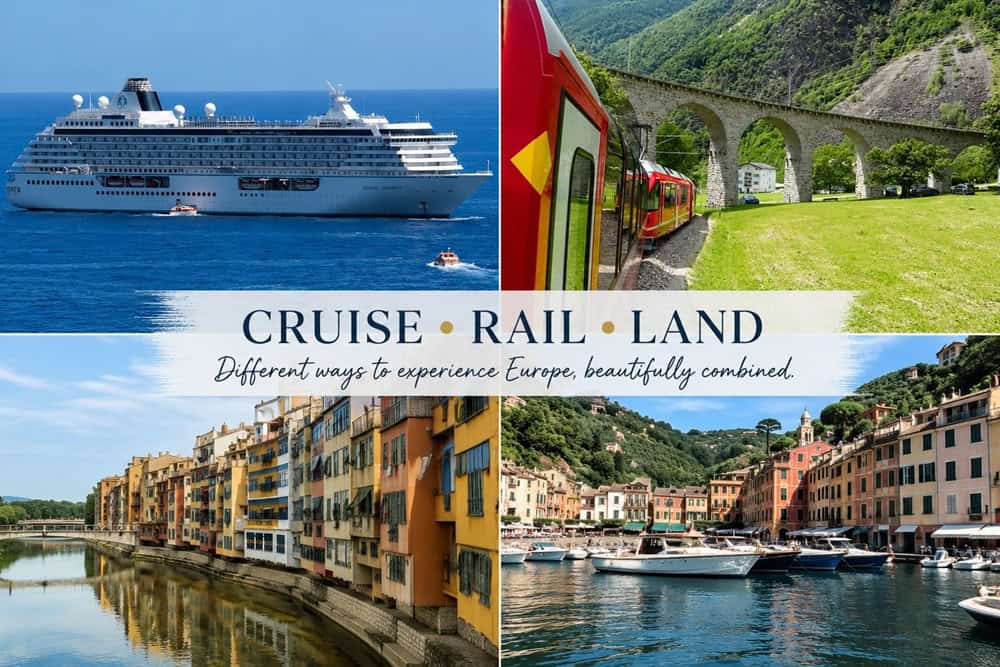
The best way to experience Europe depends on your interests, how independently you like to travel and what you want from your holiday. Cruises, rail journeys, guided tours and independent stays each offer different advantages, and many memorable European holidays combine several rather than relying on just one.
A Mediterranean cruise can work well if you enjoy coastal destinations, unpacking once and returning to familiar surroundings each evening. A river cruise offers a different perspective, travelling through regions and connecting smaller towns, landscapes and historic waterways.
One of my river cruise partners once described the difference beautifully: “Oceans take you to countries. Rivers take you through them.” That explanation has stayed with me because ocean and river cruising are not competing experiences. They simply offer different ways to explore.
Rail can make the journey between destinations part of the experience, whether that means a scenic route through Switzerland or Norway, or simply using Europe's extensive network to travel between cities. It offers considerable independence, although stations, schedules and luggage are practical parts of the experience too.
Guided touring can provide expert knowledge, easier logistics and access to experiences that may be harder to arrange independently. Independent stays, meanwhile, give you more control over your time and can allow you to experience a destination more deeply.
During my own travels, I've found that some of the most rewarding European holidays combine several of these approaches. A cruise might introduce you to somewhere you want to revisit more deeply, a train journey can become a memorable part of the trip itself, and a longer stay can reveal experiences you would have missed on a quick visit.
Rather than asking which way of travelling is best, consider which approach best suits each part of the holiday you want to create.
✎ Traveller Notes
Think about the ways you most enjoy travelling.
Would your ideal European holiday include:
- ocean cruising?
- river cruising?
- scenic rail journeys?
- guided touring?
- independent exploring?
- time to stay longer in places you love?
Many travellers discover the answer is not one style of travel, but the right combination.
How Many Places Should You Visit On A European Holiday?
The number of places you should visit on a European holiday depends on your available time, travel style and how deeply you want to experience each destination. Visiting more places does not always create a better holiday. Allowing enough time in each location often leads to a more rewarding experience.
One of the hardest parts of planning Europe is deciding what not to include. This can be particularly difficult for Australian travellers. After travelling such a long way, it is understandable to look at the map and think, “We’re already so close. Why don’t we add one more place?”
Sometimes that is absolutely the right decision. Another destination might add an experience you would genuinely regret missing. But at other times, it simply adds another travel day without adding much to the holiday itself.
Every change of destination takes time. You need to pack, check out, reach the station or airport, manage your luggage, make the connection, find your next accommodation and settle in again. None of those things is particularly difficult once, but repeating the process every few days can change the rhythm of a trip considerably.
A three-week European holiday with ten stops can look fantastic when you are planning it from home. Once you are actually travelling, however, you may discover that much of the itinerary is being spent moving between the places you came all that way to experience.
That doesn’t mean a busy itinerary is necessarily wrong. Some travellers genuinely enjoy changing destinations regularly and seeing as much as possible. Others get far more from staying longer, exploring beyond the obvious sights and having time when nothing in particular has been planned.
Rather than asking “How much can we fit in?”, I think the more useful question is “Which experiences matter enough to include?”
Sometimes adding another destination creates the highlight of your holiday. Sometimes staying where you are for another day creates the memory you would otherwise have missed.
✎ Traveller Notes
Look at everything you hope to include and ask yourself:
- Which experiences would I genuinely regret missing?
- Which places deserve more time?
- Am I adding something because it matters to me, or simply because it is nearby?
- Have I allowed enough time to enjoy the holiday, not just complete the itinerary?
Does Your European Itinerary Work In Reality?

A European itinerary that looks good on paper does not always work quite the same way once you are travelling. Travel days, luggage, connections, accommodation locations and the pace of the trip can all influence how enjoyable the holiday feels in practice.
My own travels keep reinforcing this. Even after years of planning travel, I am regularly reminded that seemingly small details can have a much bigger impact once you are actually there.
Rail is a good example. A scenic journey through Switzerland can be one of the highlights of a holiday, but the experience is not only about the view from the window. On my recent trip through Switzerland, I was reminded how much platform changes, luggage storage and navigating busy stations can affect a travel day. None of it was unmanageable, but those practical details matter when deciding how much moving around you really want to do.
Accommodation can be similar. A hotel or apartment in the heart of an old town may look perfect online, but access can be very different from staying in a modern city hotel. In Marseille, I stayed in an apartment near the Vieux-Port that involved three flights of stairs with no lift. The location was excellent, but carrying luggage up and down those stairs was part of the reality of staying there.
Elsewhere in Europe, historic centres may have restricted vehicle access, limited parking or pedestrian-only streets. A resort on Santorini’s caldera may offer extraordinary views, but your transfer may not be able to reach the entrance. A self-drive visit to Córdoba’s historic centre may seem straightforward until you need to work out where to leave the car before walking in to see the Mezquita.
None of these are reasons not to choose those places. In fact, staying among historic streets, character buildings and extraordinary views can be one of the most memorable parts of a European holiday. The important thing is understanding how the location works before you arrive.
That means asking practical questions alongside the exciting ones. Where can your transfer collect you? How far is the station from your accommodation? Will you be carrying luggage over cobblestones or up stairs? Is there enough time between connections? How much energy will you realistically want to spend moving from place to place?
These details rarely appear in the beautiful photos, but they can shape the experience considerably.
The aim is not to eliminate every unexpected moment. Some of my favourite travel memories have come from independent journeys, train travel, smaller towns and plans that changed along the way. The aim is simply to make thoughtful choices so that practical issues do not take over the holiday you travelled so far to enjoy.
How Do You Create A European Holiday That Works From Start To Finish?
Creating a European holiday that works from start to finish means thinking about the order, pace and connection between each part of the trip. The same destinations and experiences can feel very different depending on when you visit them, how you travel between them and what comes before or afterwards.
For example, you might want to consider whether to begin with a busy city stay immediately after a long flight, or allow yourself time to adjust first. An active touring or independent section might work well before something more relaxed, while finishing with a cruise can provide a very different ending from spending the final few days packing, changing hotels and navigating transport.
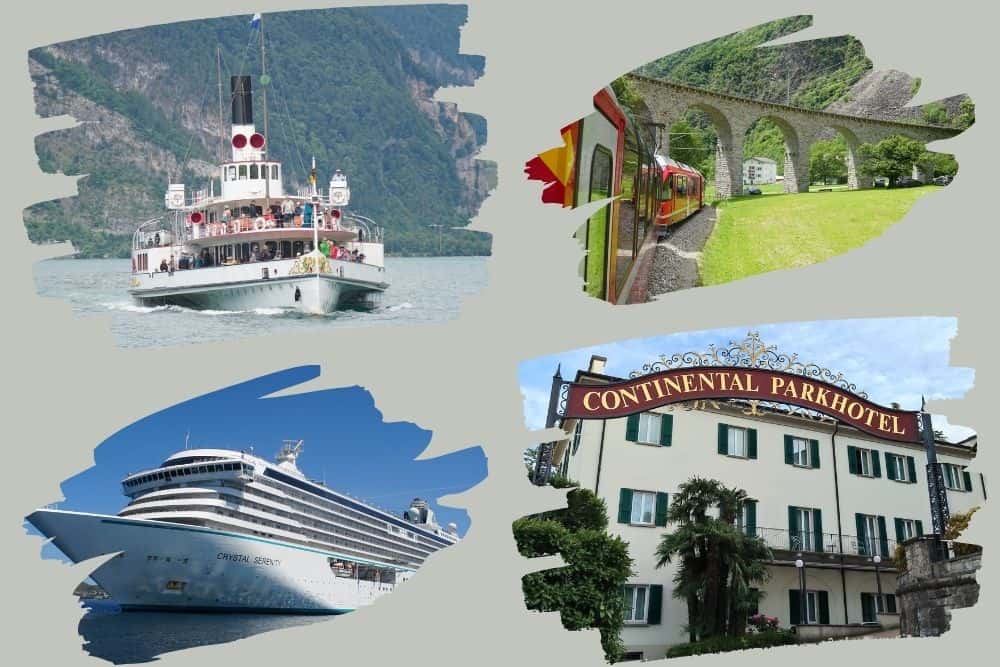
I was reminded of this recently when I combined rail travel through Switzerland with a Mediterranean cruise. The Swiss rail journeys were spectacular, with incredible scenery and memorable destinations, but travelling independently also meant managing luggage, changing hotels and staying organised along the way.
Looking back, reversing the order may have created a different rhythm: enjoying the more active rail journey first, then finishing with the ease of unpacking once and letting the cruise take care of the moving.
There was nothing wrong with the holiday as I experienced it. It simply reinforced that good travel planning is not only about choosing wonderful places and experiences. The order in which you put them together can influence how the entire trip feels.
Look at the order and rhythm of your European holiday. Ask yourself:
- Have I allowed time to adjust after long flights?
- Have I balanced busier days with time to slow down?
- Does each destination connect logically to the next?
- Would changing the order of any experiences make the trip flow better?
- Am I finishing the holiday in a way that feels right for me?
Sometimes the same experiences arranged differently can create a very different holiday.
Is It Worth Using A Travel Advisor To Plan A European Holiday?

Using a travel advisor can be particularly valuable when your European holiday involves several destinations, different ways of travelling or experiences that need to work together. The role is not to replace your ideas or research, but to help turn them into a trip that works in practice.
Many travellers enjoy researching their holidays, and I think that is a good thing. It helps you discover destinations, compare experiences and work out what excites you. The challenge often comes later, when you have collected a long list of possibilities and need to decide which ones genuinely belong together.
That is where experienced advice can make a difference. Does the cruise suit what you want from the trip? Is a rail journey the best way to connect those destinations? Does the hotel location work with your transport arrangements? Have you allowed enough time, or are you creating a holiday that will feel rushed once you are there?
Sometimes my role is to suggest an option a client had not considered. At other times, it is confirming that the ideas they already have make sense, identifying a practical issue before it becomes a problem, or explaining the trade-offs between several good choices.
Budget is part of that conversation too. I don't see it simply as a question of spending more or less. It helps determine where your travel investment will make the greatest difference. That might mean choosing a better-located hotel, improving a flight or transport arrangement, selecting the cruise experience that suits you better, or protecting the budget for something you have always wanted to do. Saving in one area can also make room for something that matters more.
My own travels throughout Europe influence this process considerably. Experiences such as travelling independently by rail, staying in historic centres, cruising the Mediterranean and navigating the practical realities of luggage, transfers and travel days all shape the questions I ask when planning for clients.
Ultimately, good travel planning is not about booking every component individually. It is about understanding what matters to you and making sure the destinations, experiences, timing, logistics and budget support the holiday you want to have.
If you'd like to know more about my background, experience and approach, you can read Why Work With Me.
✎ Traveller Notes
Before making your final decisions, look at the holiday as a whole.
- Does it include the experiences that matter most to me?
- Have I allowed enough time to enjoy each place?
- Does the way I am travelling suit my preferences?
- Have I considered practical details such as flights, connections, luggage and accommodation locations?
- Is my budget being used where it will make the greatest difference?
- Do all the parts of the trip work well together?
Discover Your Thoughtful Traveller Style
You may now have a clearer idea of what you want from your European holiday, but knowing how you like to travel can be just as useful as deciding where you want to go.
I created the Thoughtful Traveller Quiz to help you explore what motivates you to travel, how you prefer to experience a holiday and some of the practical choices that can shape your plans. Your answers identify your Travel Motivation and Travel Style, giving you another way to think about the experiences, pace and type of holiday that may suit you.
At the end, you can receive your personalised Thoughtful Traveller Planning Summary, with insights and questions to help you start bringing your ideas together.
Already Have A Trip In Mind?
If you already have destinations, a cruise, rail journey or other ideas you would like help bringing together, you are also welcome to book a travel planning appointment.
Frequently Asked Questions
What is the best way to plan a European holiday?
The best way to plan a European holiday is to start by understanding what you want to experience, not simply choosing destinations from a list. Consider your interests, travel pace, budget and preferred style of travel before deciding how cruises, rail journeys, tours, accommodation and transport fit together.
How long should Australians spend in Europe?
Many Australian travellers spend several weeks in Europe because of the distance, flight time and investment involved in travelling there. The ideal length depends on your destinations, available time and travel style, but allowing enough time in each place often creates a more enjoyable holiday than trying to include too many stops.
Can you combine a European cruise with rail travel?
Yes. Combining a European cruise with rail travel can be an excellent way to experience different sides of Europe. A cruise can simplify exploring coastal regions, islands or rivers, while rail travel can connect cities, countryside regions and inland destinations before or after your cruise.
Should you do a European cruise before or after land travel?
The best order depends on your itinerary and travel preferences. Some travellers enjoy starting with independent travel, rail journeys or touring before finishing with the ease of a cruise. Others prefer cruising first, then extending their holiday with extra time exploring on land.
What is the biggest mistake people make when planning a Europe trip?
One of the biggest mistakes is focusing only on how many places you can visit rather than how the holiday will feel once you are actually there. Travel days, luggage, hotel changes, transport connections and limited time in each destination can all affect your overall experience.
Should I use AI to plan my European holiday?
AI planning tools can be helpful for discovering ideas, comparing destinations and creating a starting point. However, AI suggestions still need to be reviewed against your personal interests, travel style, realistic timing, logistics and what you want from your holiday.
Is it better to book a Europe package or create a personalised itinerary?
A package can work well when it matches your interests, budget and travel style. A personalised itinerary may be better if you want to combine different experiences such as cruising, rail travel, touring, festivals, special events or extended stays.
Is it worth using a travel advisor for Europe?
A travel advisor can help turn ideas and research into a European holiday that works in reality. This can be especially valuable for longer trips involving multiple destinations, different transport options, cruises, tours and experiences.