

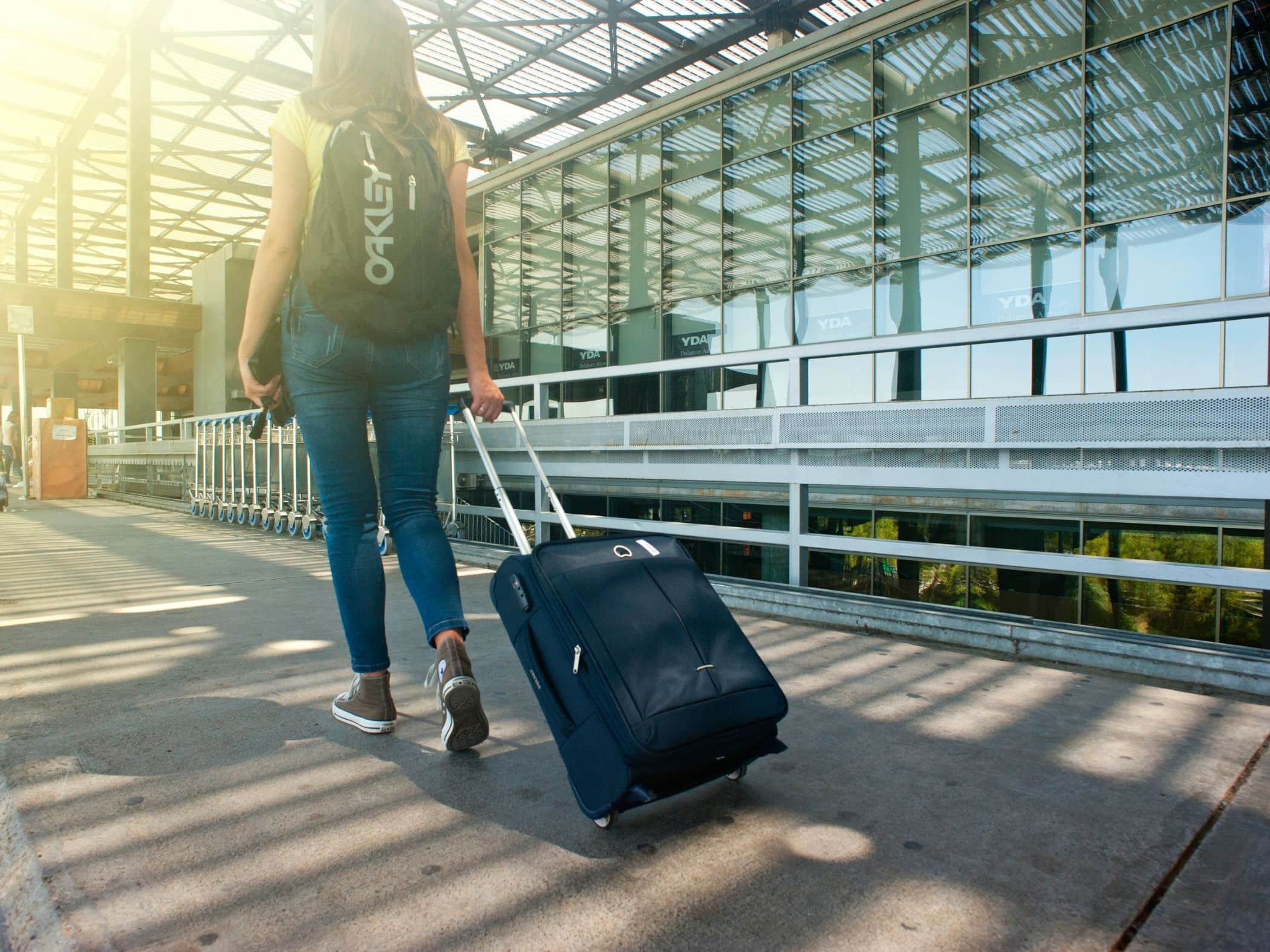
Solo Travel Journey Overview
Getting from your home to your hotel alone becomes far more manageable when you:
-
Choose flights with comfortable connection times
-
Check in online before departure (where possible)
-
Allow extra time at the airport
-
Request assistance in advance, if needed
-
Pre-arrange transfers on arrival
-
Keep your first evening simple and low-pressure
With preparation and realistic expectations, the journey itself often becomes easier than anticipated.
For many solo travellers, the destination is not the part that causes hesitation.
It is the journey there.
Negotiating airports. Managing luggage. Finding the right transfer in an unfamiliar place. Handling unexpected changes without someone beside you.
These are sensible concerns.
Common Solo Travel Concerns
Many first-time solo travellers worry about:
-
Getting lost in airports
-
Managing luggage alone
-
Missing connections
-
Finding transfers in unfamiliar countries
-
Handling unexpected disruptions
-
Feeling overwhelmed on arrival
The good news is that airports and travel systems are structured environments. With thoughtful preparation and a few practical strategies, travelling from your front door to your hotel room can feel far more manageable than you might expect.
If you’re at the beginning of the process, start with travelling solo with confidence before you focus on logistics.
This guide walks through each stage calmly and clearly.
1. How Do You Prepare for Solo Travel Before Leaving Home?
Much of the stress people associate with solo travel is reduced before the journey even begins.
Start with flight choices. If possible, avoid very tight connections, particularly when transferring between domestic and international terminals. Allowing generous time between flights creates breathing space and reduces pressure if there are delays.
Seat selection also matters. Some travellers prefer an aisle seat for easier access to the bathroom and the ability to stand and stretch. Others feel more settled by the window. There is no right choice, only what feels most comfortable to you.
Check in online the day before departure if your airline allows it. This reduces the number of steps required at the airport.
Keep travel documents organised in a slim folder within your handbag or carry-on bag. Have both printed copies and digital versions saved on your phone. It is also wise to keep key contact details printed separately in case your phone battery fails.
Pack lighter than you think you need. A single, well-balanced suitcase that you can comfortably manage is far easier than two heavy pieces. Consider whether you can lift your case into a taxi boot without strain.
Arrange your transport to the airport in advance. Whether that is a pre-booked taxi, airport transfer or lift from a family member or friend, knowing how you are getting there removes uncertainty on departure morning.
Preparation is not about over-planning. It is about reducing decision-making when you are tired.
If you would like support planning flights, transfers or timing, you can explore my approach to solo travel planning.
Before You Leave Home — Simple Checklist
-
Confirm flight times and terminals
-
Check in online if available
-
Pack documents in an accessible folder
-
Arrange airport transport
-
Save digital copies of bookings
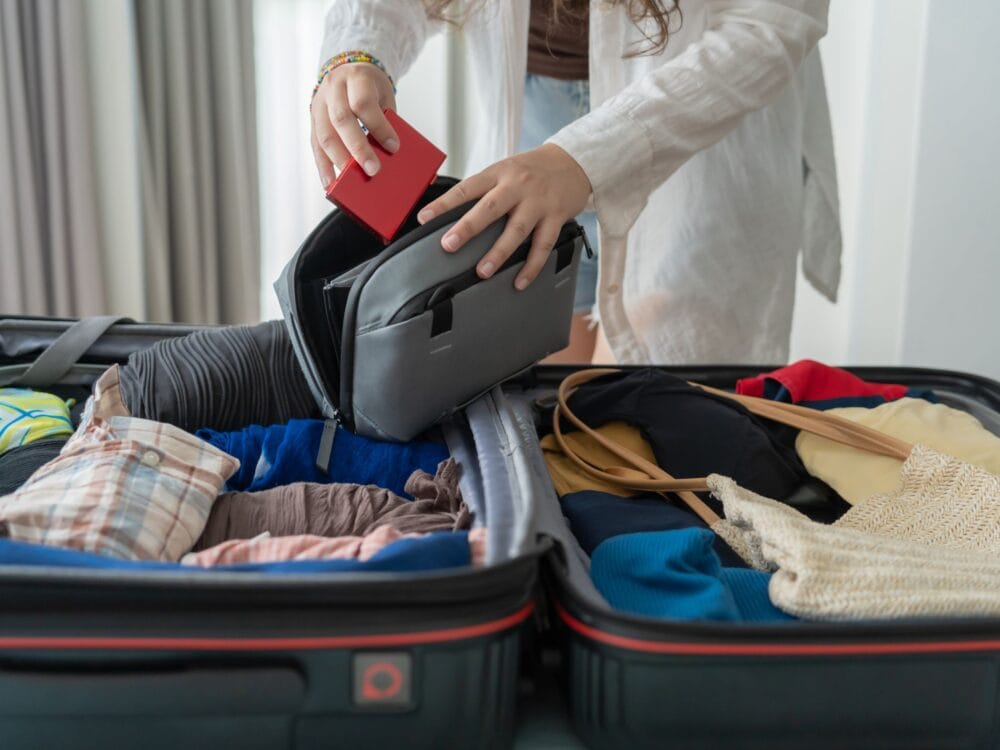
Image by charliepix from charliepix
2. What Happens at the Airport When You Travel Alone?
Airports today look different from how many people remember them.
At most Australian domestic airports, and increasingly international ones, you will be asked to use a self-service kiosk to check in and print bag tags before proceeding to a self-drop baggage unit.
For confident, frequent travellers this is routine. For others, it can feel unexpectedly daunting.
If this concerns you, allow extra time. When you are not rushing, the process feels far more manageable.
You are not expected to know how the machines work. There are usually airline staff assigned to the kiosk area, even if they are moving between passengers. If someone is assisting another traveller, wait nearby rather than walking away. It is entirely reasonable to say, “I have not done this before, could you please guide me through it?”
If you genuinely cannot locate assistance, look for the traditional check-in counter area for special assistance, the airline service desk, or an airport information counter.
Checking in online before arrival can also simplify the process. That way, you are only printing bag tags or scanning a boarding pass.
The key is not speed. It is calm.
Can You Get Help at Airports When Travelling Alone?
For some travellers, particularly those helping an elderly parent or travelling after many years away from airports, additional assistance can provide significant peace of mind.
Meet and greet services are sometimes available through airlines or specialist airport providers. These services may assist with:
-
Navigating check-in kiosks and baggage drop
-
Moving between domestic and international terminals
-
Escorting from the aircraft gate through immigration and customs
-
Connecting between flights in unfamiliar airports
-
Guiding travellers from arrivals to a pre-arranged transfer
This can be especially reassuring when transferring between terminals or arriving into a large overseas airport for the first time.
It is important to understand that meet and greet services are not always available. They vary by airport and airline, and approval is at the discretion of the airline or service provider. Availability can also change depending on staffing and operational conditions.
Because of this, assistance needs should be discussed well in advance rather than assumed at short notice.
Most airlines also offer mobility or airport assistance upon request. This may include wheelchair support, priority boarding or guided help through the terminal. There is no requirement to have a visible disability to request support. Many travellers simply appreciate a little extra guidance.
Asking for assistance is not a weakness. It is sensible planning.
For some travellers, particularly when confidence is still developing, starting with small group tours designed specifically for solo travellers can also remove much of the uncertainty, as support is provided throughout the journey.
Airport Stage — Quick Tips
-
Arrive earlier than you think you need
-
Ask staff for help if unsure
-
Follow signage rather than crowds
-
Keep boarding pass easily accessible
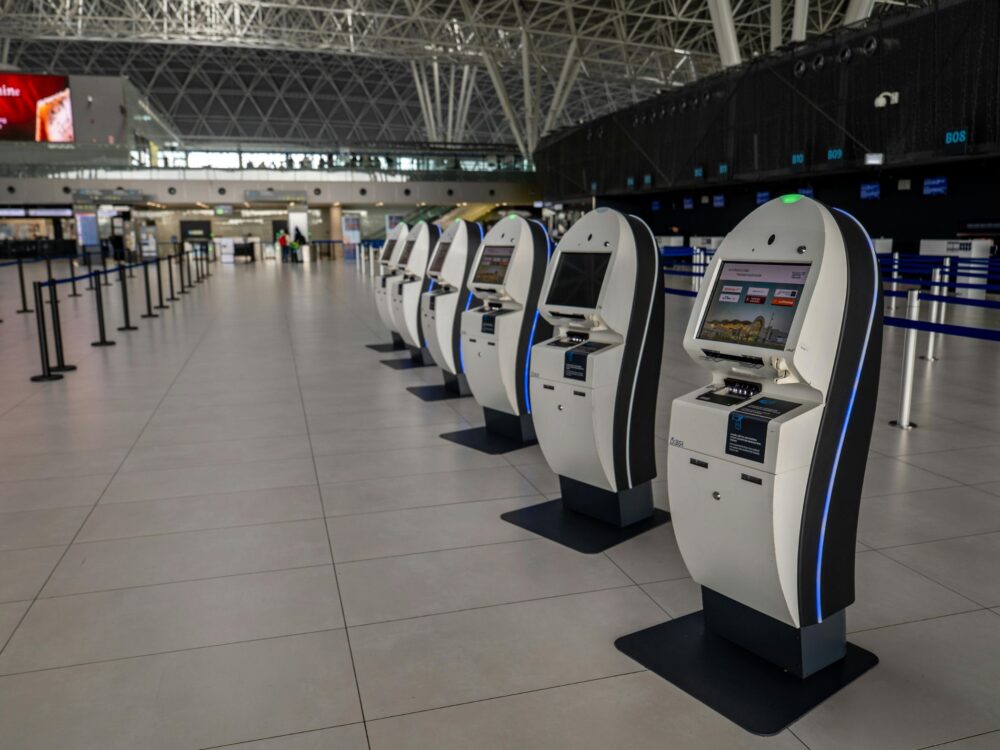
Image by Vladimir Srajber from Pexels
3. Is Flying Alone Difficult for Solo Travellers?
Flying alone can feel more daunting beforehand than it does once you are seated.
Cabin crew are attentive, and solo travellers are extremely common.
Simple strategies help maintain comfort:
Stay hydrated and drink water regularly.
Stand and stretch during longer flights.
Keep essential items within easy reach in your seat pocket.
Bring a light scarf or cardigan for temperature changes.
Download the airline’s app for real-time updates.
If you feel anxious or unwell, speak to cabin crew. That is what they are there for.
Sleeping poorly on long-haul flights is common and manageable. Remind yourself that arrival day does not require perfection. It requires steadiness.
During the Flight — Comfort Checklist
-
Drink water regularly
-
Move and stretch when possible
-
Keep essentials within reach
-
Rest when you can
4. What Should You Expect When Arriving in a New Country Alone?
For many travellers, this is the stage that feels most uncertain.
In reality, airports operate in a predictable sequence:
Immigration
Baggage collection
Customs
Arrivals hall
Follow signage rather than crowds. Signs are clearer than they first appear.
Arrival cards are often distributed during the flight, giving you time to complete them calmly before landing.
If you require currency, use official airport counters rather than informal exchange offers. Pre-downloading offline maps before departure can also provide reassurance once you step outside.
If you have pre-booked a transfer, confirm in advance where your driver will meet you. This information should be clearly written in your travel documents. Drivers typically wait in designated meeting areas holding a sign with your name.
If taking a taxi, use official ranks or counters within the airport.
Large airports may feel overwhelming at first glance, but when taken one step at a time, they become structured and logical.
Arrival Stage — Checklist
-
Follow airport signs step-by-step
-
Keep transfer instructions accessible
-
Use official taxi or transfer services
-
Message family once you arrive safely

Image by Why Kei on Unsplash
5. What Should You Do on Your First Night When Travelling Solo?
Arrival day is not the day to accomplish everything.
Check in. Freshen up. Eat something simple. Drink water.
Send a quick message to family or friends to let them know you have arrived safely.
A short walk near your accommodation can help you orient yourself without pressure. Leave deeper exploration for the following day when you feel rested and grounded.
The next morning almost always feels clearer.
My Perspective as a Travel Advisor
In my experience arranging travel for solo clients, the biggest source of anxiety is rarely the destination itself. It is the logistics of getting there. Once travellers complete their first solo journey successfully, confidence grows quickly, and future trips feel significantly easier.
In some situations, particularly when confidence is still developing, I may suggest starting with small group tours or escorted journeys. These itineraries often include airport meet-and-assist on arrival and a host or tour manager throughout the trip, which removes much of the uncertainty around logistics. Once travellers experience how manageable international travel feels with that support, many go on to travel independently with far greater confidence.
Final Thoughts
Travelling solo does not mean managing everything alone.
It means travelling independently, with thoughtful preparation and support where it matters.
For many people, the concern is not the destination. It is the process of getting there. Once that first journey is completed smoothly, confidence grows quickly.
If the logistics feel daunting, I am always happy to arrange flights, seating preferences, transfers and assistance where available, so that the journey feels straightforward from start to finish.
I regularly assist solo travellers with flights, airport support, transfers and accommodation planning through my solo travel planning support, particularly when confidence is still building. For those who prefer additional reassurance, you can also explore small group tours for solo travellers, where guidance is provided throughout the journey.
Sometimes knowing the details are taken care of is all that is needed.
Frequently Asked Questions
Is it safe to travel alone through airports?
Yes. Airports are structured environments with clear processes and staff available to assist. Allowing extra time and asking for help when needed makes the experience much easier.
Can airports provide assistance for solo travellers?
Many airlines offer assistance services, including mobility support, guidance through terminals and priority boarding. Some airports also offer meet and greet services, although availability varies.
Should I book airport transfers in advance?
Pre-booking transfers removes uncertainty on arrival and can significantly reduce stress, particularly in unfamiliar destinations.
What is the hardest part of solo travel?
For many people, it is the first journey. Once travellers successfully complete their first solo trip, confidence usually increases quickly.
What if I feel overwhelmed while travelling alone?
Pause, breathe, and focus on one step at a time. Travel environments are designed to guide passengers through each stage sequentially.


Meet Your Experienced Solo Travel Advisor, Philip
I've always believed that travel isn't just about ticking boxes — it's about meaningful experiences that enrich your life. Born and raised in Darwin, I grew up surrounded by diverse cultures, big skies, and a strong sense of connection — all of which shaped the way I see the world. Read More
