

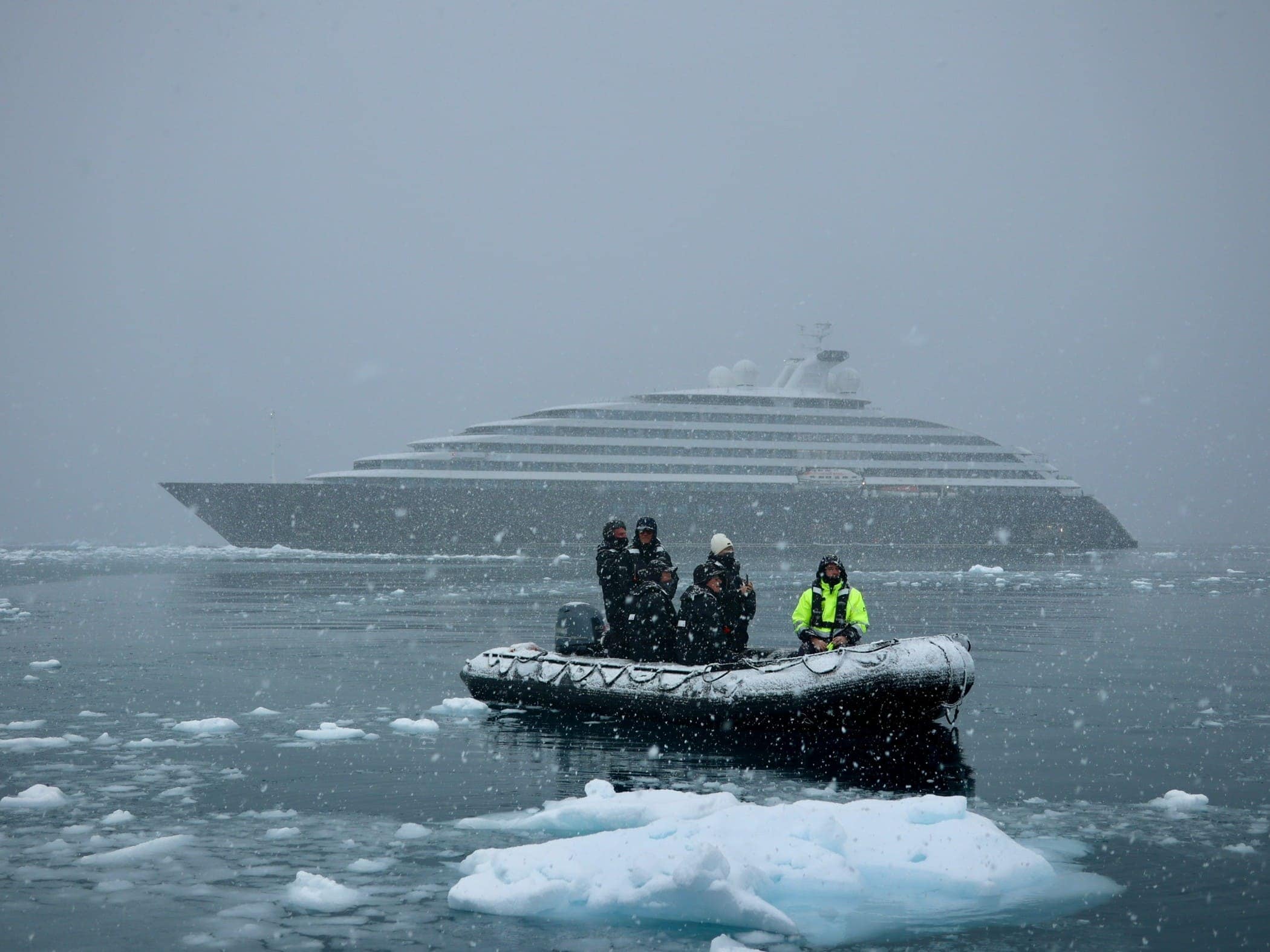
For many travellers, cruising is associated with relaxation and entertainment. Expedition cruising, however, is designed for those seeking deeper understanding and responsible access to remote environments.
It is built for people who want to understand the places they visit, not simply pass through them. Expedition travel prioritises learning, access, and responsibility over fixed schedules and onboard spectacle. Days are shaped by weather, wildlife, and opportunity rather than pre-set timetables. The focus is not on how many ports you collect, but on how deeply you engage with each environment.
My interest in this style of travel has been shaped by both professional training and personal perspective. Growing up in the Northern Territory and travelling through remote parts of Northern Australia, I've learnt that wild landscapes are not backdrops. They are living systems that demand respect, patience, and care. Later, through my work in the travel industry, including CLIA Master training and Polar Pro certification with Quark Expeditions, I developed a deeper understanding of how expedition voyages operate and why they are structured the way they are.
Expedition cruising attracts travellers who are curious, thoughtful, and open to uncertainty. It suits people who value context as much as comfort, and meaning as much as movement. It is not about chasing extremes or ticking off destinations. It is about slowing down, asking questions, and allowing a place to reveal itself.
This expedition cruise guide is designed to help you understand what is involved before you commit. Whether you are considering Antarctica, the Kimberley, the Arctic, the Galapagos, expedition-style river journeys in Africa or South America, or other remote regions, my aim is to help you make informed, thoughtful decisions.
What Is Expedition Cruising?
Expedition cruising is a form of small ship travel that uses purpose-built vessels and expert-led landings to help travellers understand remote environments through direct, guided experience.
Unlike conventional cruising, expedition voyages are built around exploration and education. Ships typically carry between 100 and 250 guests and are designed to operate safely in challenging environments such as polar regions, remote coastlines, and protected marine areas.
A defining feature of expedition cruising is flexibility. Itineraries are adjusted in response to weather, wildlife, water levels, and regulatory conditions, allowing operators to take advantage of rare opportunities. This is one of the key reasons many travellers search for what expedition cruising is and how it works before booking.
Equally important is the role of expert teams. Naturalists, scientists, historians, and regional specialists provide briefings and lead excursions, transforming observation into understanding.
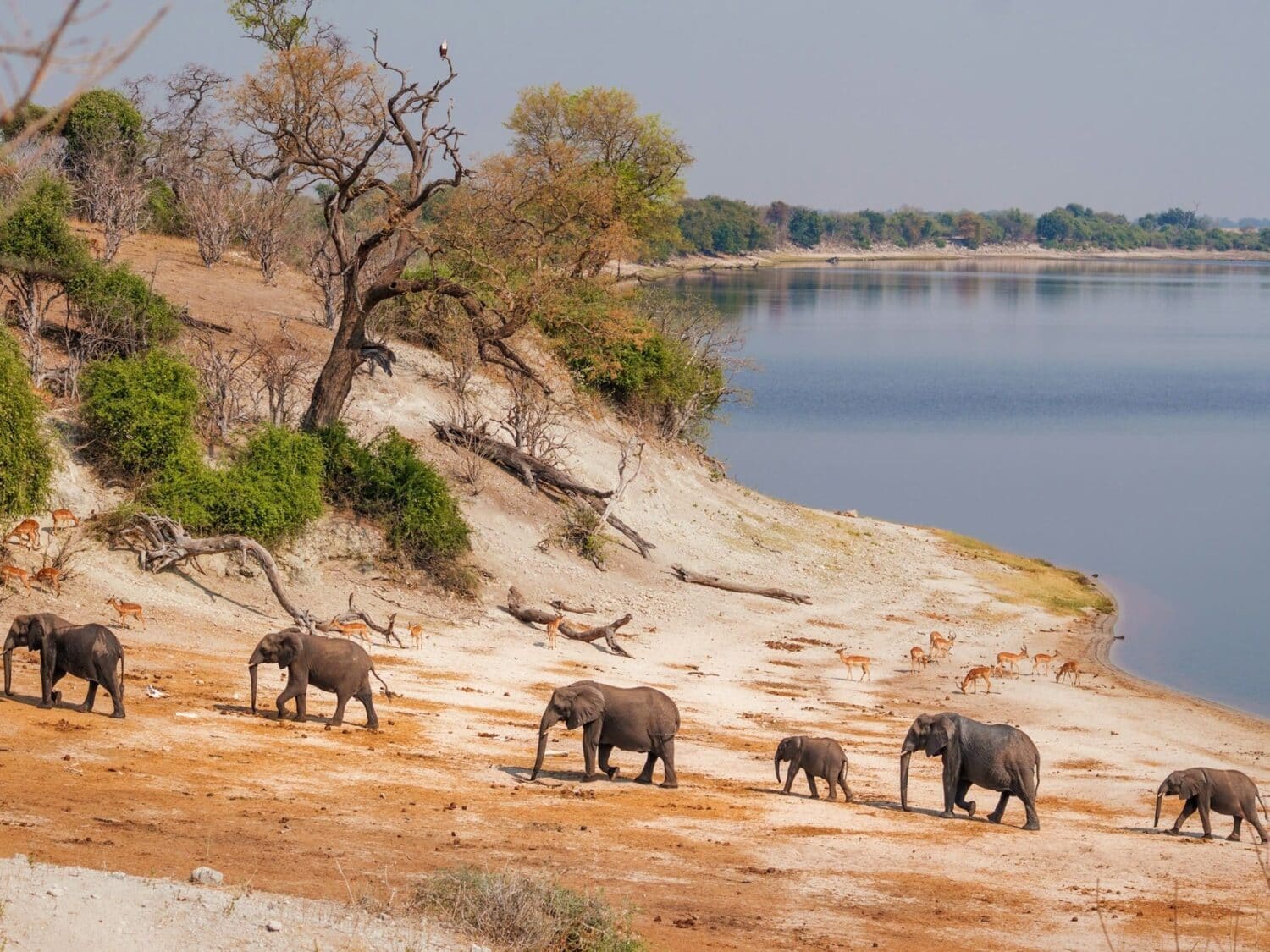
While expedition cruising is most often associated with oceans and polar regions, some river voyages also follow an expedition-style model. Routes such as the Chobe River and Colombia’s Magdalena River emphasise expert-led exploration and conservation.
Rather than focusing on entertainment venues, expedition ships prioritise observation spaces, lecture rooms, and operational facilities. Comfort supports the experience rather than defining it.
In essence, expedition cruising combines maritime or river travel, field-based exploration, and structured learning in environments few people can reach independently.
Why Does Expedition Cruising Appeal to Curious Travellers?
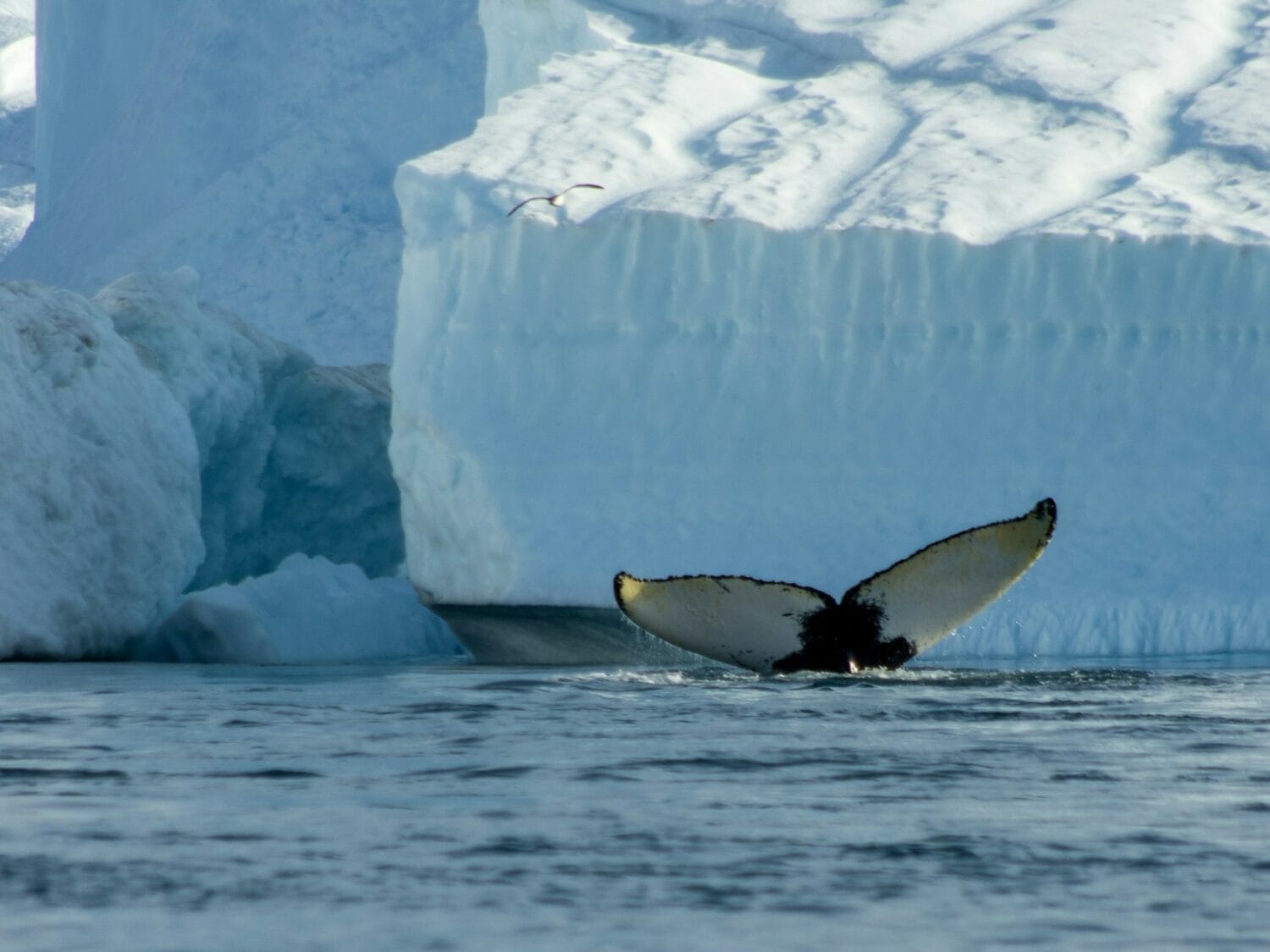
Expedition cruising appeals most to curious, flexible travellers who are asking, “Is expedition cruising right for me?” and who value learning, conservation, and meaningful engagement.
At the centre is curiosity. Guests want to understand landscapes, ecosystems, and cultures, not simply photograph them.
Flexibility is essential. Weather systems, ice conditions, and wildlife movements regularly affect plans. Travellers who thrive in this environment embrace change.
Learning is central. Onboard lectures, informal discussions, and guided exploration form part of the value.
There is also a strong ethical dimension. Many expedition travellers are motivated by sustainability and responsible access.
Finally, expedition cruising suits those who appreciate meaningful comfort rather than constant stimulation.
For travellers who recognise themselves in these characteristics, expedition cruising offers rare depth and fulfilment.
How Do Expedition Cruises Actually Work?
Expedition cruises operate through daily briefings, flexible itineraries, small-group landings, and strict safety systems, which explains how expedition cruising works in remote environments.
Each day begins with planning sessions led by expedition teams. Guests receive briefings on weather, safety, and environmental protocols.
Activities are conducted in small rotating groups to minimise impact and improve engagement.
Itineraries include contingency options. Adaptability is a professional strength rather than a weakness.
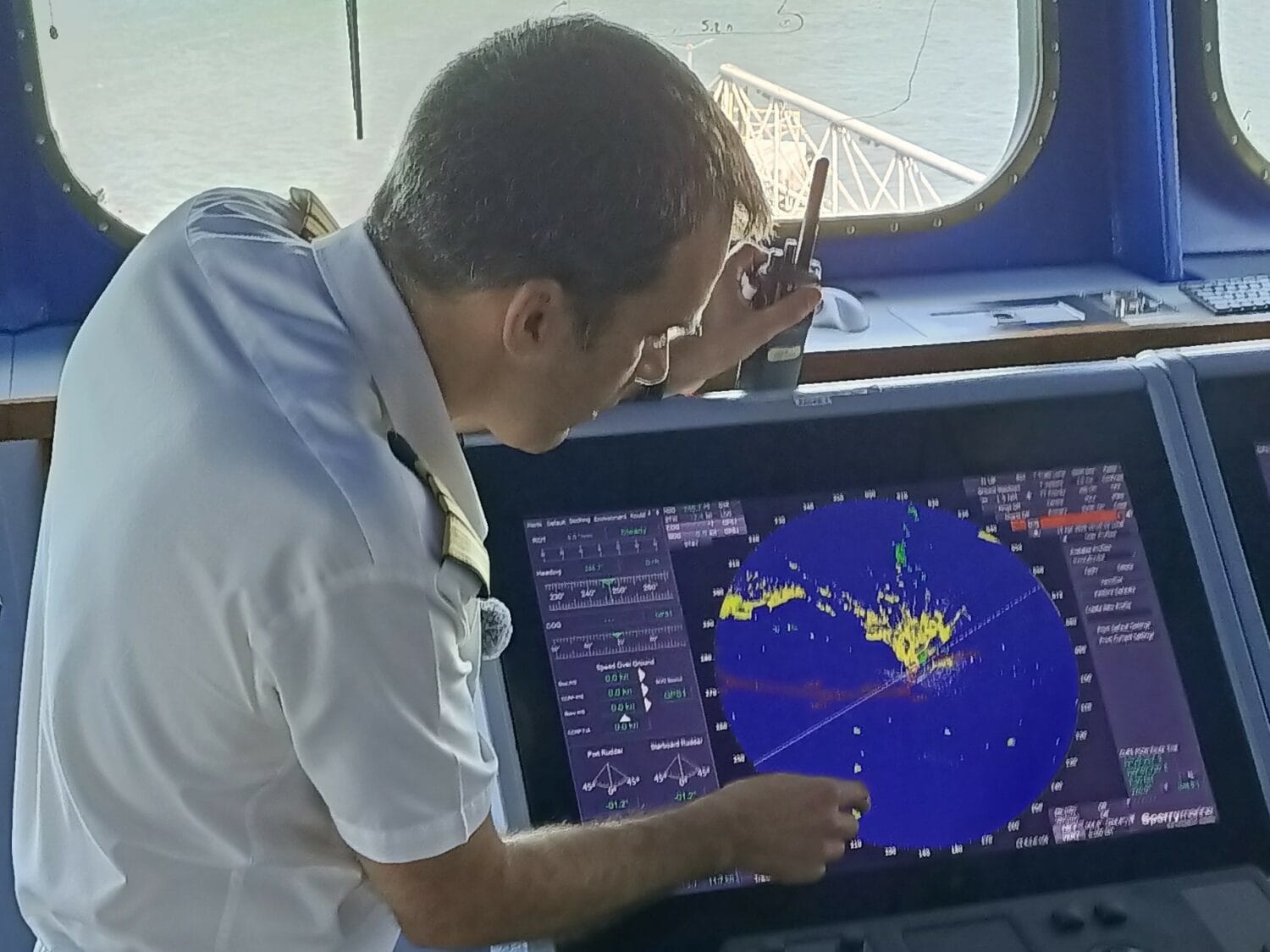
Ships are equipped with advanced navigation systems, medical facilities, and satellite communications.
This structure allows guests to explore confidently within carefully managed systems.
Travelling With Scientists, Naturalists and Historians
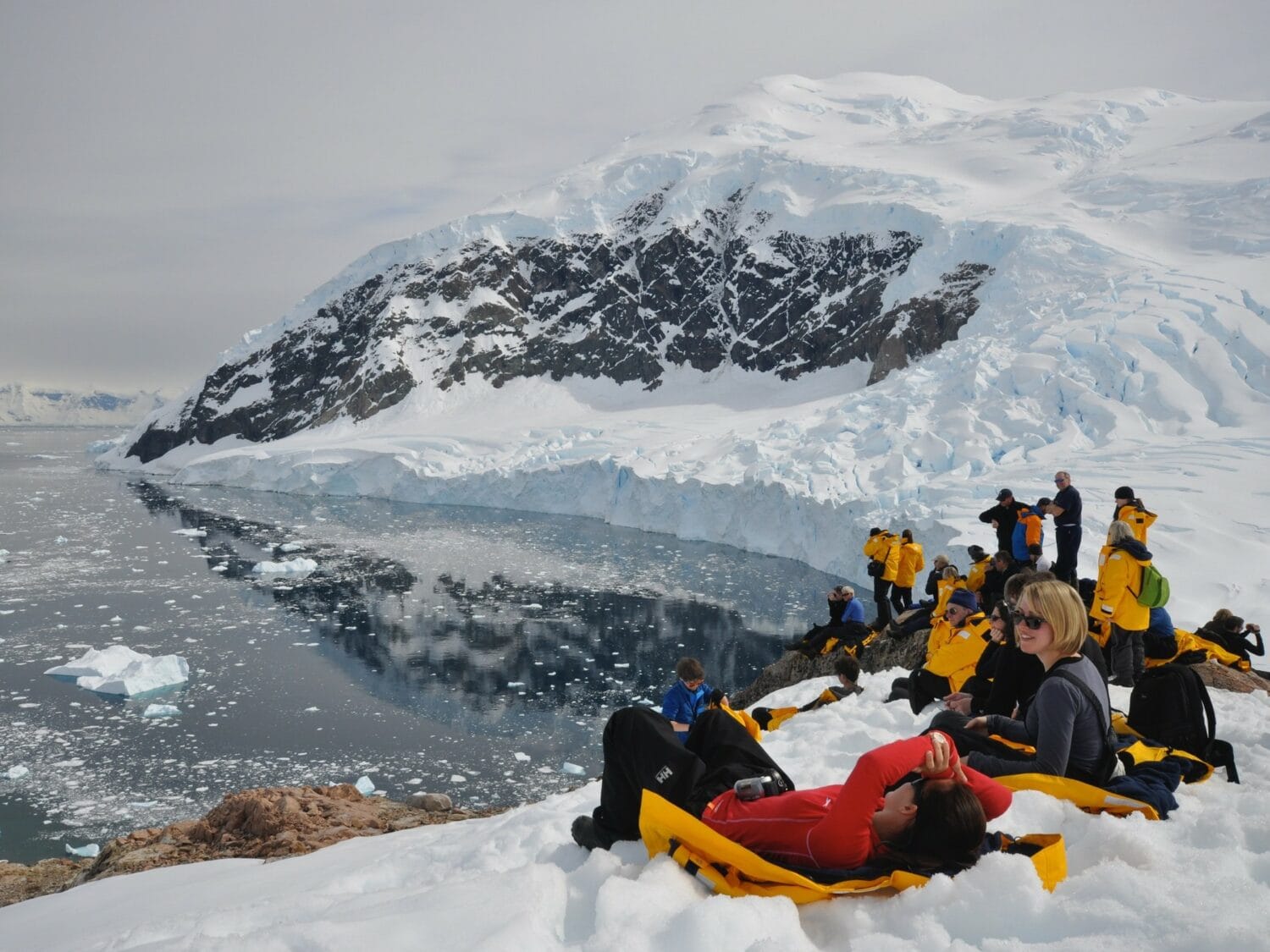
Expedition cruises are led by multidisciplinary expert teams who guide landings, interpret environments, and manage safety and conservation standards.
Specialists may include marine biologists, glaciologists, ornithologists, historians, archaeologists, and regional experts.
They lead excursions, deliver lectures, and provide real-time interpretation.
Experts also coordinate closely with bridge officers and monitor compliance with regulations.
For travellers who value insight, these teams are central to the expedition experience.
Zodiacs, Landings and Remote Access
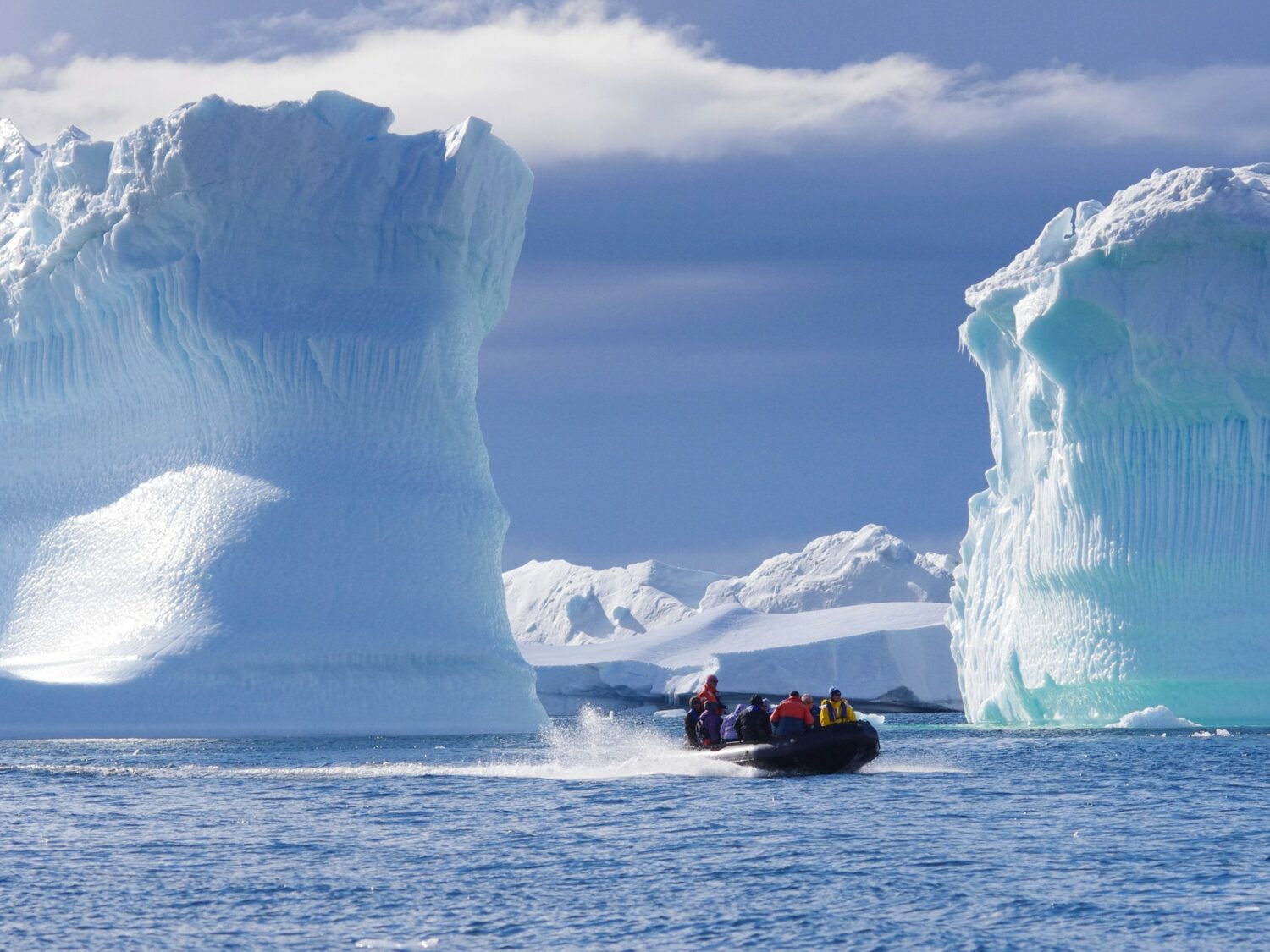
Zodiacs allow small groups to reach remote shorelines safely, enabling access to locations without ports or infrastructure.
Landings may be wet or dry and are supported by trained guides.
Group sizes are limited and rotated to protect sensitive sites.
Landing sites are selected based on tides, weather, and wildlife activity.
For many guests, Zodiac operations are among the most memorable aspects of the voyage.
Why Every Boot Matters: Conservation and Biosecurity
Strict biosecurity procedures prevent foreign organisms from entering fragile ecosystems.
Guests clean and inspect footwear and equipment before landings.
Protocols follow frameworks such as IAATO and AECO.
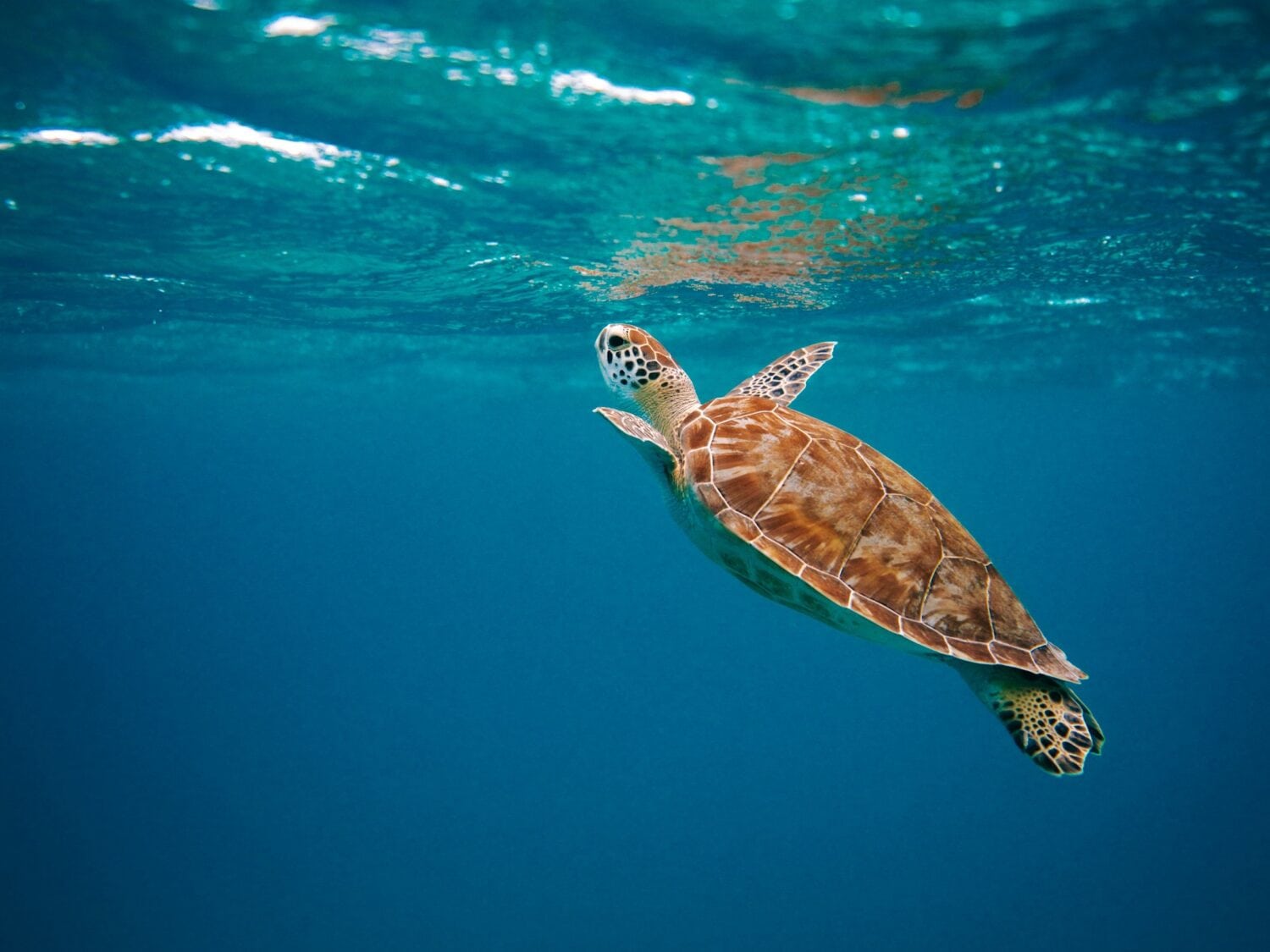
Wildlife interaction rules are enforced carefully.
Onboard systems support waste management and water treatment.
These procedures reinforce shared responsibility for protection.
Sustainability in Practice, Not Marketing
Genuine sustainability in expedition cruising is demonstrated through operational standards, transparent reporting, and long-term accountability.
Responsible operators invest in cleaner fuel, waste systems, and energy efficiency. Crew training embeds environmental management into daily practice.
Leading expedition operators, including Lindblad Expeditions, Quark Expeditions, HX (Hurtigruten Expeditions), and Aurora Expeditions, publish independent sustainability reports, participate in scientific research programs, and operate within international environmental frameworks. Their long-term presence in sensitive regions depends on consistent compliance and transparent accountability.
Many operators also support research and community programs, contributing data, funding, and logistical support to conservation initiatives.
True sustainability is measured by behaviour over time.

Who Is Expedition Cruising Best Suited To?
Expedition cruising suits travellers who are curious, adaptable, and motivated by learning and responsible exploration.
It suits those who value understanding over sightseeing and are comfortable with changing conditions.
It may not suit travellers who prioritise fixed schedules, large entertainment programs, or minimal physical activity.
Honest self-assessment is essential, particularly regarding mobility, balance, and stamina.
This is why many clients seek expedition cruise advice before making a decision.
For the right traveller, expedition cruising can be deeply rewarding.
Big Ship vs Small Ship Expedition Cruises
Large and small expedition ships offer different balances of comfort, access, and flexibility, particularly when comparing a small ship expedition cruise with larger luxury vessels.
Larger ships prioritise stability, spacious cabins, and extensive onboard facilities.
Smaller ships emphasise agility, intimacy, and faster access to landing sites.
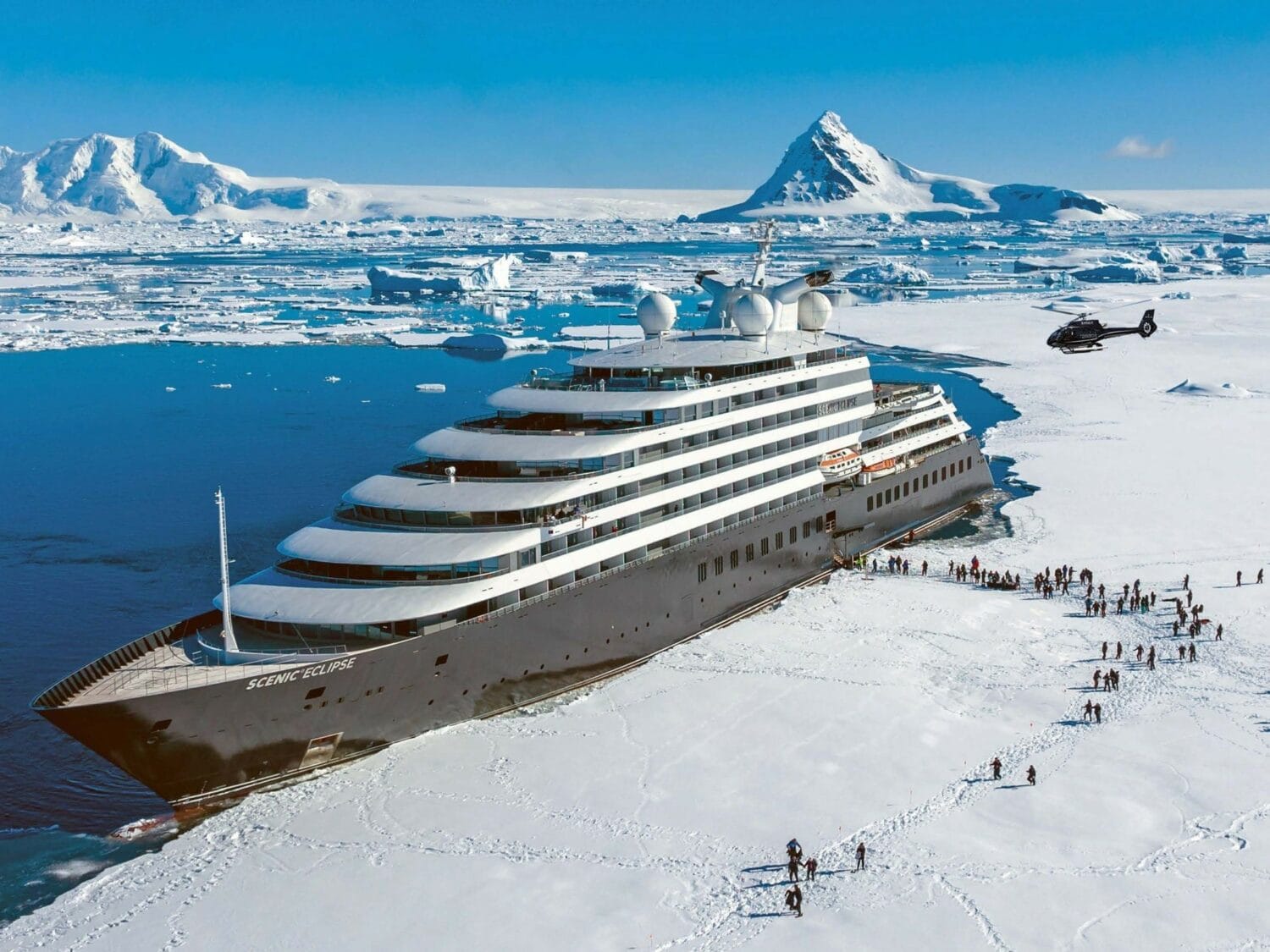
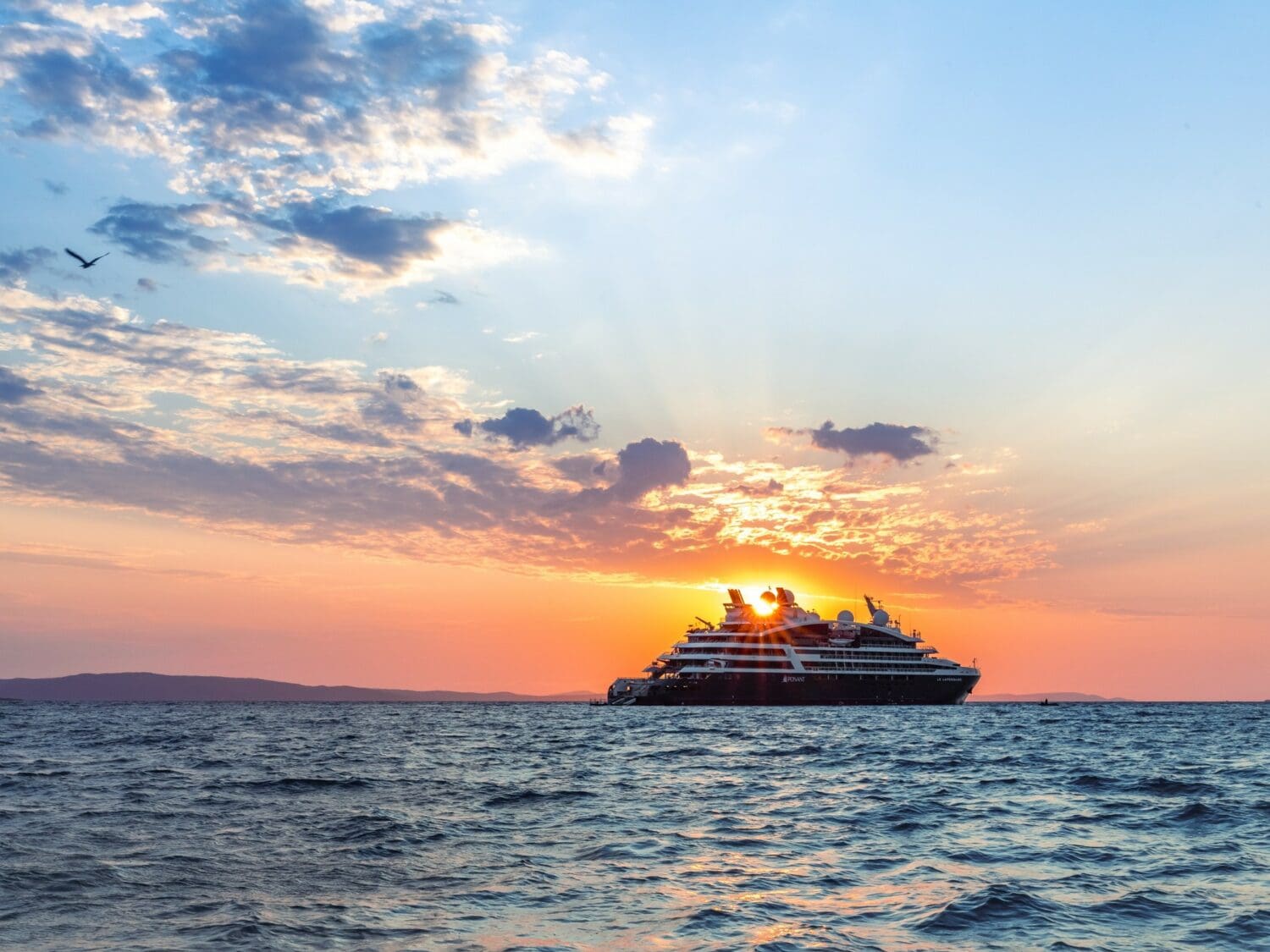
During inspections of vessels such as Scenic Eclipse and Ponant’s Le Lapérouse, I focus on how layout and facilities affect daily operations. Design features such as Zodiac storage, briefing spaces, medical areas, and traffic flow matter more than headline amenities.
The right choice depends on individual priorities, comfort preferences, and travel style.
Where Expedition Cruising Can Take You
Expedition cruising provides access to some of the world’s most remote and ecologically significant regions.
Key destinations include:
-
Antarctica and the Arctic
-
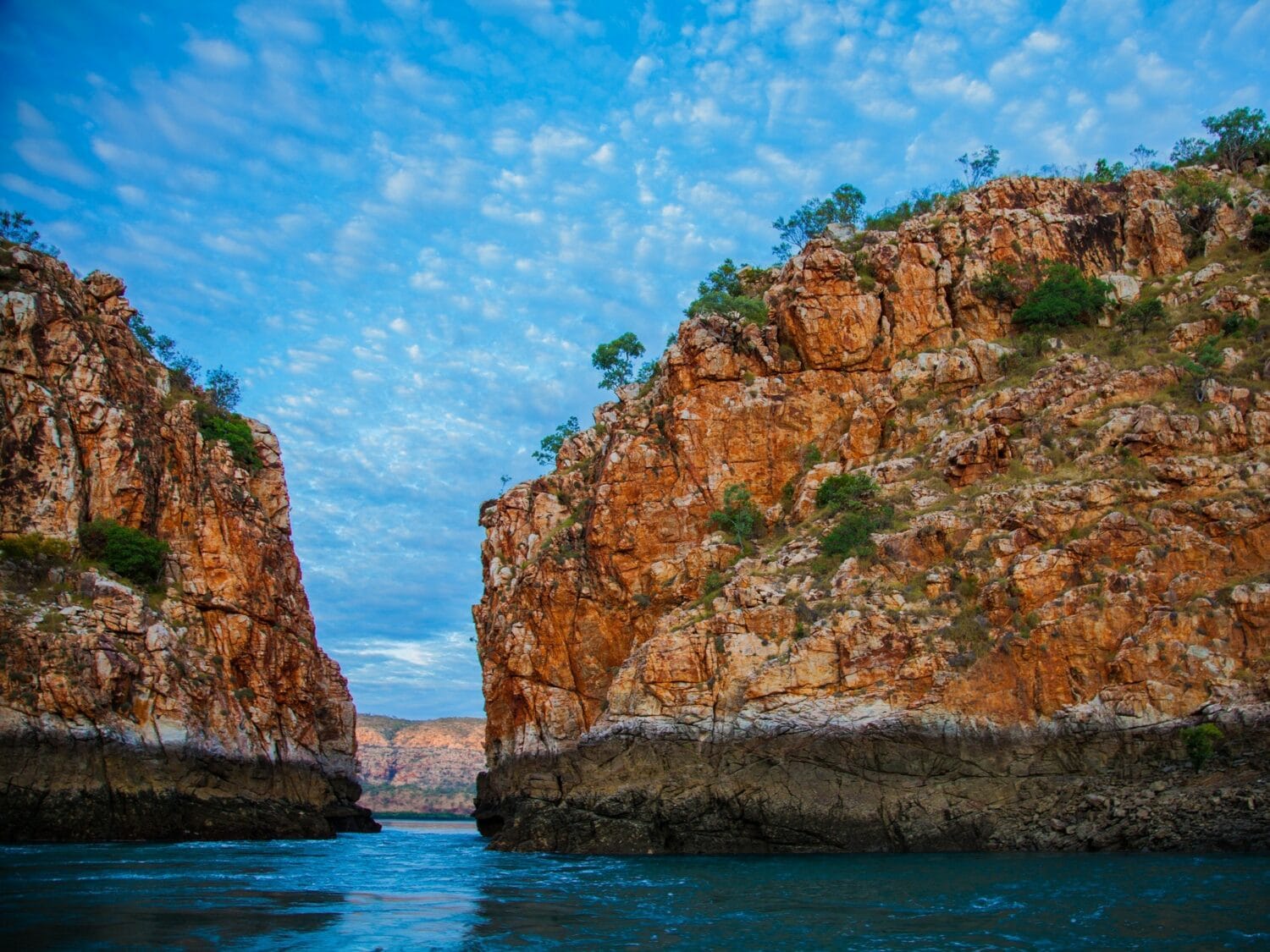
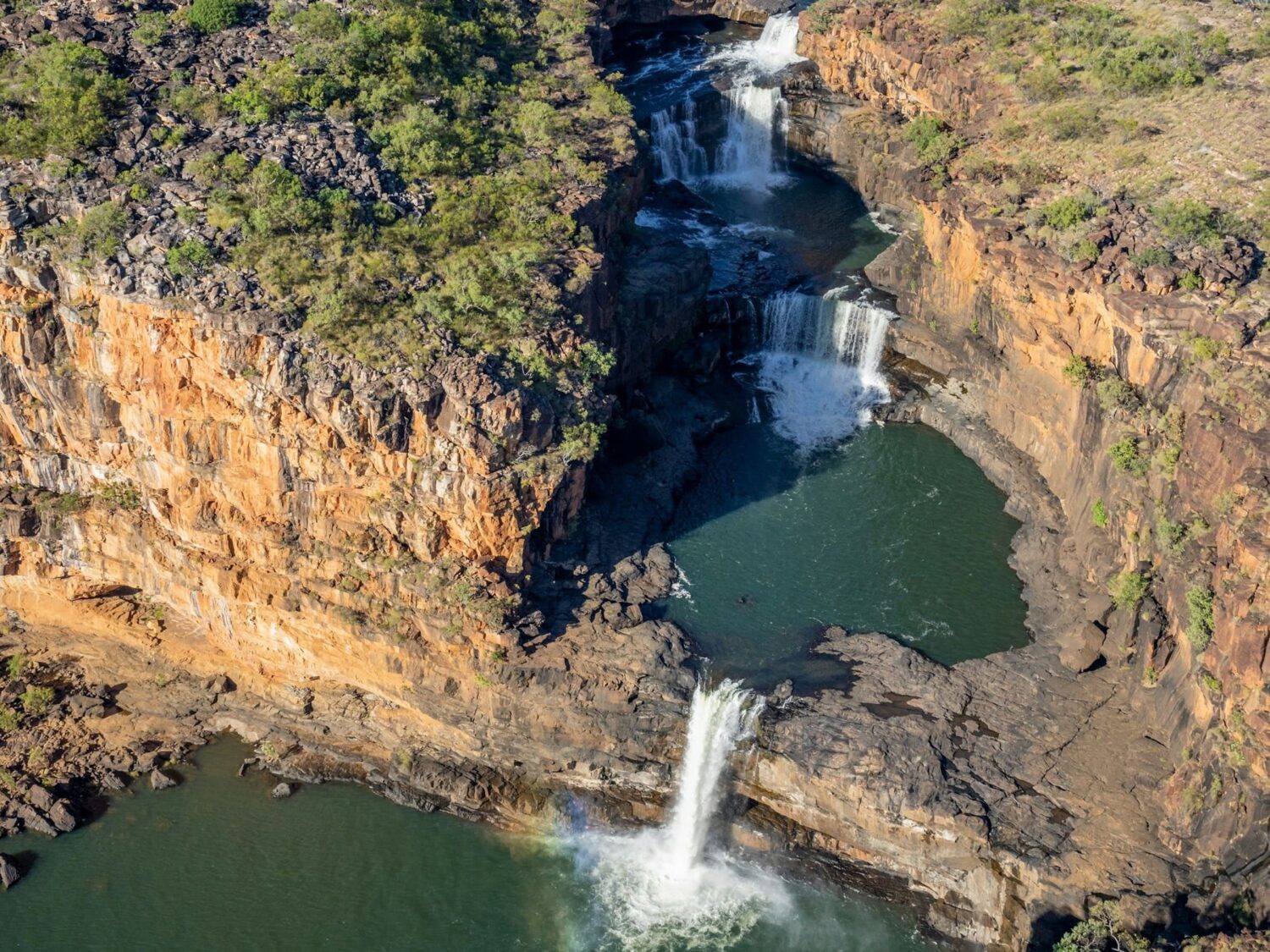
The Kimberley and northern Australia
-
The Galapagos and Amazon
-
Chobe and Magdalena rivers
-
Sub-Antarctic islands and remote Pacific regions
For Australians, expedition cruising close to home is particularly significant, with northern Australia representing one of the world’s great expedition regions. This has led to growing interest in expedition cruises in Australia, particularly along the Kimberley Coast.
Each destination has unique seasonal and regulatory considerations.
Choosing well involves aligning interests, timing, and environmental conditions.
My Perspective as an Expedition Adviser
My approach is shaped by professional training, industry access, and lived experience in remote environments.
I hold CLIA Master accreditation and Polar Pro certification and participate in ongoing operator training and briefings.
Where possible, I inspect expedition vessels in person, focusing on operational design, safety systems, and expedition infrastructure.
Growing up in Northern Australia shaped my respect for fragile landscapes and remote environments.
My role is to help clients understand how expedition voyages operate, how to prepare effectively, and how to choose responsibly based on their interests, comfort levels, and expectations.
I take a considered, independent approach to recommendations, drawing on formal training, industry access, and detailed product knowledge rather than promotional material alone.
This perspective allows me to act as an informed advocate.
How I Help Clients Explore Expedition Cruising
As an independent expedition cruise specialist, my role extends well beyond finding availability and processing bookings.
Each enquiry begins with detailed discussions about goals, comfort levels, expectations, and experience.
I assist with:
-
Operator and vessel comparison
-
Seasonal analysis
-
Physical requirements
-
Equipment preparation
-
Insurance and medical review
-
Pricing and inclusion assessment
I liaise directly with operators when needed.
Clear preparation reduces uncertainty and enhances confidence.
My objective is informed decision-making, not pressure.
Common Questions About Expedition Cruising
Is expedition cruising safe?
Yes. Reputable operators use trained crews, strict safety protocols, and onboard medical facilities designed for remote environments.
How fit do I need to be for an expedition cruise?
Most voyages suit a range of fitness levels, but guests should be comfortable with uneven terrain, wet landings, and moderate activity. Requirements vary by destination.
Why are expedition cruises so expensive?
Pricing reflects specialised ships, expert staffing, strict regulatory compliance, and complex logistics in remote regions, often with low guest numbers.
What happens if the expedition cruise itinerary changes?
Itinerary changes are normal in expedition travel. Operators use contingency planning and adjust landings based on weather, wildlife, ice, and safety conditions.
Do I need special gear for an expedition cruise?
Yes. Operators provide packing guidance covering waterproof outerwear, layers, suitable footwear, and accessories. Some gear may be supplied depending on the operator and region.
Is expedition cruising suitable for solo travellers?
Often, yes. Many operators offer solo cabins or reduced supplements, and the small-group environment can suit independent travellers.
Considering an Expedition Cruise?
If you are exploring expedition travel and would like personalised guidance, I am happy to help you assess options and plan responsibly.


Meet Your Cruise Specialist, Philip
As a CLIA Top 100 Master Cruise Consultant in Australia, my accreditation provides me with specialist knowledge in the luxury cruise space, allowing me to offer expert guidance on selecting the perfect voyage. Read More

Final Note
This guide is designed to help you understand expedition cruising properly before making a commitment. With the right preparation, expectations, and guidance, expedition travel can offer some of the most meaningful journeys available today.
Share this on Social Media