

A brief tour of China
One of the most impactful educational trips I have taken as a travel professional was a five-day journey through China hosted by MW Tours.
Although it took place some time ago, experiences like this offer far more than sightseeing alone. They provide the opportunity to see how guided touring operates in practice, from hotel standards and transport logistics to daily pacing and overall comfort. That first-hand understanding allows me to give clients clear, practical guidance when planning their own journeys through China.
I was also struck by the diversity of what we experienced along the way. Peaceful classical gardens, historic cities, and impressive modern infrastructure all combined to create a journey that felt far more varied than I had anticipated.
Getting There
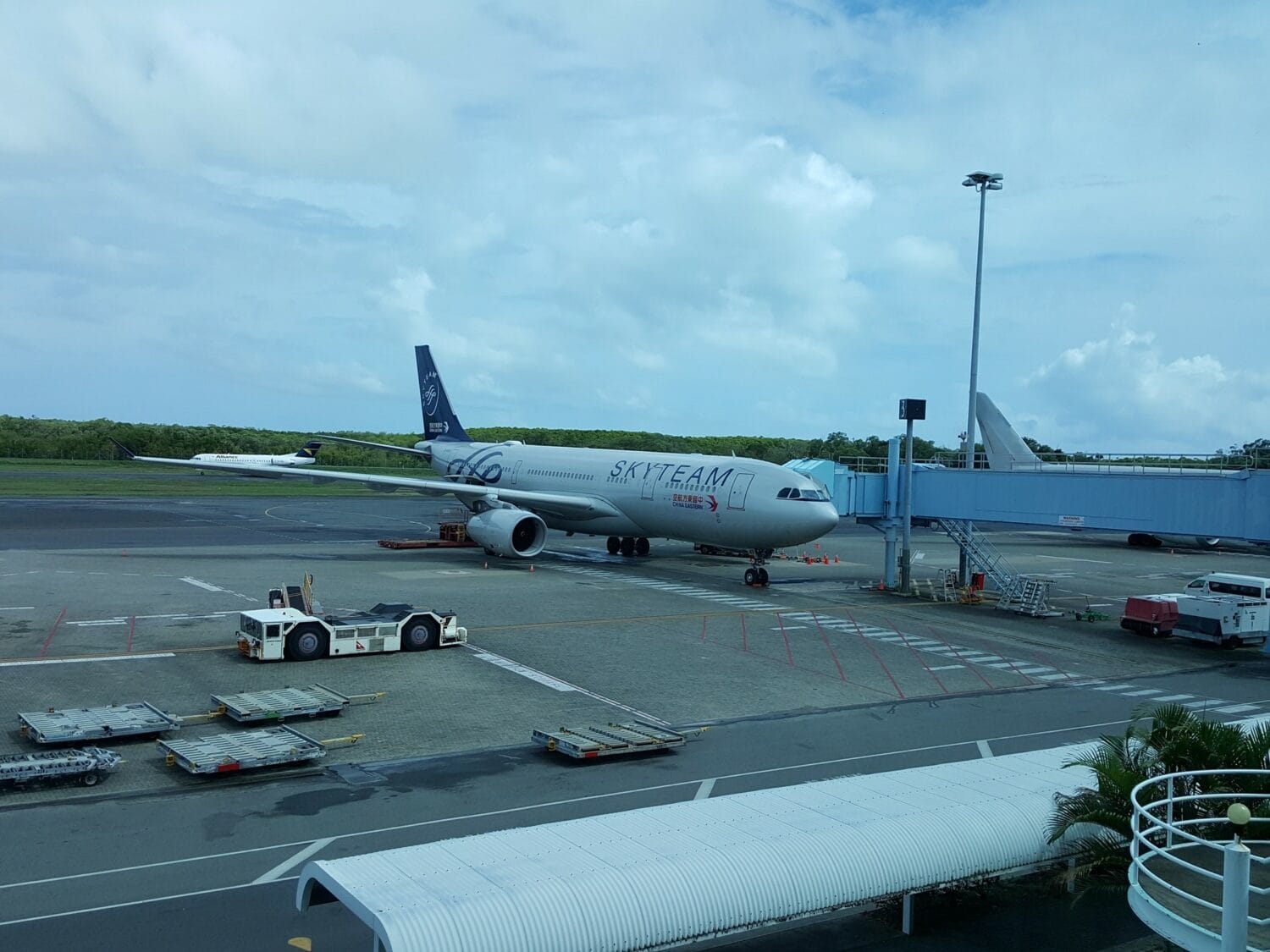
Our tour commenced on board China Eastern Airlines flight MU752, direct from Cairns to Shanghai. The flight departed early. As it was an inaugural seasonal service, there were not many passengers on board. We were fortunate to each have a row of centre seats, which meant we could stretch out, and some even managed to lie down and sleep.
The flight time was around nine hours.
Arriving in Shanghai
Our aircraft parked away from the terminal, so we boarded a bus to reach the gate. The change in weather was instantly noticeable. Out came the beanie, gloves, scarf, and jacket. Temperatures during our stay ranged from around 0°C at night to 8°C during the day.
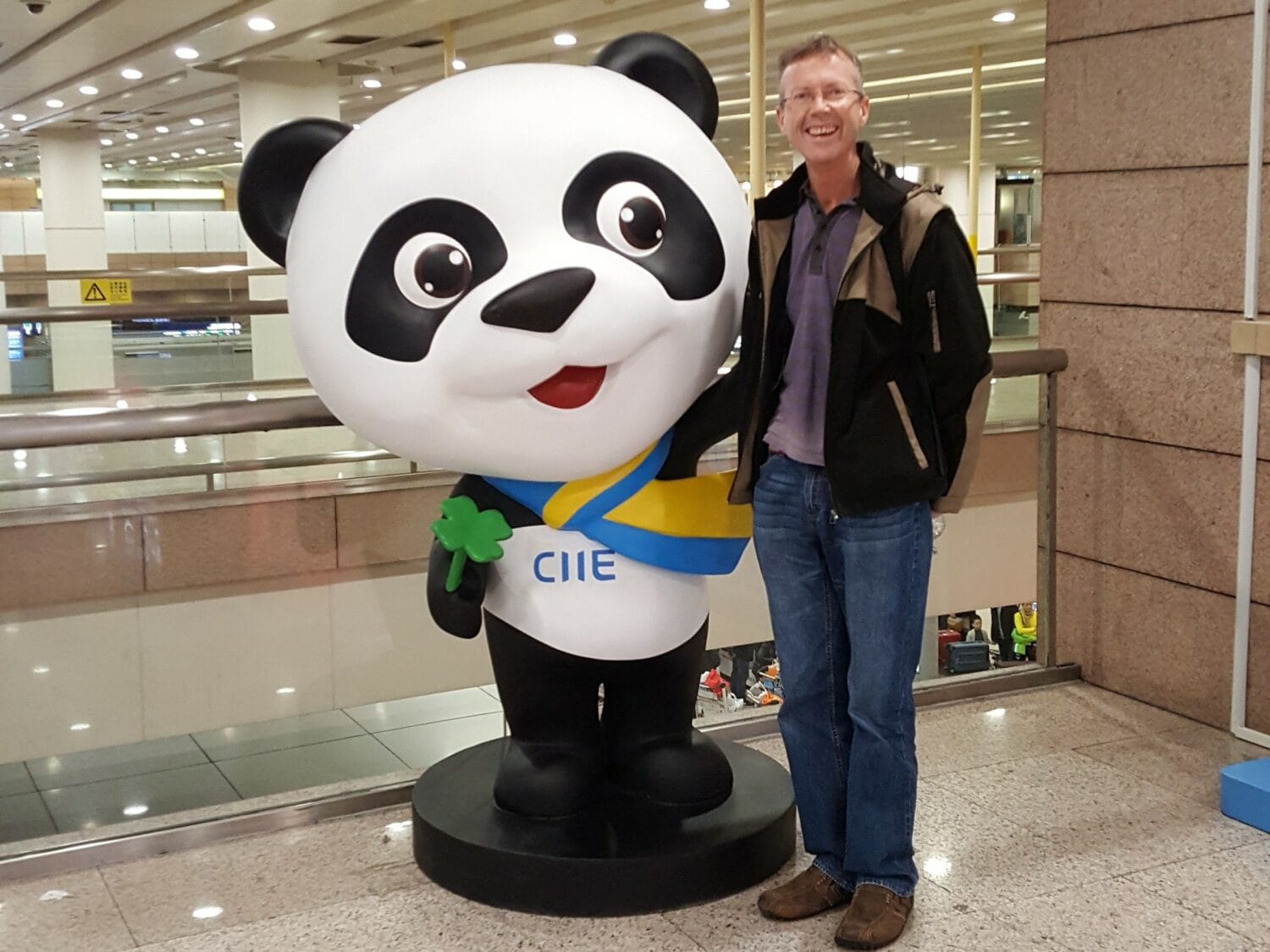
After passing through immigration, we collected our bags, cleared customs easily, and met our tour guide, Maggie, and photographer, April, who would accompany us for the rest of the tour. Once on the bus, our adventure through China began.
On the Road to Suzhou
We stopped for dinner en route to Suzhou, our first taste of authentic Chinese food. It was delicious, with a wonderful variety of dishes. As a vegan, I thought I might struggle to find suitable options, but I need not have worried. Maggie ensured there was plenty for everyone.
After dinner we settled in for the two-hour drive to Suzhou, arriving close to midnight. It was cold on that bus! We stayed at the Holiday Inn Huirong Plaza, a beautiful and comfortable hotel with elegant, modern rooms.
Suzhou Tour
Suzhou is a city in Jiangsu province, about 100 kilometres northwest of Shanghai. It is the second-largest city in the province after Nanjing.
The Lingering Gardens
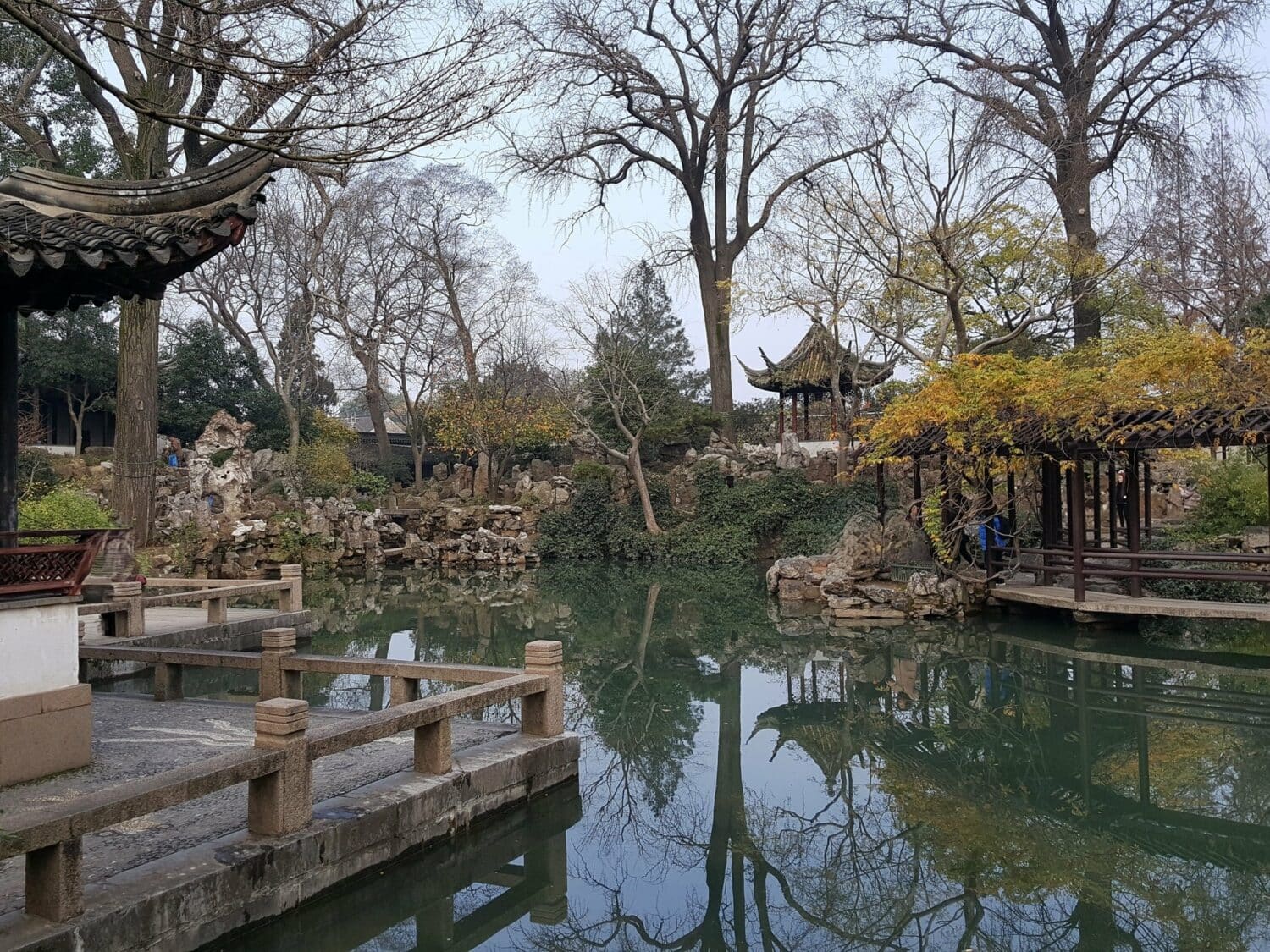
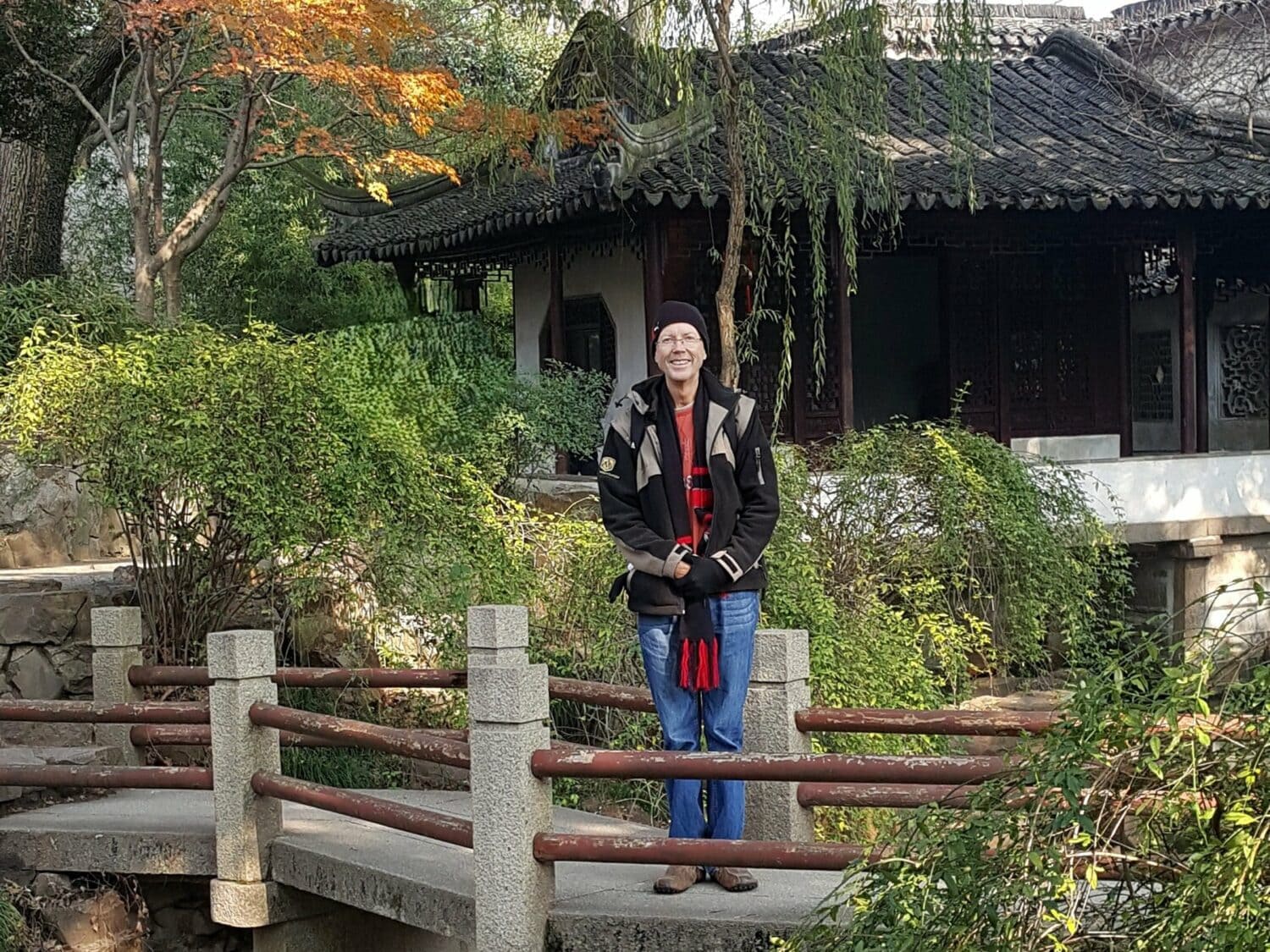
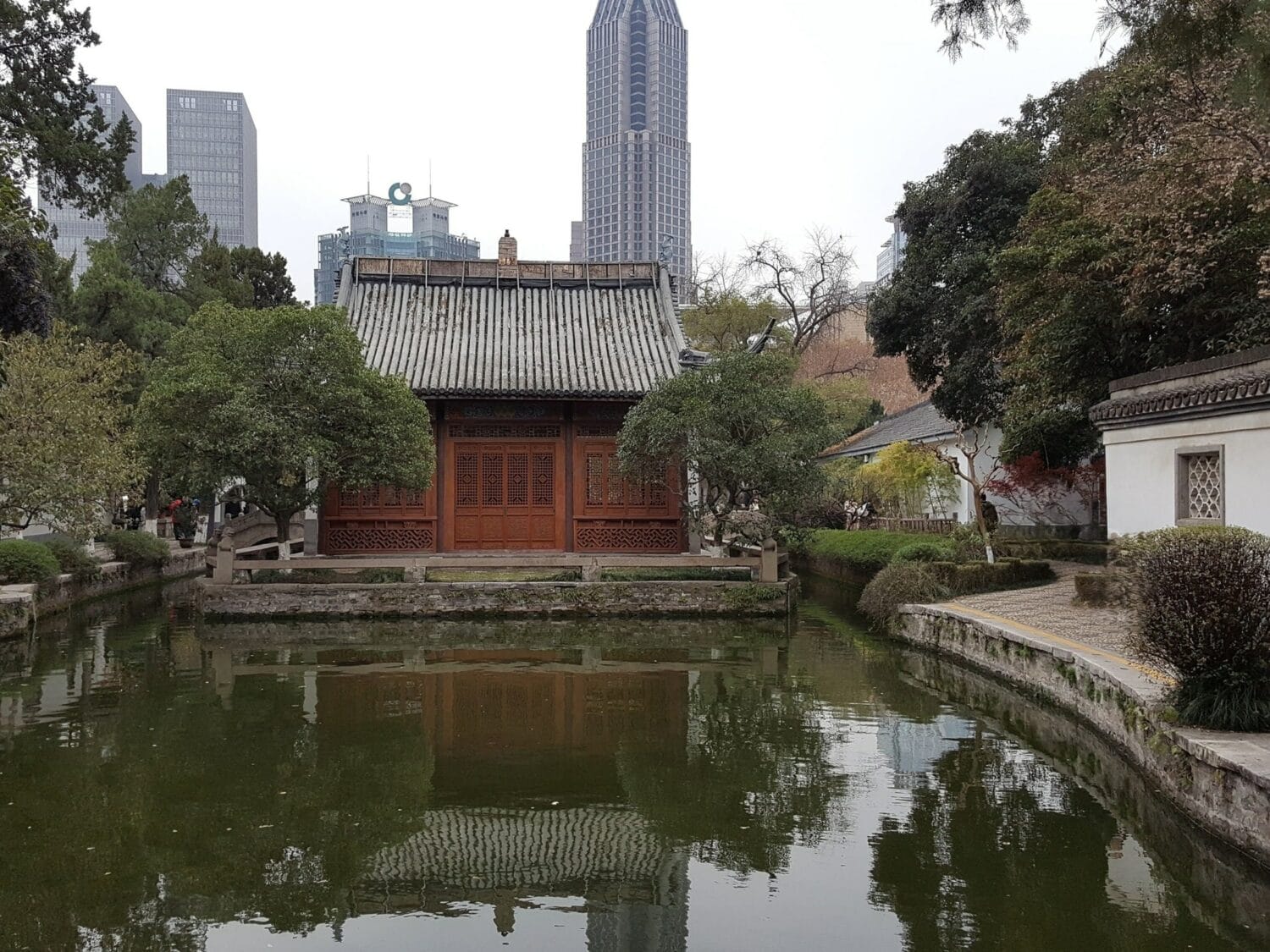
Our sightseeing began at the Lingering Gardens, a peaceful and beautifully designed garden that forms part of a traditional Chinese home. Each room of the house connects to a section of the garden, and the main living areas face the garden features associated with each season. From the spring room, residents could enjoy views across the pond to wisteria vines hanging in full bloom.
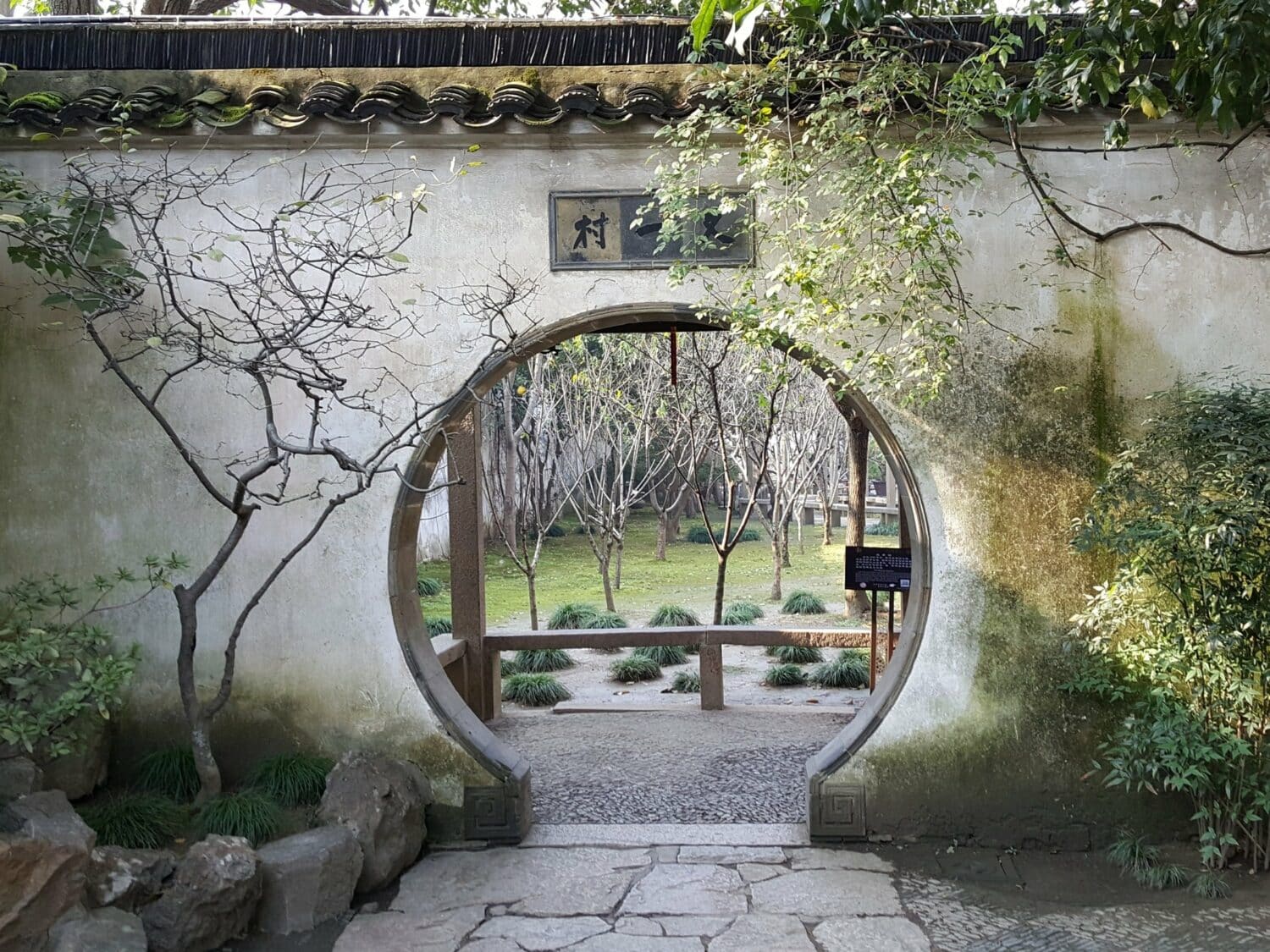
The garden also features the Cloud-capped Peak, the tallest single-piece limestone rock in Suzhou. Its design allows water to flow from top to bottom without pooling in any cracks. Other highlights include the Moon Gate and the Bonsai Gardens.
The Grand Canal
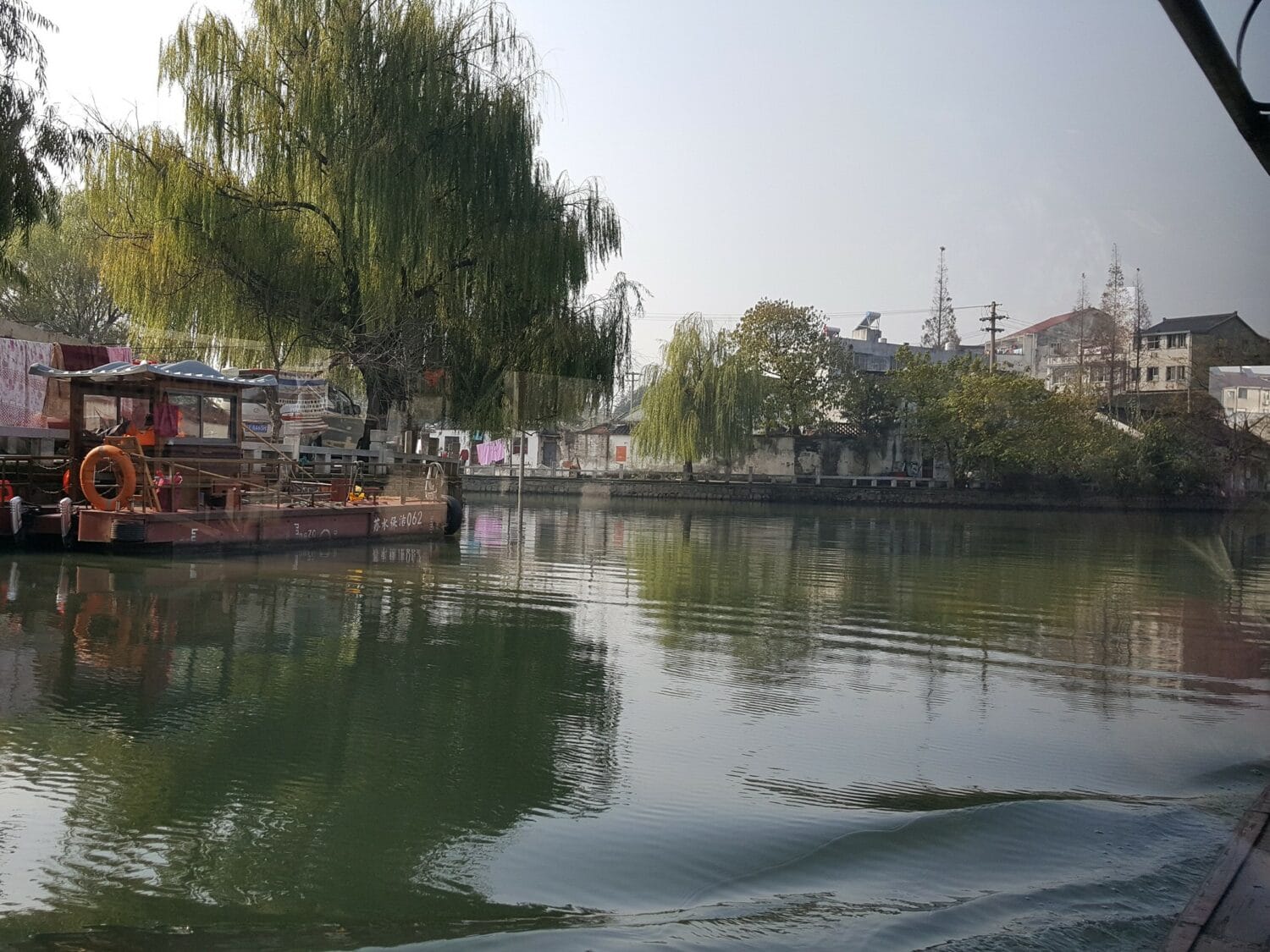
Next, we took a boat cruise on the Grand Canal followed by lunch. The canal, which runs from Beijing to Zhejiang province, is a UNESCO World Heritage site. It stretches approximately 1,700 kilometres, is six metres deep, and took around fifty years to complete.
Lunch was another feast of traditional Chinese dishes with plenty of vegan options. The lotus root drizzled with honey was especially good.
The Silk Factory
After lunch we visited the Suzhou No. 1 Silk Factory, where we learnt about the silk-making process, from extracting silk to reeling and weaving. A shop on site sold beautiful silk products made locally.
Pingjiang Road
Our final stop for the day was Pingjiang Road, a historic street that runs along the Pingjiang River for about 1.5 kilometres. The 800-year-old street is lined with homes on one side and a mix of tea houses and small shops on the other.
We returned to the hotel feeling tired but happy. Some of the group ventured out to shop, while others, myself included, enjoyed dinner and a quiet drink at the hotel before calling it a night. Tomorrow we would head for Nanjing.
11,894 steps.

Nanjing City Tour
The journey from Suzhou to Nanjing usually takes around three hours by bus, though an accident on the freeway added an extra hour.
Niushoushan Cultural Park
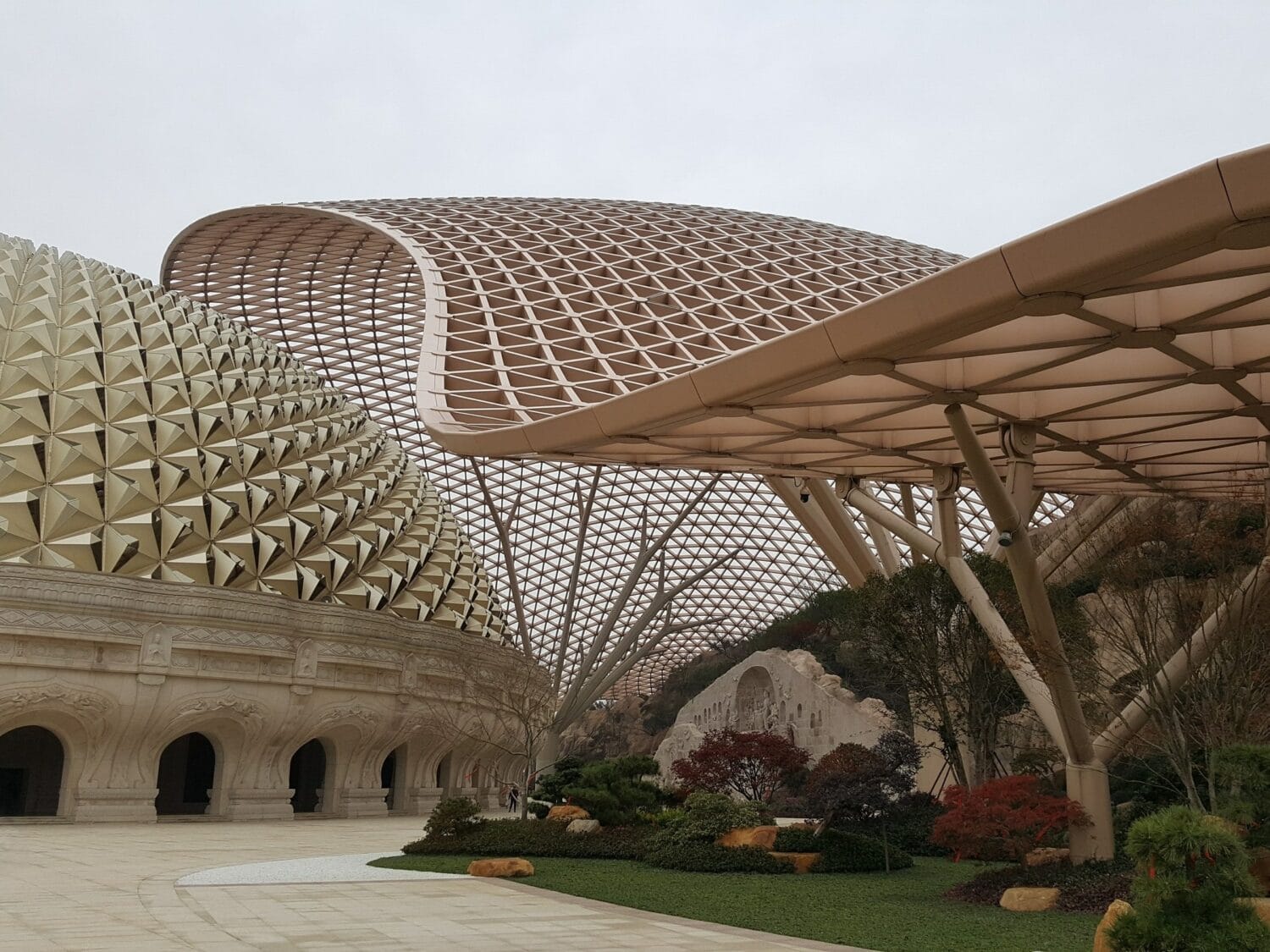
After lunch in Nanjing we visited the Niushoushan Cultural Park, home to the Usnisa Hall and Usnisa Worshipping Palace. The buildings are newly completed, with both above-ground and subterranean levels containing important religious relics and artworks.
It is said that a skull bone of the Buddha was discovered inside a gold casket in a crypt beneath the temple. The park also includes a temple housing the monks’ living quarters and a pagoda.
Jiangnan Examination Hall
Next, we toured the Jiangnan Examination Hall, once used for provincial and metropolitan examinations. Three levels of exams were held over nine days: Shengyuan (entry level), Juren (qualified graduate), and Jinshi (advanced scholar).
Candidates were confined to small rooms with walls and roofs but no doors. They were body-searched before entering to prevent cheating and had to eat and sleep in their cells during the exams.
During the Tongzhi Period (1861–1875) there were 20,644 examination rooms. The imperial examination system was abolished in 1905, and much of the complex was later demolished.
That evening we enjoyed a meal in the Qin Huai River district followed by an evening boat cruise.
Our accommodation for the night was the Hilton Nanjing Riverside, another lovely hotel with spacious rooms, comfortable beds, and a sleek modern design.
Dr Sun Yat-sen’s Mausoleum
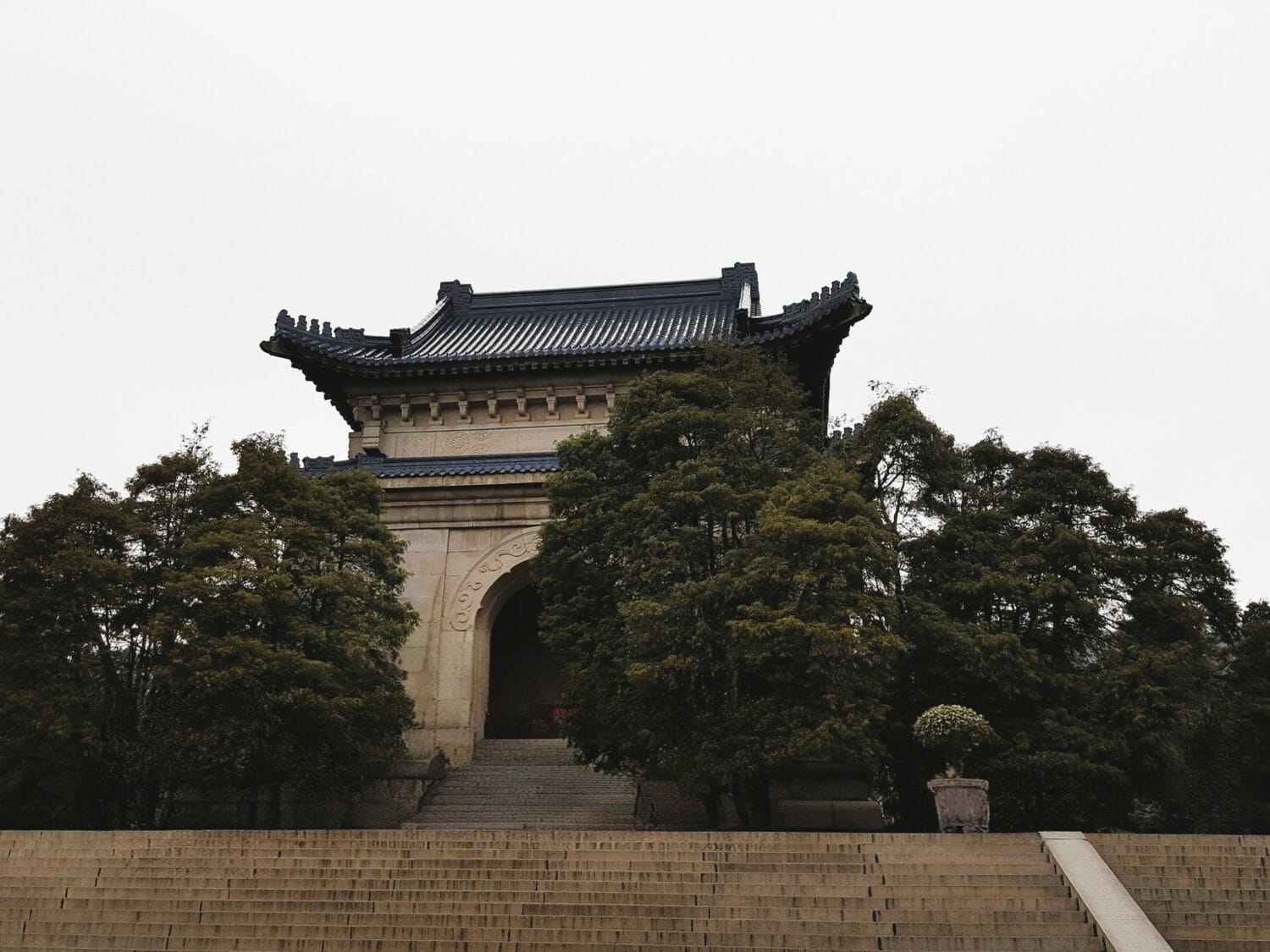
Dr Sun Yat-sen, regarded as the “Father of Modern China”, led the fall of the Qing dynasty and founded the Republic of China. His mausoleum lies at the foot of Purple Mountain. It took three years to build and was completed in 1929.
At the entrance are 392 stairs leading to the vault, growing steeper toward the top. We were all feeling a bit warmer and slightly worn out when we reached it, as the photos clearly show.
The Presidential Palace
The Presidential Palace is often called Nanjing’s version of Beijing’s Forbidden City. It once housed emperors and political leaders, including Dr Sun Yat-sen. During the Ming Dynasty (1368–1644) it served as a royal palace.
Nearby is 1912 Bar Street, a lively area filled with restaurants, bars, and markets housed in repurposed old buildings.
City Walls
Our final stop was the Taicheng City Walls overlooking Xuanwu Lake, named for a black dragon believed by Taoists to be a water god.
The original wall was 35 kilometres long, though only 21 kilometres remain today. It stands between 14 and 21 metres high and was built using over 350 million bricks.
We later stopped for coffee at Maan Café, where a reporter from the Chinese press interviewed us. Some of the group returned to the Qin Huai River precinct for shopping, while others, myself included, opted for a quiet drink back at the hotel.
15,517 steps.

Last Stop: Shanghai
Our final day took us to Shanghai, travelling 1.5 hours by high-speed train from Nanjing.
Communist Museum
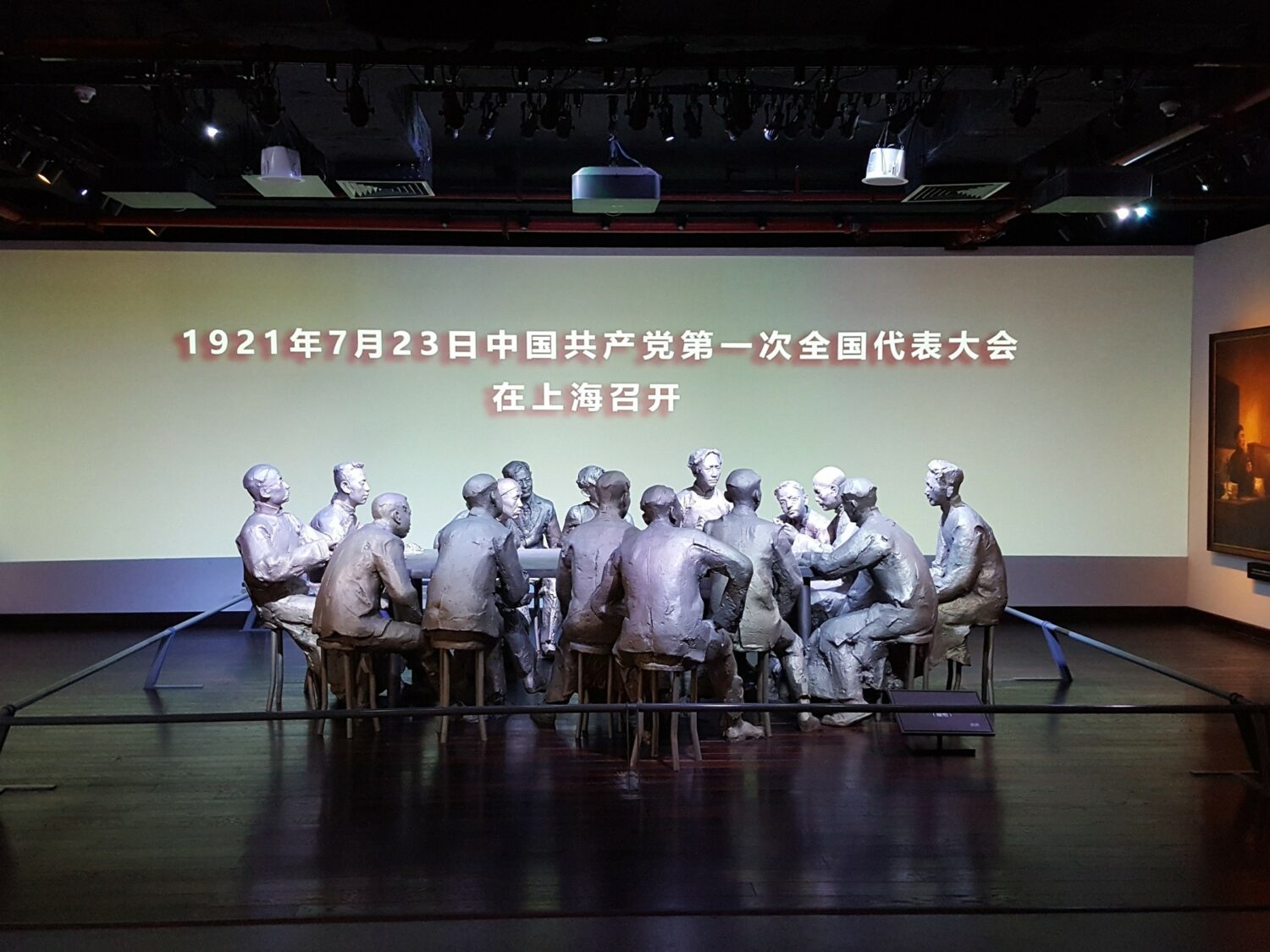
Our first visit in Shanghai was the Site of the First National Congress of the Chinese Communist Party, held in July 1921. Now a museum, it showcases China’s history, the story of Shanghai, and the early days of the Communist Party. It is located in Xintiandi, a stylish district full of shops, restaurants, and entertainment venues.
Yuyuan Old Street Markets
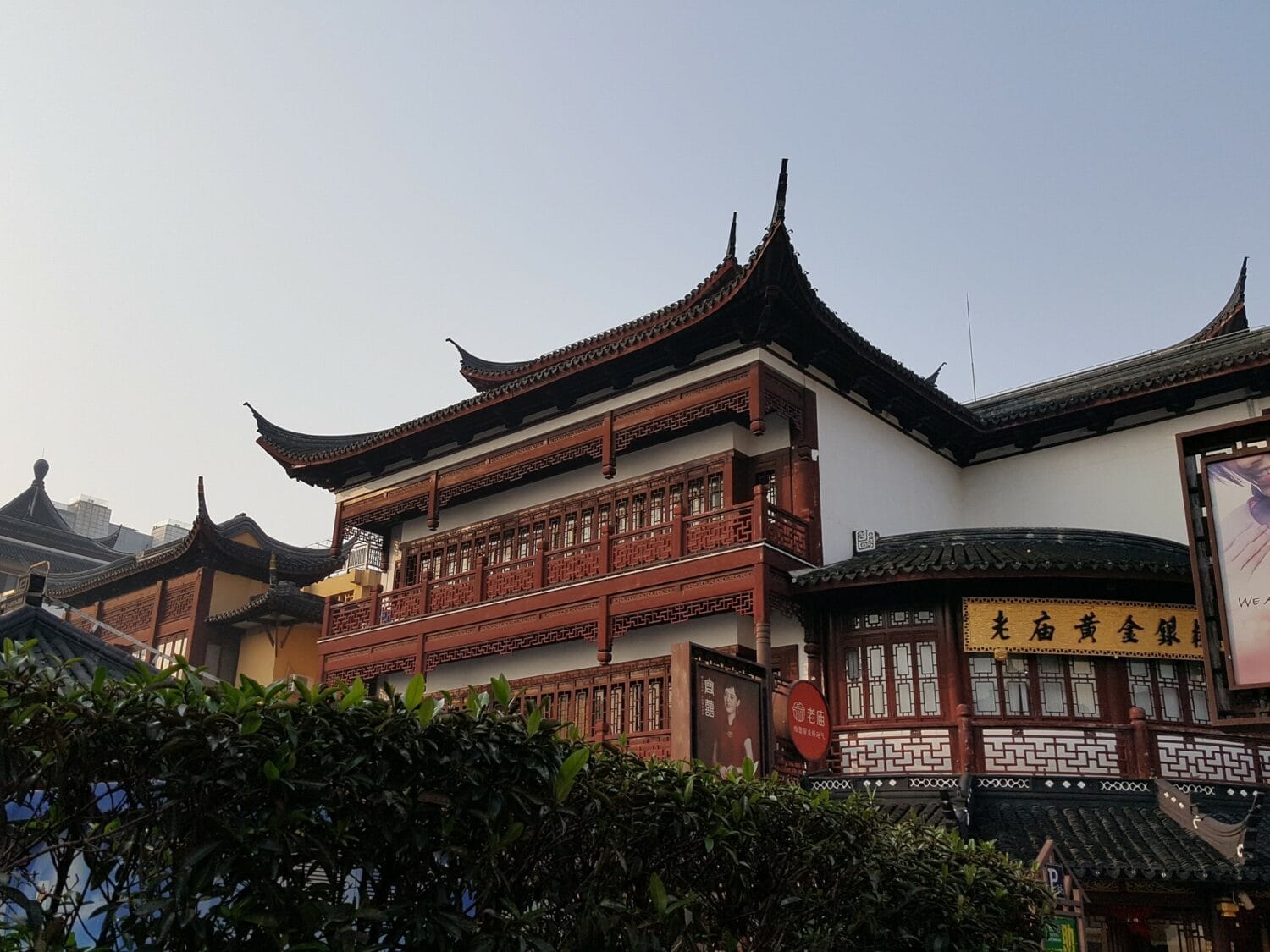
After a delicious lunch we explored the Yuyuan Old Street Markets, spending a couple of hours bartering and browsing.
Our guide Maggie had taught us a handy phrase: Tài guìle! — “It’s too expensive!”
As our time in China came to an end, we boarded the bus to Pudong for our nine-hour flight home. Watching Shanghai’s skyline fade into the distance, we reflected on an unforgettable trip.
14,700 steps.
Final Thoughts
We were exhausted after five incredible days exploring this amazing country.
I would have no hesitation recommending China as a destination, particularly when travelling with an experienced operator such as MW Tours. The food was excellent, accommodation standards were high, and the guides were consistently outstanding. China offers a depth of culture and history that is difficult to match, and it is a journey well worth experiencing for yourself.

Meet Your Experienced Travel Advisor, Philip
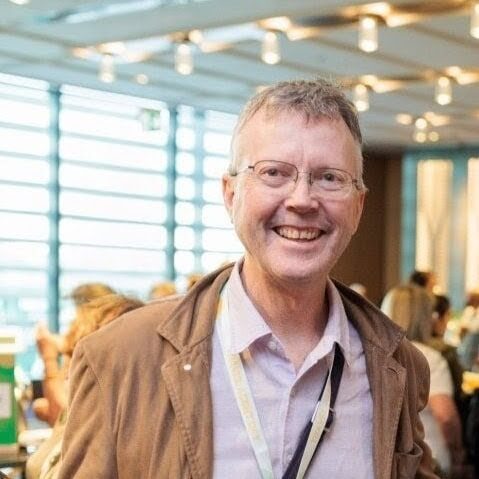
I've always believed that travel isn't just about ticking boxes — it's about meaningful experiences that enrich your life. Born and raised in Darwin, I grew up surrounded by diverse cultures, big skies, and a strong sense of connection — all of which shaped the way I see the world. Read More

Frequently Asked Questions
What was the weather like in Jiangsu in December?
Temperatures ranged from around 0°C at night to 8°C during the day. Warm clothing such as jackets, scarves, gloves, and beanies was essential.
What are the accommodation standards like in China?
Hotels such as the Holiday Inn Huirong Plaza in Suzhou and the Hilton Nanjing Riverside both offer modern design and high comfort levels.
What are the food options for travellers with dietary requirements?
Chinese cuisine offers plenty of choice, including options suitable for vegans and vegetarians. Local guides ensure everyone is well catered for at each meal.
What are some highlights in Jiangsu?
Key highlights included the Lingering Gardens and Grand Canal in Suzhou, Niushoushan Cultural Park and Dr Sun Yat-sen’s Mausoleum in Nanjing, and Yuyuan Old Street Markets in Shanghai.
Would you recommend MW Tours for travel to China?
MW Tours provided an excellent balance of sightseeing, culture, and comfort. The itinerary, accommodation, meals, and guides were of a high standard, making it easy to recommend their tours.
Share this on Social Media