

UNESCO World Heritage Sites in Europe
Are you dreaming about your next adventure? Something meaningful, textured with history, and filled with real moments of connection. You’re not alone. Many Australian travellers are drawn to Europe’s UNESCO World Heritage sites, searching for more than just impressive photos. They’re looking for lasting stories and experiences that reach across generations and cultures.
Europe’s UNESCO World Heritage sites offer sensory, cultural, and adventurous experiences that stay with you long after you’ve returned home. These places are living gateways into human creativity, ancient landscapes, and the gentle thrill of standing where centuries of stories have unfolded.
Lorem ipsum dolor sit amet, consectetur adipiscing elit, sed do eiusmod tempor incididunt ut labore et dolore magna aliqua. Ut enim ad minim veniam, quis nostrud exercitation ullamco laboris nisi ut aliquip ex ea commodo consequat.Lorem ipsum dolor sit amet, consectetur adipiscing elit, sed do eiusmod tempor incididunt ut labore et dolore magna aliqua. Ut enim ad minim veniam, quis nostrud exercitation ullamco laboris nisi ut aliquip ex ea commodo consequat.
Why Plan Your Journey Around Europe’s UNESCO World Heritage Sites?
- See and feel architecture, landscapes, and cultural layers that span thousands of years
- Experience direct connections with communities and traditions still thriving today
- Walk through sites where ancient and modern lives intersect — from volcanic valleys to bustling market squares
- Let each site surprise you with unique sights, scents, and stories
- Find adventure in UNESCO sites beyond the tourist highlights, including hot air ballooning over an unworldly landscape.
Why Do Europe’s UNESCO World Heritage Sites Matter — Especially for Australians?
For Australians, travelling to Europe often means standing in places where history is tangible in a different way. While Australia is home to the world’s oldest continuous culture — a legacy of immense depth and importance — it’s natural to be struck by the sheer age and density of built heritage found in Europe. There’s something deeply moving about walking through an old city gate, climbing a crumbling staircase, or standing in an amphitheatre where generations have gathered.
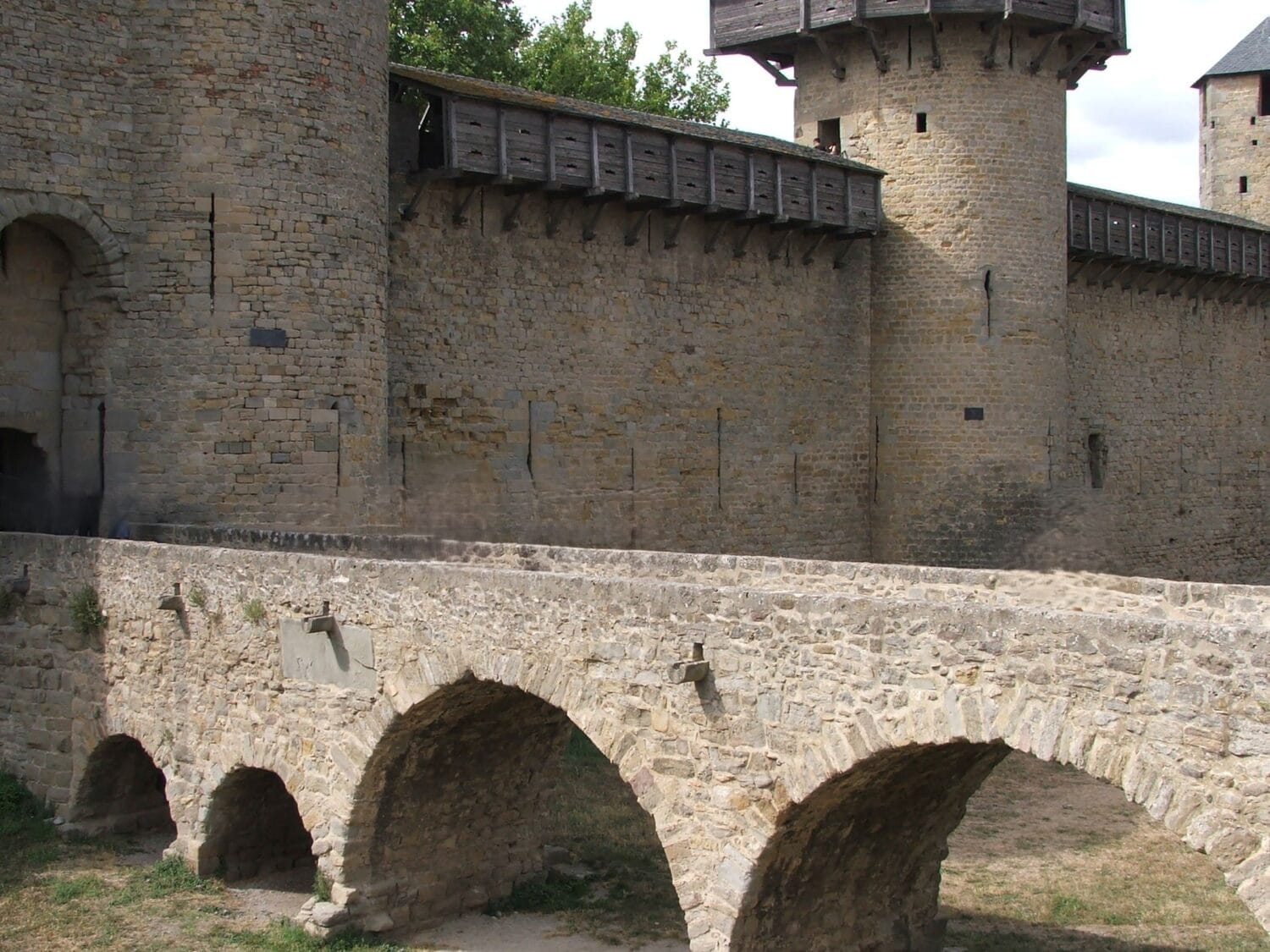
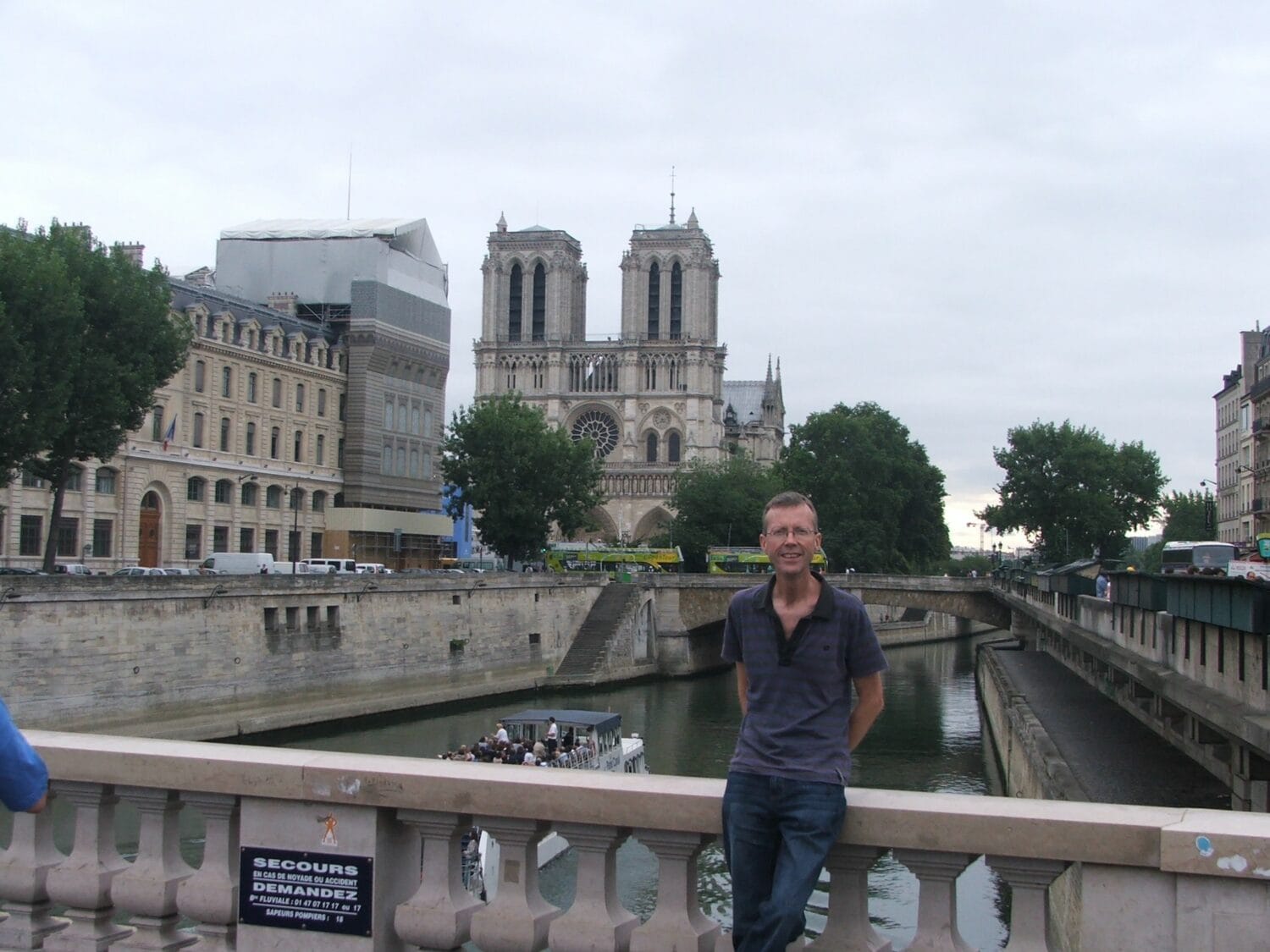
My own travels have taught me that these moments are about more than dates and stones. I remember tracing my hand across the worn walls of Carcassonne, thinking of all the lives that passed through before me, and standing in front of Notre Dame in Paris, long before the devastating fire of 2019. It reminds me how fragile these UNESCO treasures really are, and how fortunate we are that Notre Dame could be restored for future generations.
And, if you’re making the journey from Australia, it’s well worth considering the UK and England as part of your itinerary — the number and variety of UNESCO World Heritage sites there (from Stonehenge to the castles of Wales and the historic heart of London) add another rich layer to any European adventure.
Top UNESCO World Heritage Sites in Europe for Nature, Culture, and Adventure
With more than 500* UNESCO World Heritage sites spread across Europe and the UK, there’s a world of incredible history, culture, and natural beauty waiting to be discovered. If you’re planning your first adventure to this region, it helps to know where to begin. The sites below are some of the more popular ones I’ve personally visited—they’re perfect for first-time travellers wanting to experience the very best of what Europe has to offer, and each one has a special story to share. * https://whc.unesco.org/en/list/stat/
Alhambra, Granada — Spain’s Living Dream
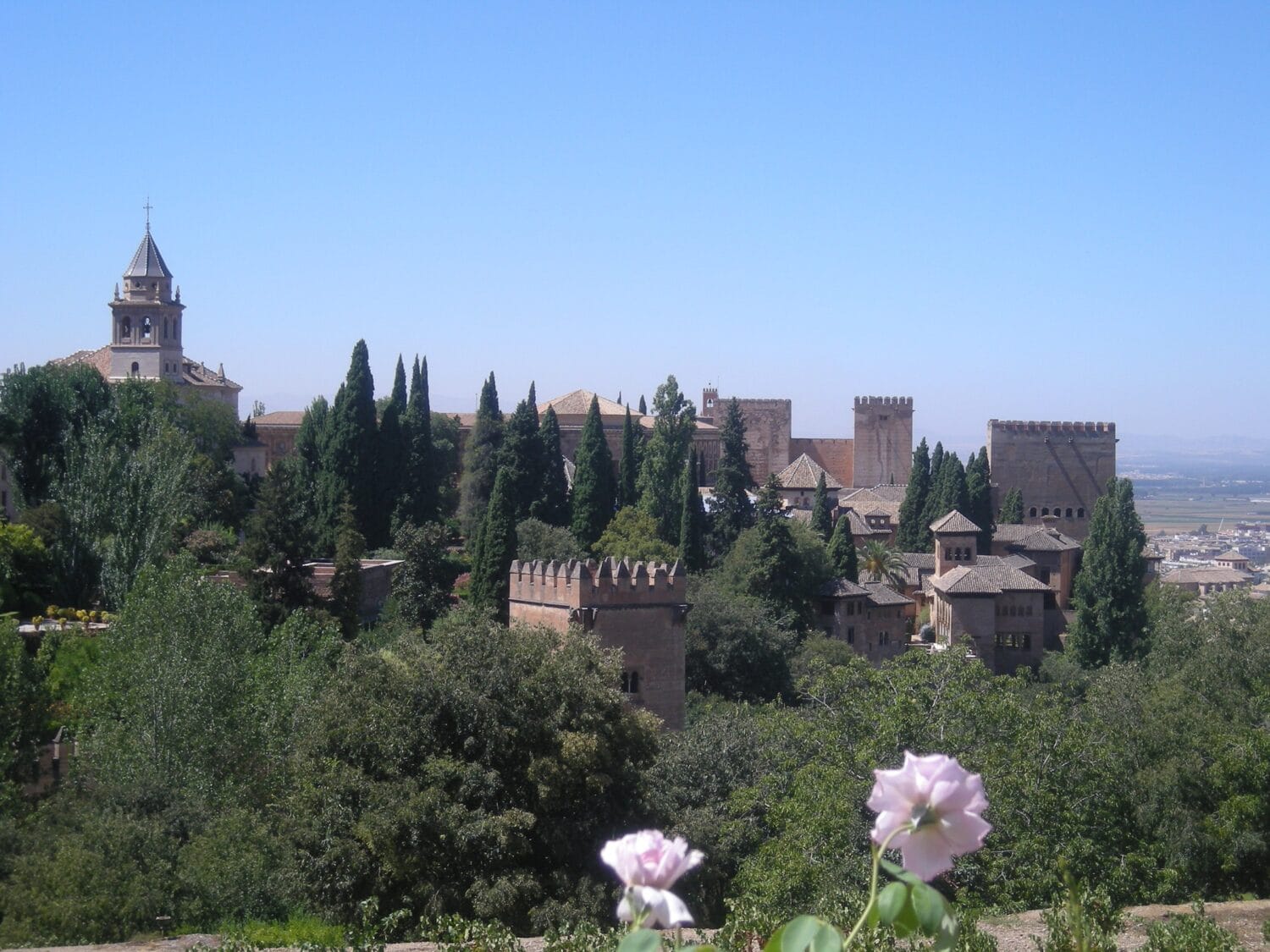
The Alhambra is more than a palace. The day I visited was warm and clear, the sky a perfect blue. Beyond the astonishing Moorish architecture, what truly surprised me was how peaceful the gardens felt. Wandering the paths, I found a lovely café tucked beneath generous green trees, their leaves filtering gentle sunlight. Sitting there with a glass of crisp white wine, I let myself just be—quietly soaking in the beauty and history that surrounded me. In that moment, the Alhambra didn’t feel like a distant monument, but a place that welcomed me to slow down, savour, and feel deeply at home.
Þingvellir National Park, Iceland — Where Continents Meet
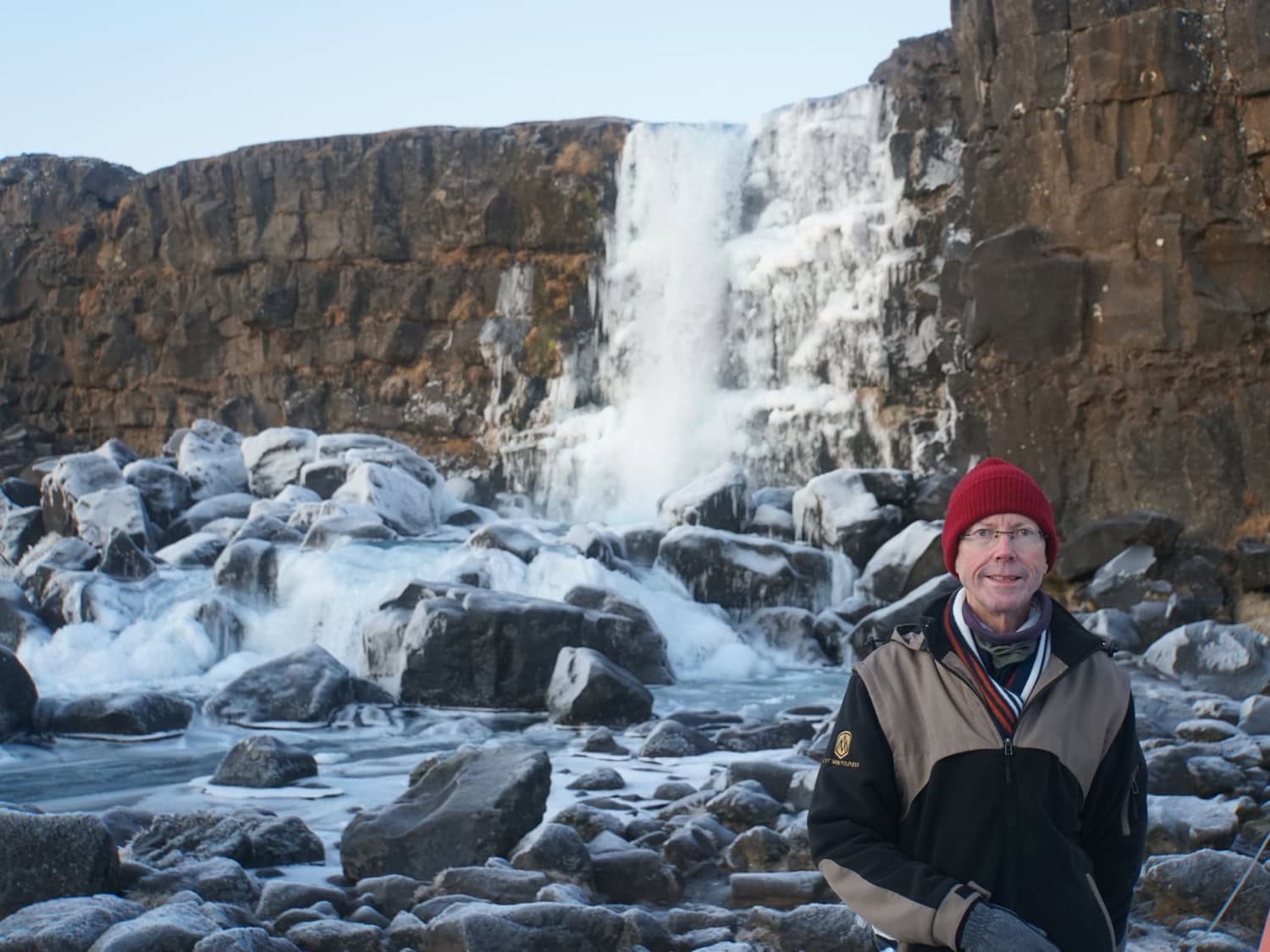
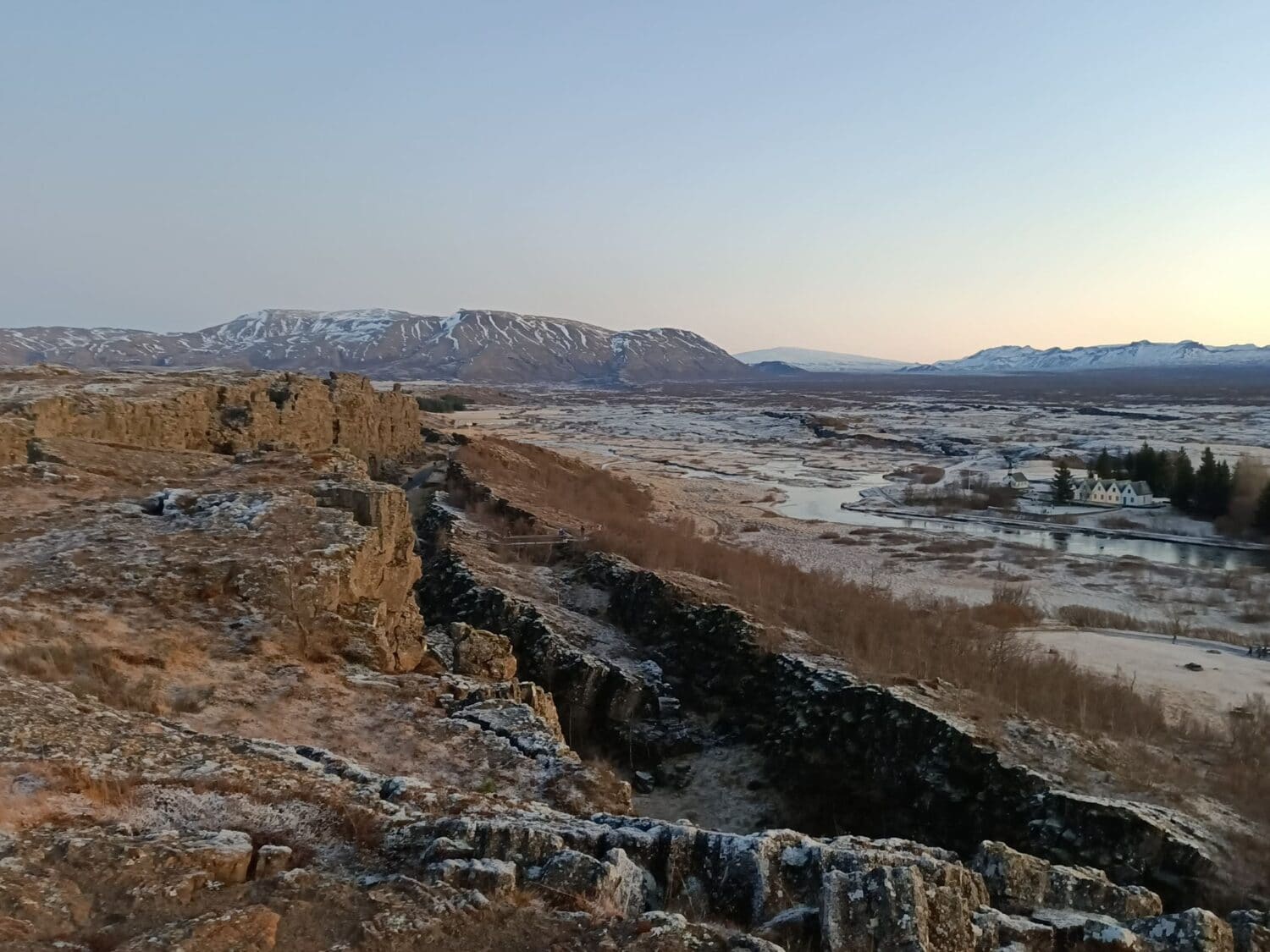
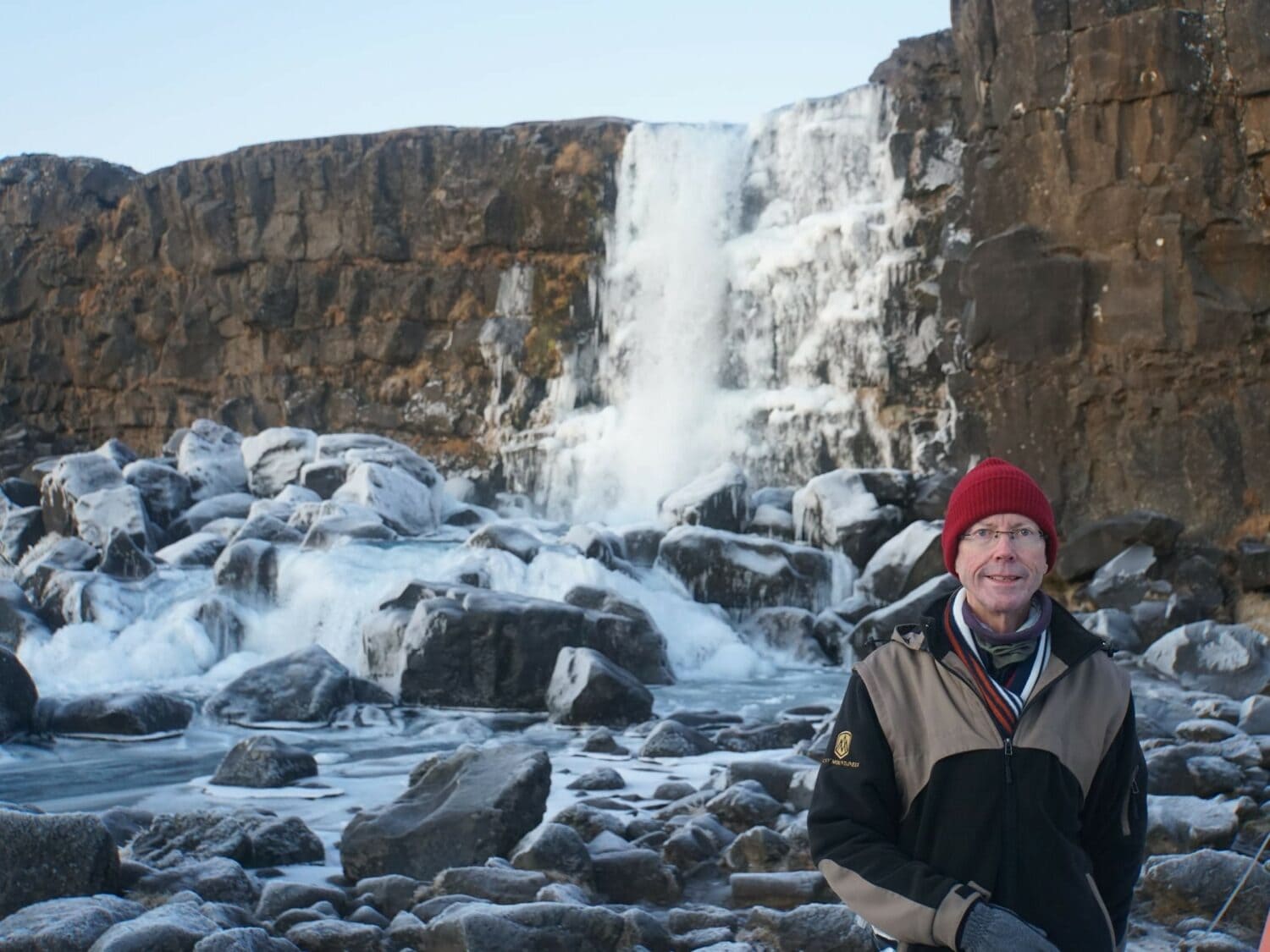
Some places remind you how ancient and powerful the earth truly is. I remember arriving at Þingvellir after a very early start from Reykjavik, the landscape still cloaked in the blue-grey hush before sunrise. It was just 7 degrees, icy underfoot, and the air felt charged with anticipation. Walking down into the rift between the tectonic plates—literally straddling two continents—was both surreal and a little precarious, each step a reminder of how alive this place is. We continued on to the Öxarárfoss waterfall, a place shaped by both nature and history. I was fascinated to learn that the Vikings had actually moved the waterfall’s original course to serve the needs of their parliament, the Alþingi. Standing there, I felt not just like a visitor, but somehow woven into the story of a landscape shaped by both immense natural forces and the quietly determined choices of people long gone.
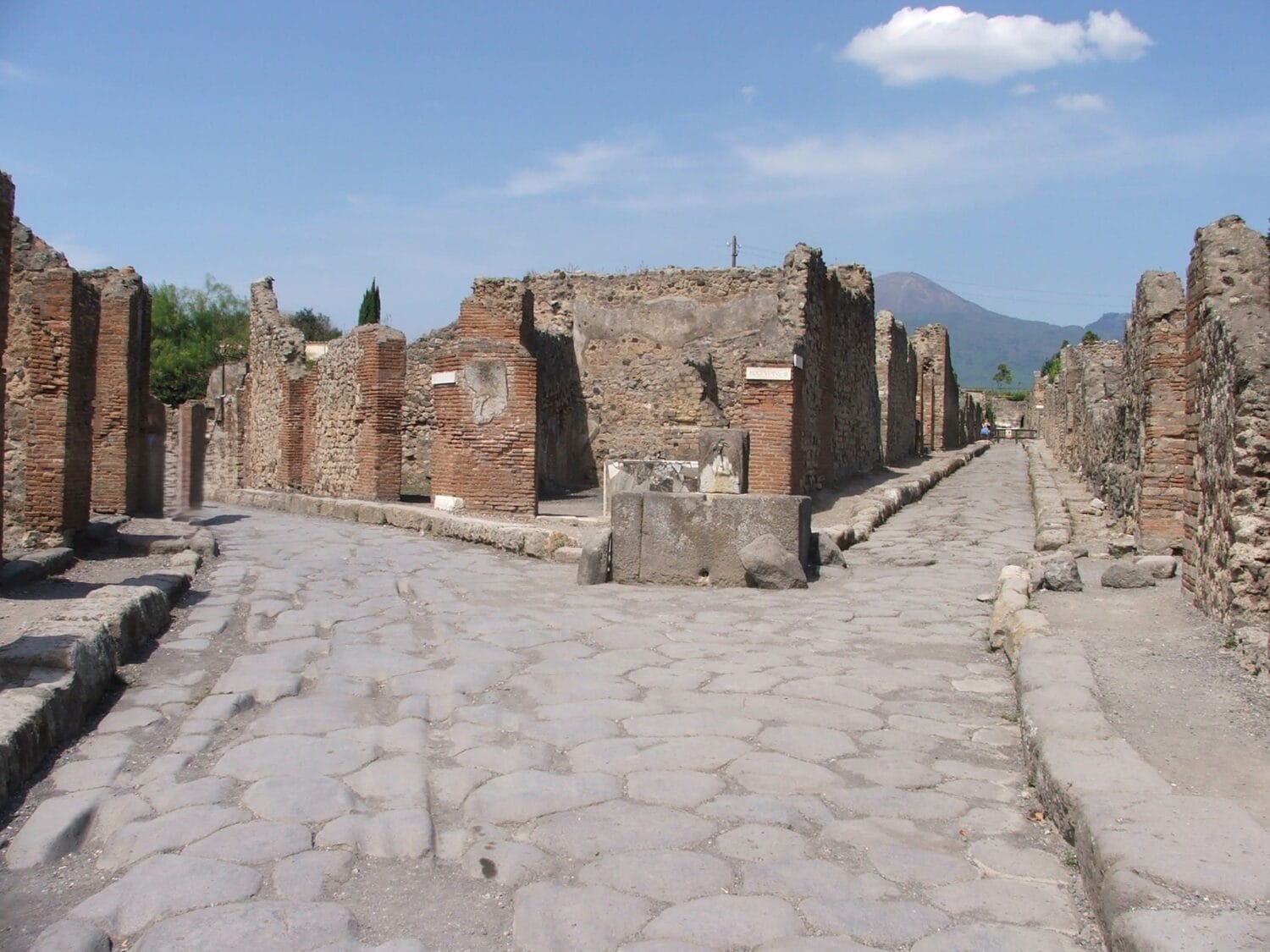
Pompeii, Italy — Everyday Life, Frozen in Ash
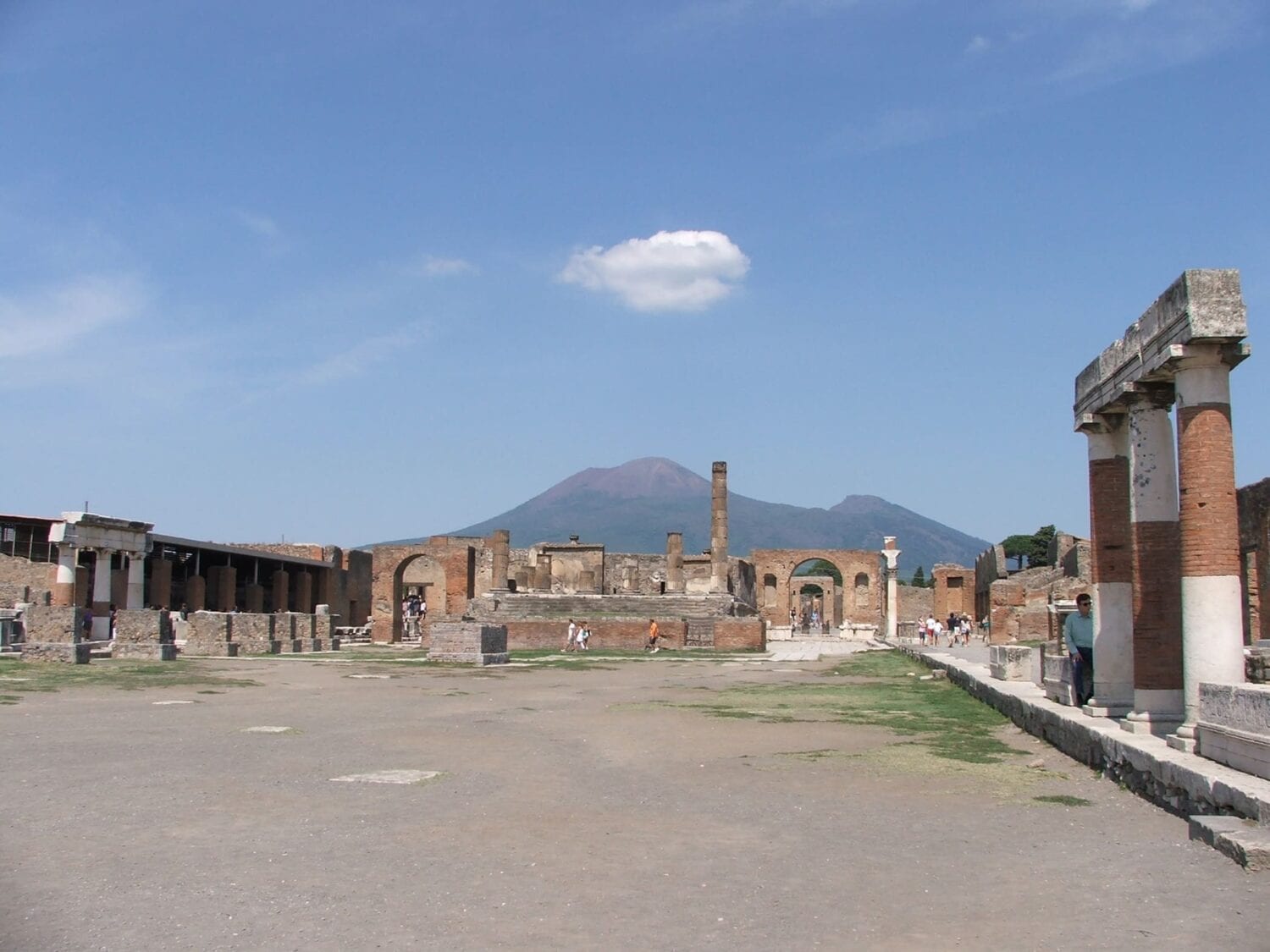
Visiting Pompeii was both eye-opening and emotional. It was another warm day, and I quickly realised just how expansive the ancient city is—so much more than you might expect. For future travellers, know that shade is scarce, so bring sunscreen or wear protective clothing to care for your skin beneath the Mediterranean sun.
We were fortunate that the site wasn’t crowded, giving us space to wander the cobbled streets with our guide, who shared the human stories behind the ancient stones. I was deeply moved to learn how the eruption of Mount Vesuvius blanketed the city in volcanic debris. The next day brought clouds of blisteringly hot gases, destroying buildings and tragically crushing or asphyxiating much of the population. Seeing the plaster casts of those lost in the disaster was quietly confronting, a stark reminder of both the vulnerability and resilience of everyday people. Pompeii isn’t just a monument—it’s a place to reflect on the stories, losses, and humanity preserved beneath the ash.
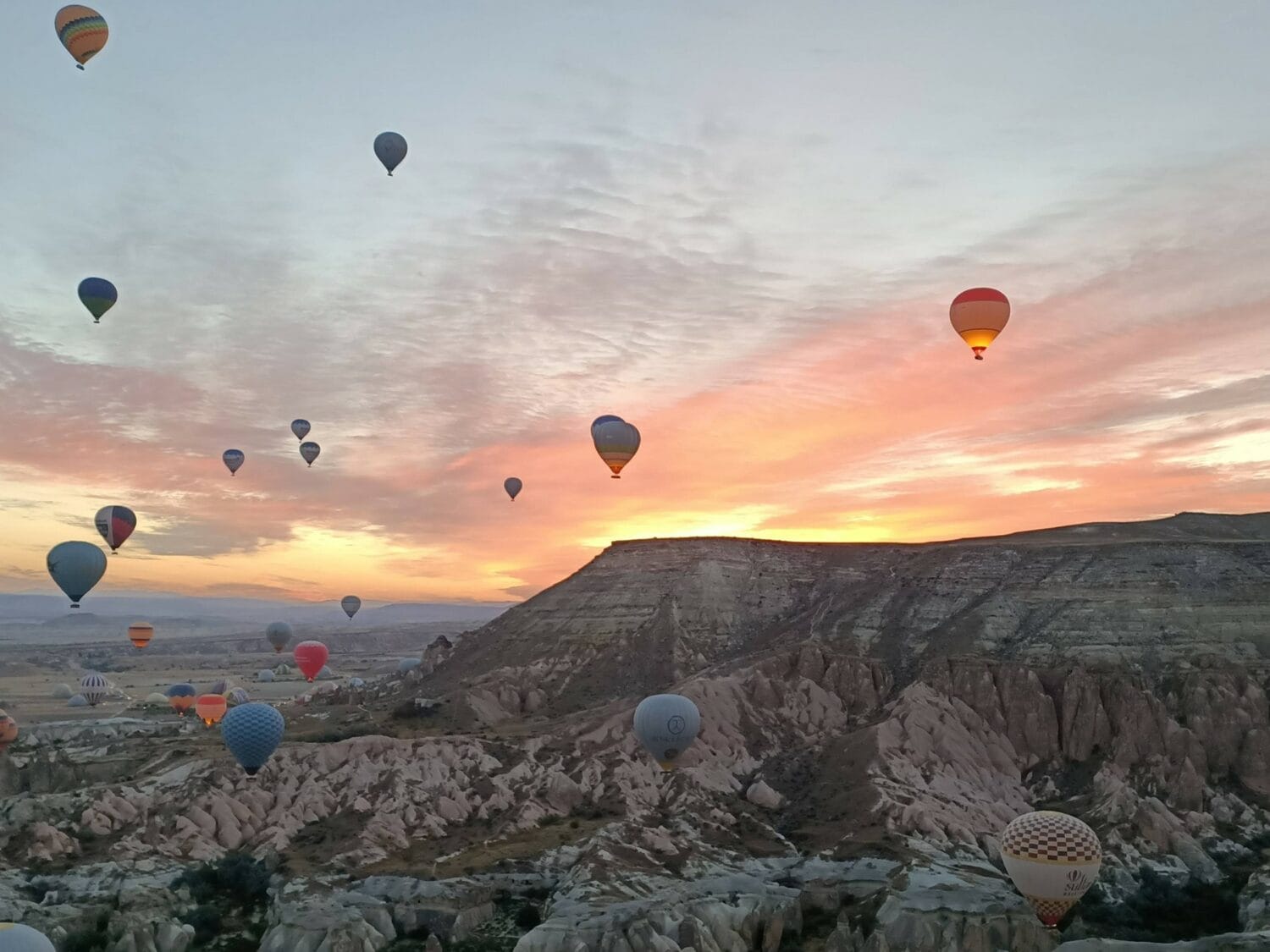
Göreme National Park & Cappadocia’s Rock Sites, Turkey
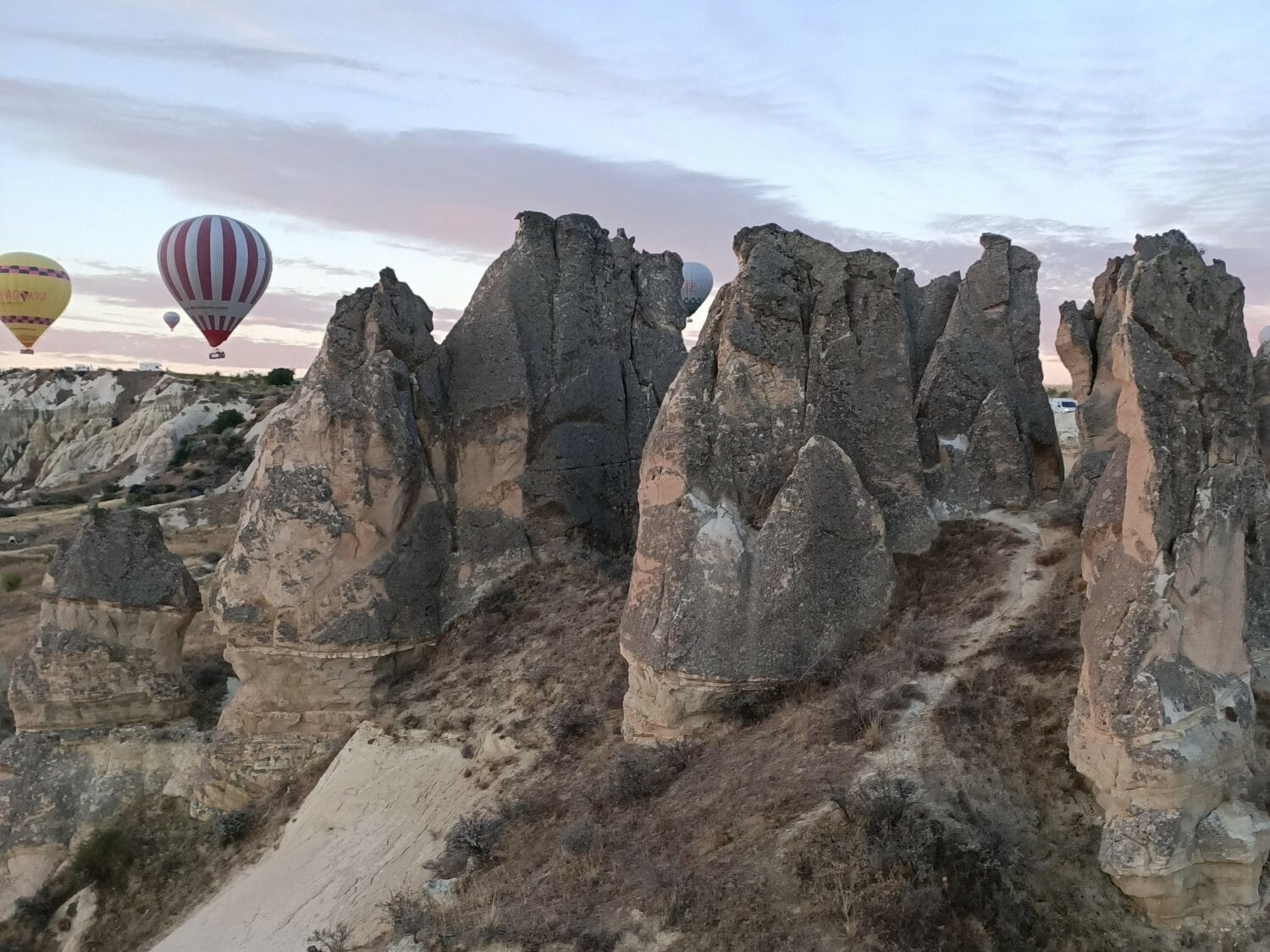
Cappadocia’s surreal landscape is already legendary, but nothing compares to seeing it from above at sunrise. My most amazing memory here was our hot air balloon ride. The day began well before dawn, with a gentle excitement in the air as we waited for the Turkish meteorology department to give the all-clear. Just before sunrise, we climbed into our balloon basket, the roar of the flame lifting us gently skyward. Over a hundred balloons began to rise at timed intervals, each perfectly choreographed to float in harmony without ever crossing paths.
As the sun crested the horizon, we drifted silently over a landscape that felt like another world—soft volcanic tuff, fairy chimneys, and eroded hills that once sheltered entire underground cities. Floating above such history and beauty, I felt both awestruck and peacefully connected to the land below. It’s a memory that still feels almost dreamlike, and it’s a moment I’d wish for anyone seeking wonder.
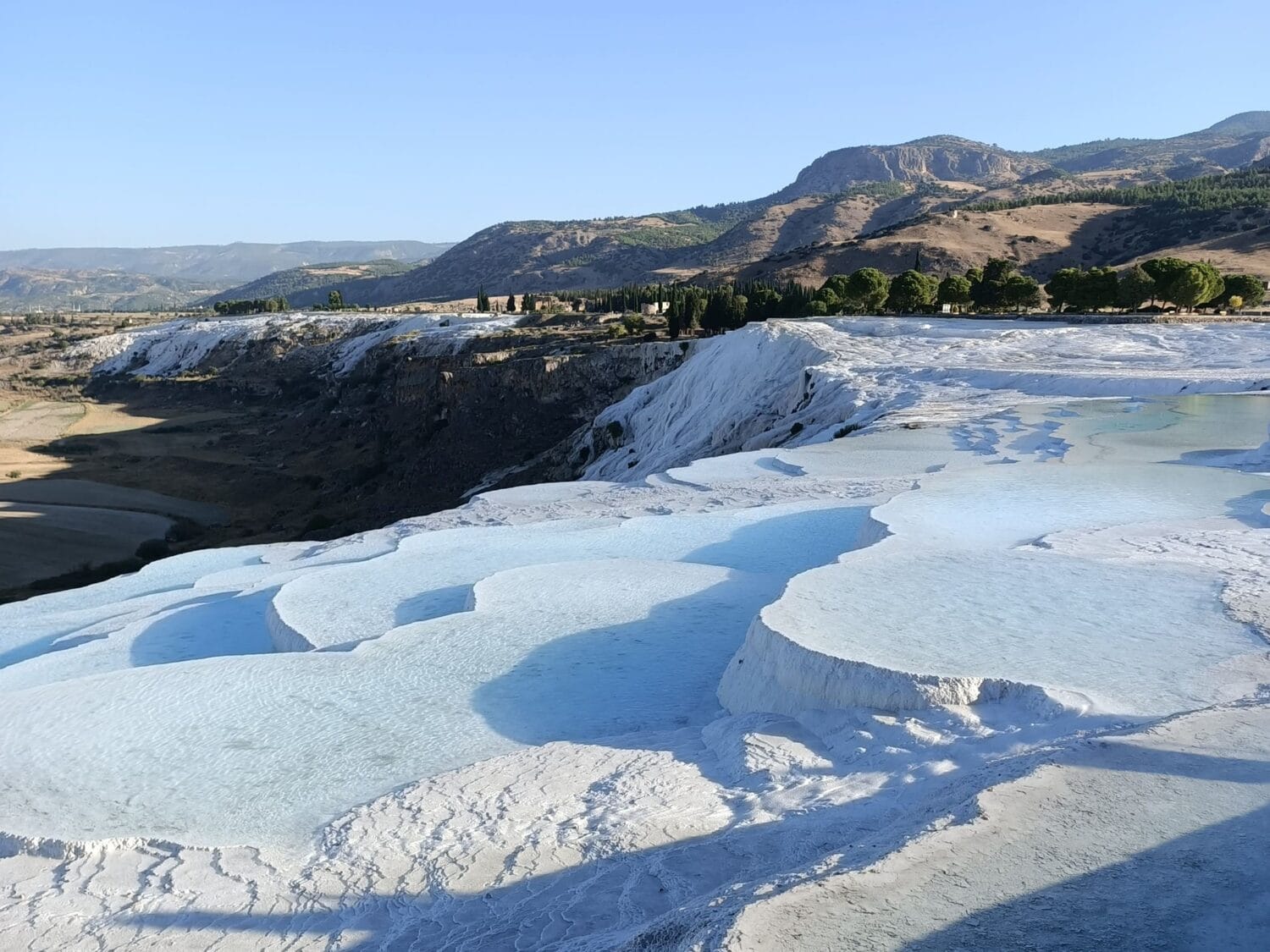
Hierapolis & Pamukkale, Turkey
Pamukkale is a place where nature and history quietly converge—and where preparation makes all the difference. This site is expansive and mostly exposed, so a hat and sun protection are essentials to help you feel comfortable as you explore. From the edge of the hills, you can watch mineral-rich waters trickle down in milky ribbons, feeding the famous travertine pools below. It’s worth knowing that, these days, the water flow is carefully controlled to help the pools recover, so finding the right spot to observe takes a little wandering and patience. But when you do, the soft terraces invite you to slow down and simply take it all in.
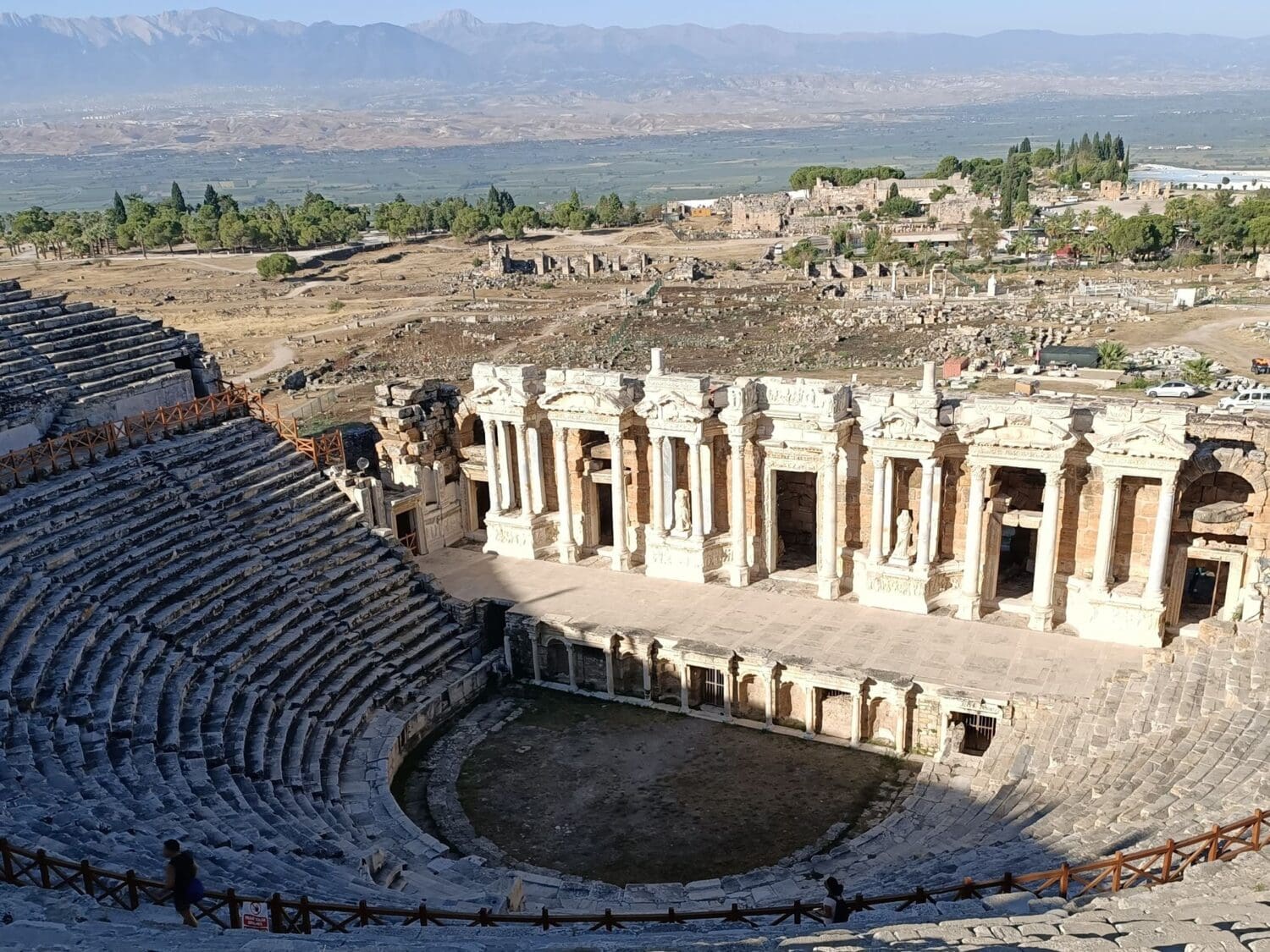
Hierapolis, the ancient city that crowns the site, deserves just as much attention. The climb up to the amphitheatre might get your heart pumping, but the reward is more than worth it—the uninterrupted view across the countryside is captivating, a quiet reminder of how long people have been drawn to this place of healing and beauty. Standing there, with the wind on your face and the landscape unfolding around you, it’s easy to feel both humbled and deeply connected to travellers across centuries.
Dubrovnik Old City, Croatia
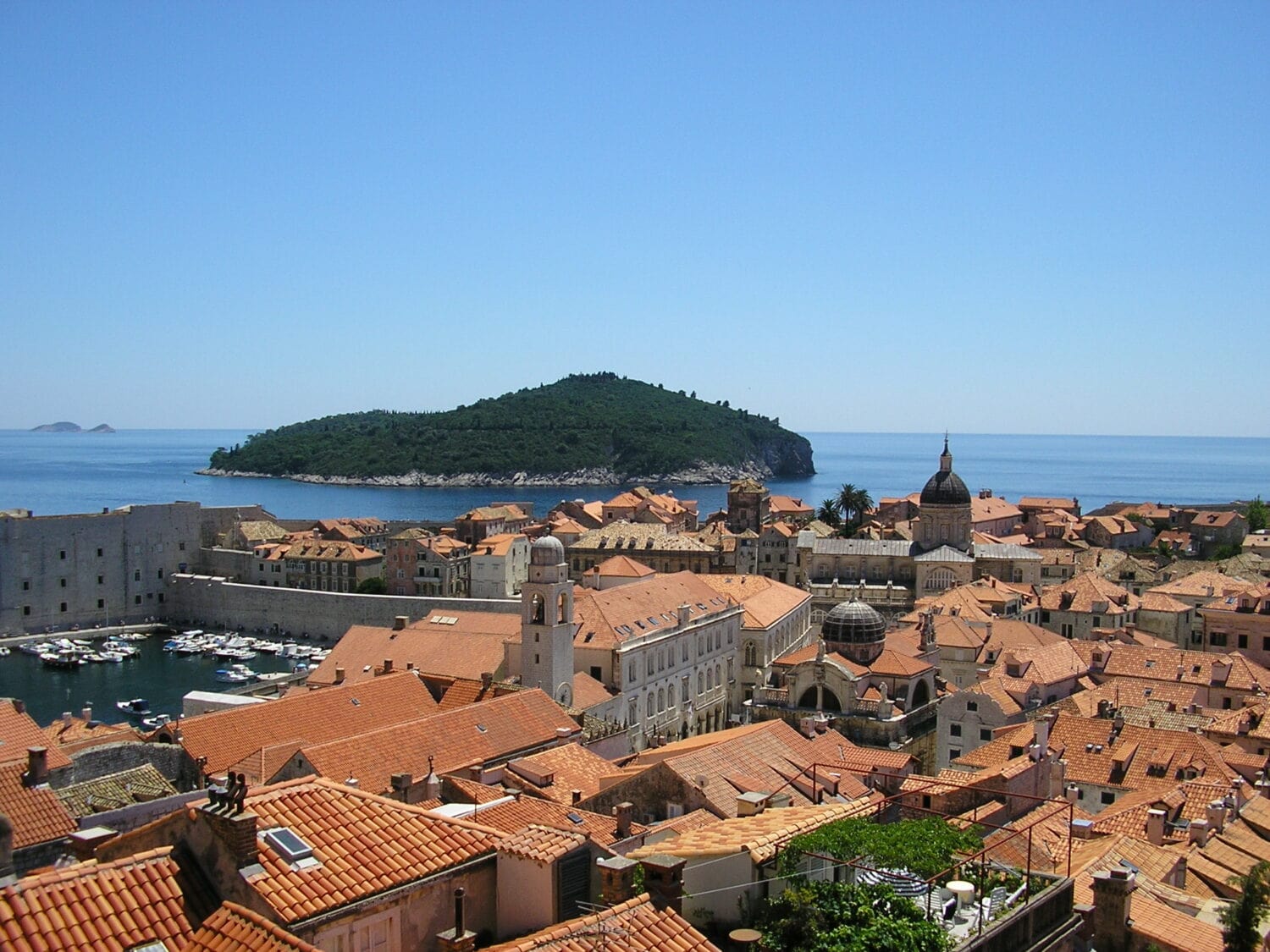
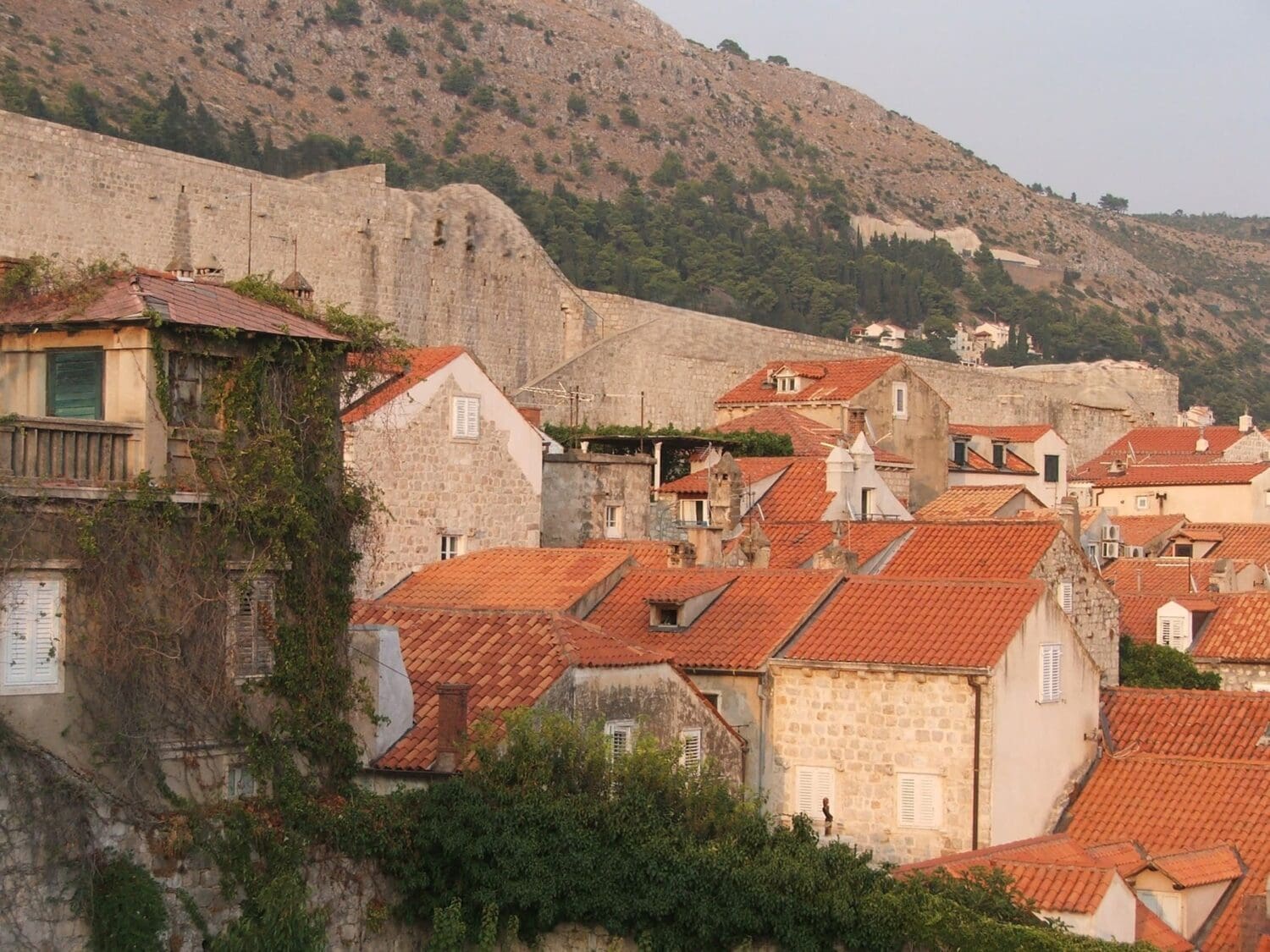
Dubrovnik’s Old Town is the kind of place that finds a permanent spot in your heart. Its famous walls, built between the 13th and 17th centuries, once protected the city from invaders like the Venetians. Today, those same ramparts invite you to walk their length, encircling the entire Old Town. With each step, you’re treated to panoramic views—over rows of terracotta rooftops, across bustling laneways, and out to the endless shimmer of the Adriatic Sea.
One of my favourite moments here was simply sitting at a bar near the Pile Gate, looking across to the imposing Fort Lovrijenac. There is something quietly powerful about pausing in that spot—reflecting on Dubrovnik’s poignant and inspiring history, and letting the warm sea breeze and timeless scenery soak in. It’s a place where you can feel connected to centuries of resilience and beauty, and where every moment feels both peaceful and profound.
The Acropolis, Athens
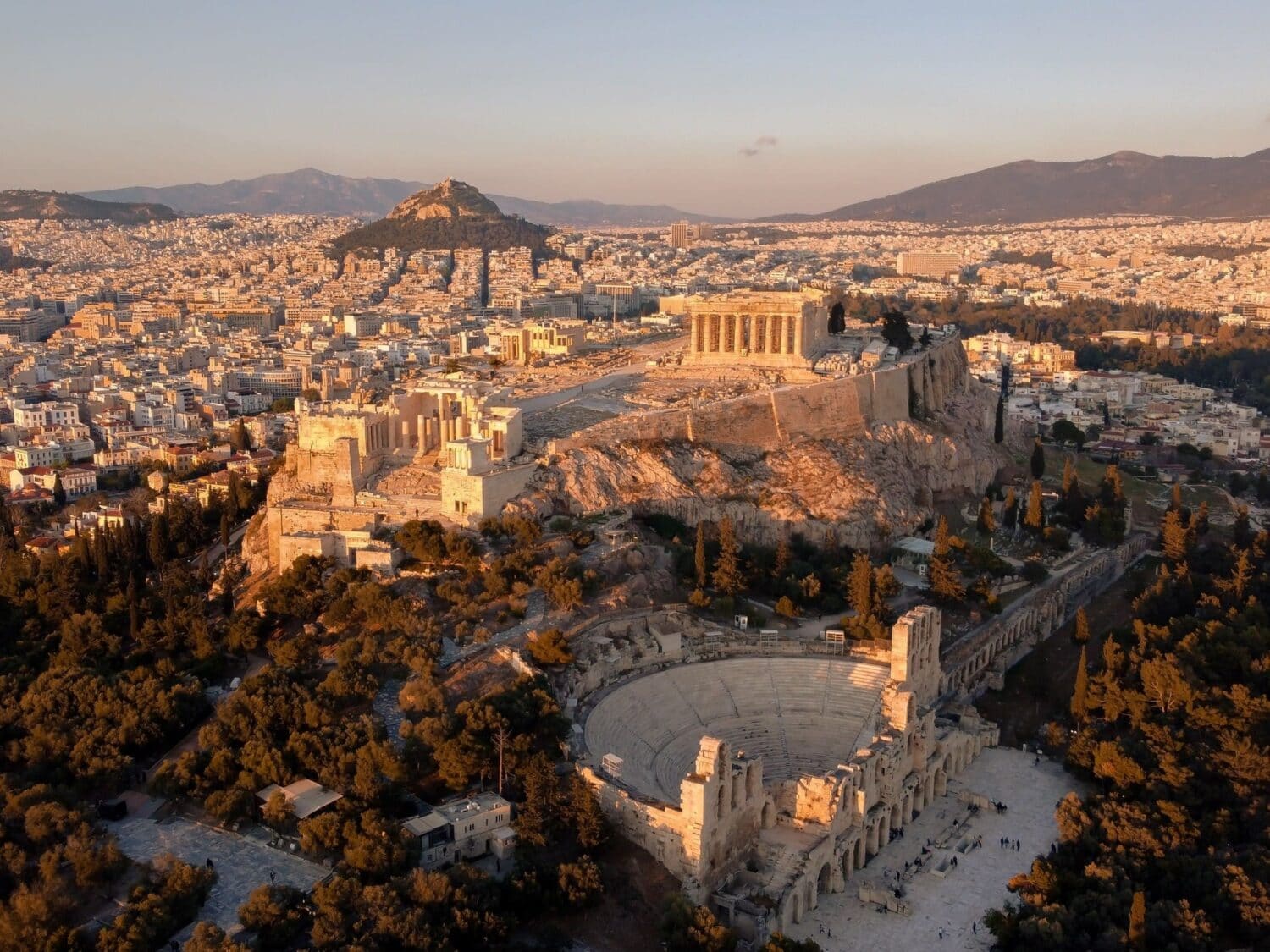
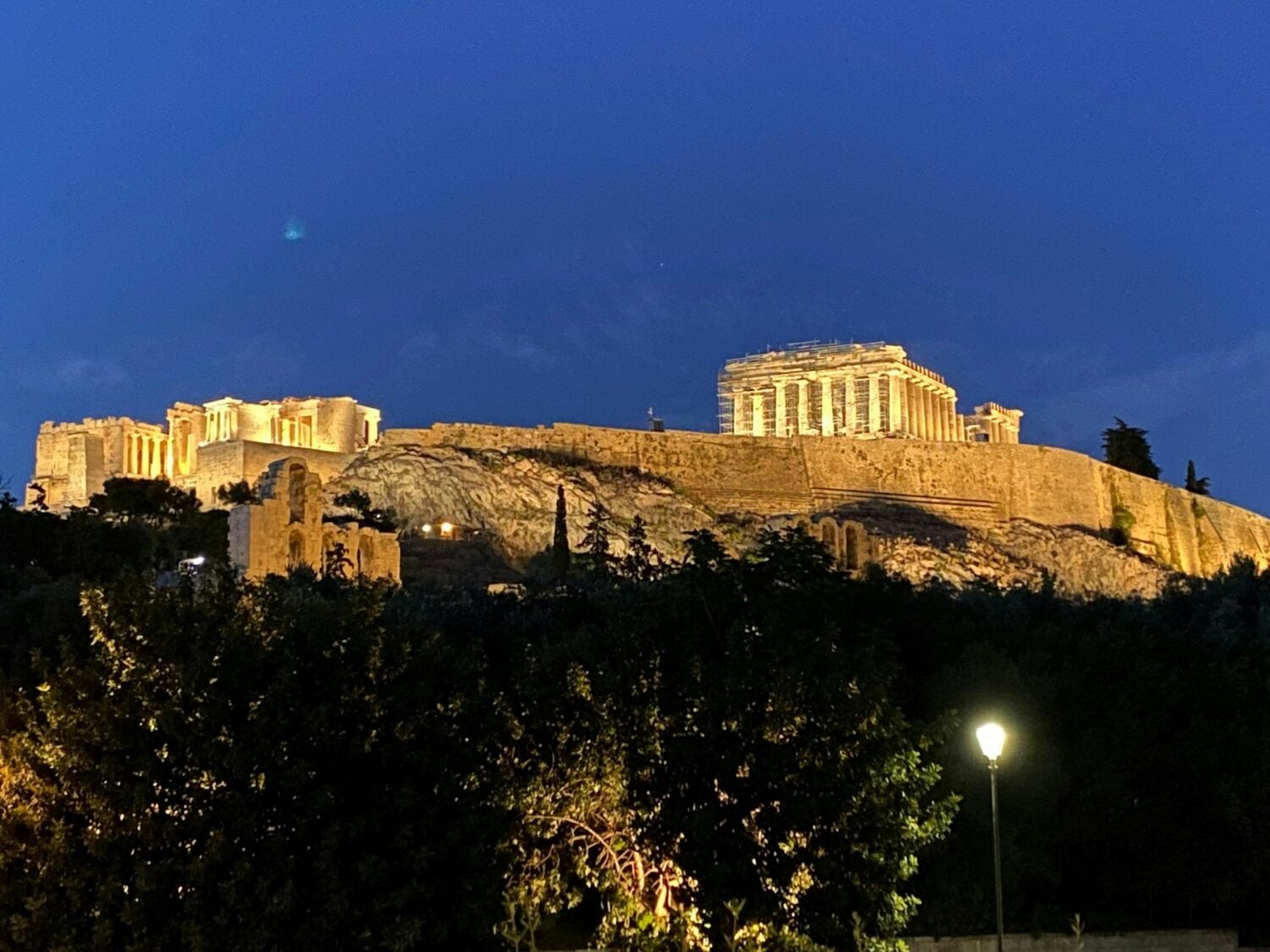
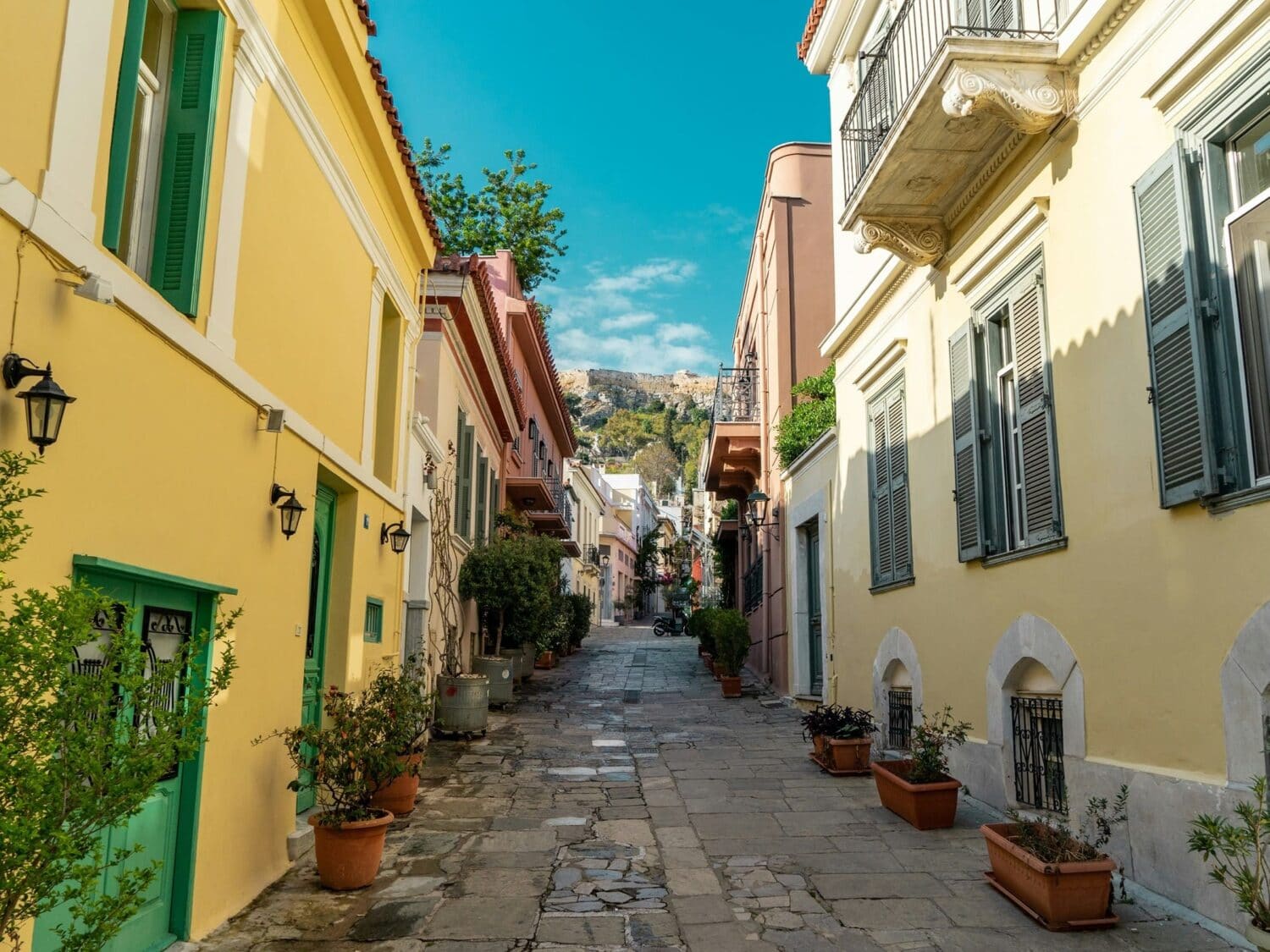
My first glimpse of the Acropolis was from a little café in Plaka. With a glass of wine in hand and a bowl of local olives on the table, I looked up at the ancient citadel rising above the city, its timeless energy quietly inspiring. There was something grounding about that moment—watching modern Athens bustle below while the Parthenon stood watch, eternal and serene.
The next day, I followed winding paths up to the Parthenon itself. Having an audio guide gave me the freedom to pause and truly absorb the site’s history. I lingered at the stonework, tracing the ancient craftsmanship with my eyes and marvelling at how these monumental buildings were constructed by hand. Walking the Acropolis, surrounded by echoes of philosophers, artists, and everyday people, I felt a deep sense of connection—not just to the past, but to everyone who has ever stood in awe of these stones.
Vatican City
Visiting the Vatican was one of those rare experiences where history, art, and spirituality come together in a way that feels both humbling and uplifting. That morning, my friends and I paused for coffee at a little café just outside the walls—a moment to savour anticipation and the energy of the city before stepping inside.
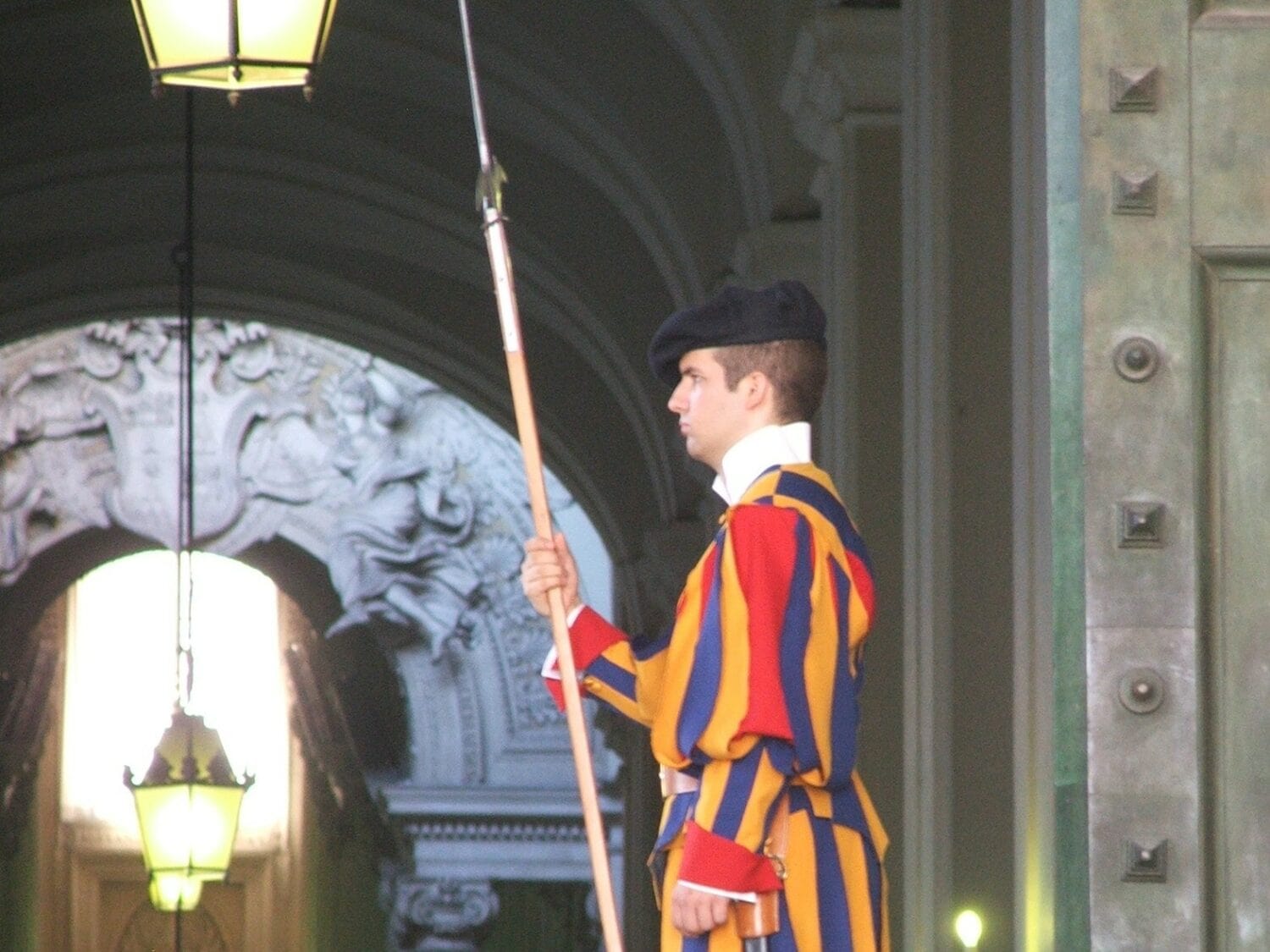
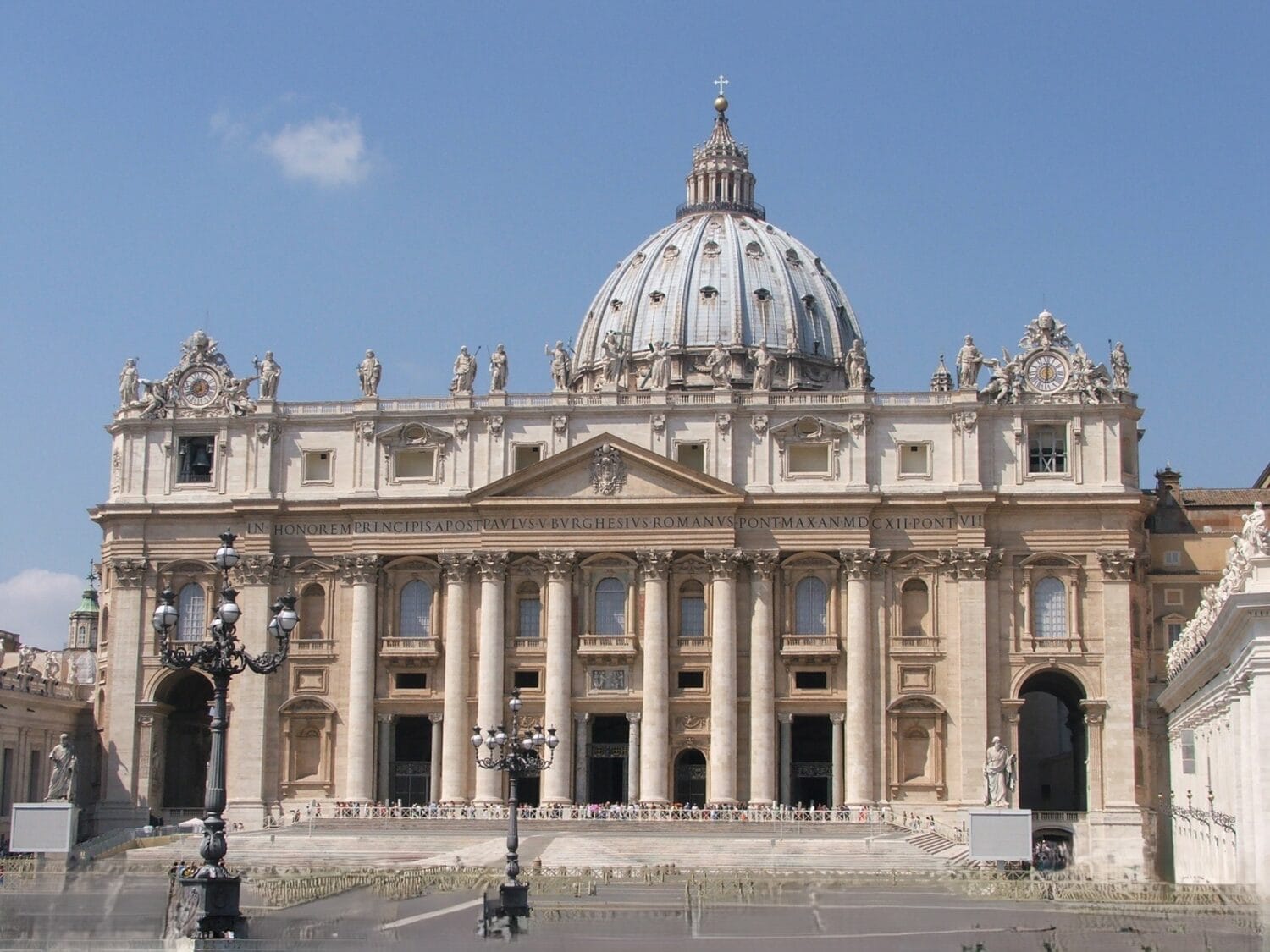
Walking into St Peter’s Square, I was immediately taken aback by its sheer scale—a vast, open embrace that made me wonder how many thousands had gathered there through the centuries. To anyone considering a visit, I can’t recommend an audio guide highly enough. It gives you the freedom to pause, absorb, and connect with the stories behind every detail: the colourful uniforms and storied history of the Pontifical Swiss Guard, the astonishing painted frescoes of the Sistine Chapel ceiling, and the countless statues and masterpieces that fill St Peter’s Basilica.
Taking your time here—standing beneath Michelangelo’s art, gazing up at the soaring dome, listening to the layers of history—offers a quiet sense of wonder and reverence. It’s a place that invites reflection, connection, and a renewed appreciation for the beauty created by human hands and hearts through the ages.
Practical Tips for Planning Your UNESCO Adventure
Start early or linger late: The quietest hours reveal the most atmosphere and connection.
Seek the ordinary: Sit in a café, watch life unfold, and let everyday moments shape your memories.
Listen with curiosity: Local guides and storytellers add meaning to every detail.
Make space for wandering: Let yourself get a little lost — some of the best stories start that way.
Planning Your Next Steps
As you start dreaming about your next journey, let these UNESCO World Heritage sites spark your curiosity and sense of wonder. While the places I’ve shared above hold a special place in my heart, they’re just the beginning. Across Europe and the UK, there are hundreds more sites, each with its own story, beauty, and cultural significance. Whether you’re drawn to medieval towns, natural wonders, or ancient ruins, there’s always something new to discover. I encourage you to follow your interests, take your time, and allow yourself to be surprised by the richness and diversity of Europe’s heritage. Every site is an invitation to connect with history, local communities, and your own spirit of adventure. So explore widely and make your own unforgettable memories along the way.


Meet Your Europe Travel Expert, Philip
Awarded 2024 Outstanding Europe Destination Expert (QLD), I draw on my personal travel experiences across Europe to design seamless, tailor-made journeys for discerning Australian travellers. Read More

Frequently Asked Questions
What qualifies a site as UNESCO World Heritage?
UNESCO recognises sites of outstanding cultural, historical, or natural value. These places tell the story of humanity and nature together.
Are these sites suitable for mature travellers?
Yes, though some may have uneven paths or stairs; take your time and prioritise comfort.
How can I avoid crowds at popular UNESCO sites?
Visit outside peak hours, travel in shoulder seasons, and explore nearby towns.
Should I include the UK in my UNESCO itinerary?
Absolutely. The UK and England offer a wealth of sites from ancient monuments to awe-inspiring landscapes that will enrich any European adventure.
Is there more to these sites than sightseeing?
Each site offers opportunities for authentic connection whether through food, conversation, art, or simply being present.
Share this on Social Media